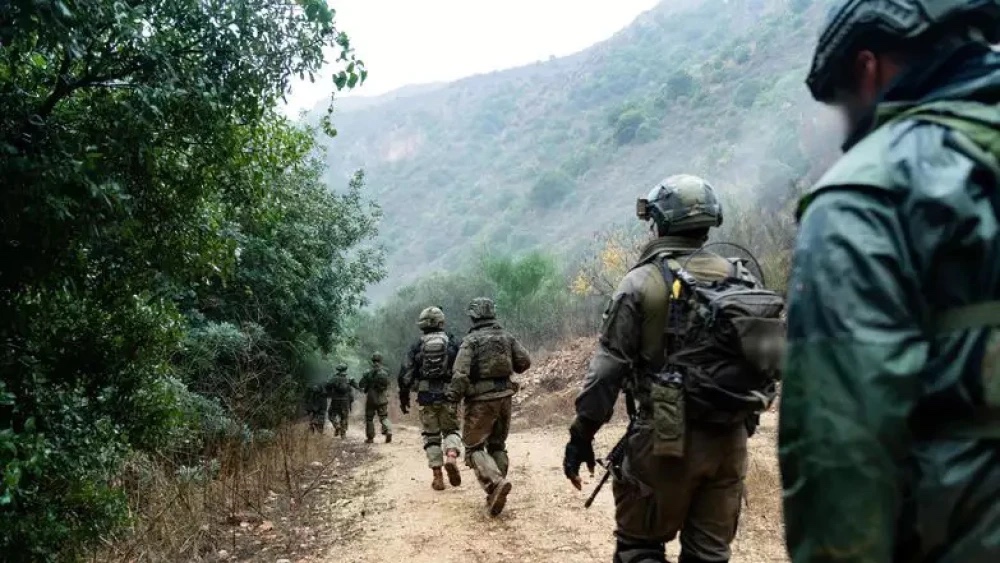

Israel will honor the newly announced ceasefire in Lebanon so long as Hezbollah does the same, Israeli Foreign Minister Gideon Sa’ar said Monday, while making clear that Jerusalem has no intention of withdrawing from the security zone it currently holds in Southern Lebanon.
Speaking after a phone call with New Zealand Foreign Minister Winston Peters, Sa’ar said Israel does not seek Lebanese territory, but will not remove its forces in a way that would leave northern Israeli communities exposed to renewed Hezbollah attacks.
“We don’t have territorial ambitions in Lebanon,” Sa’ar wrote on X, “but we will not withdraw from the security zone and expose our citizens to Hezbollah’s attacks and possible invasion.”
The remarks came as Israeli officials sought to draw a distinction between accepting a ceasefire and accepting the military conditions that existed before the latest escalation. Jerusalem’s position is that a halt in fire cannot become a mechanism for Hezbollah to regroup along the border.
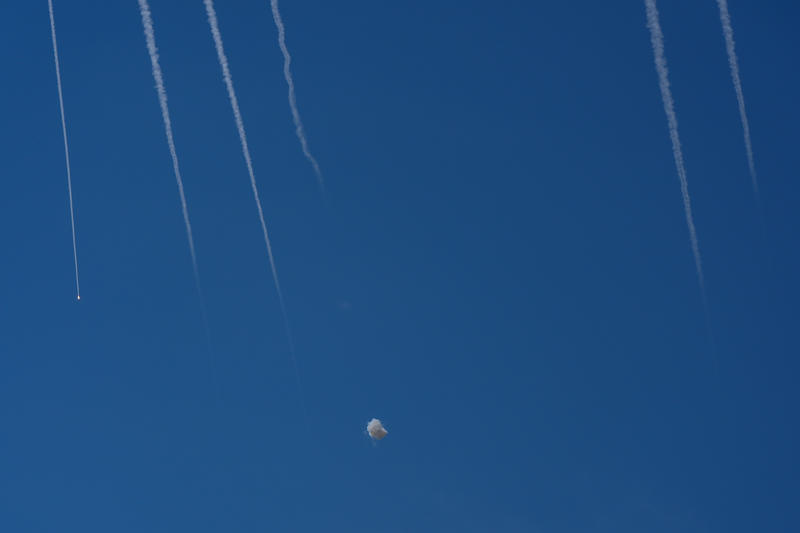
Interceptors fired by Israel’s Iron Dome air defense system streak across the sky as they intercept incoming projectiles from Lebanon, June 01, 2026. Photo by Ayal Margolin/FLASH90
Defense Minister Israel Katz reinforced that message Sunday, saying Israel would not leave the Beaufort Ridge, a strategic position in Southern Lebanon retaken by Israeli forces in May during an expanded ground operation against Hezbollah.
“Israel has no intention of withdrawing from the Beaufort,” Katz wrote, describing the site as “essential for the defense of the Galilee communities and IDF forces.”
Prime Minister Benjamin Netanyahu echoed that position at the JNS Policy Summit in Jerusalem, saying Israeli troops would remain in Southern Lebanon for as long as necessary to protect Israeli civilians from Hezbollah, Iran’s chief proxy on Israel’s northern border.
The IDF Home Front Command lifted all remaining restrictions on northern communities Monday morning after a situational assessment. Areas along the Confrontation Line and several Upper Galilee communities returned to full activity as of 6 a.m., following days of heightened alert caused by renewed clashes.
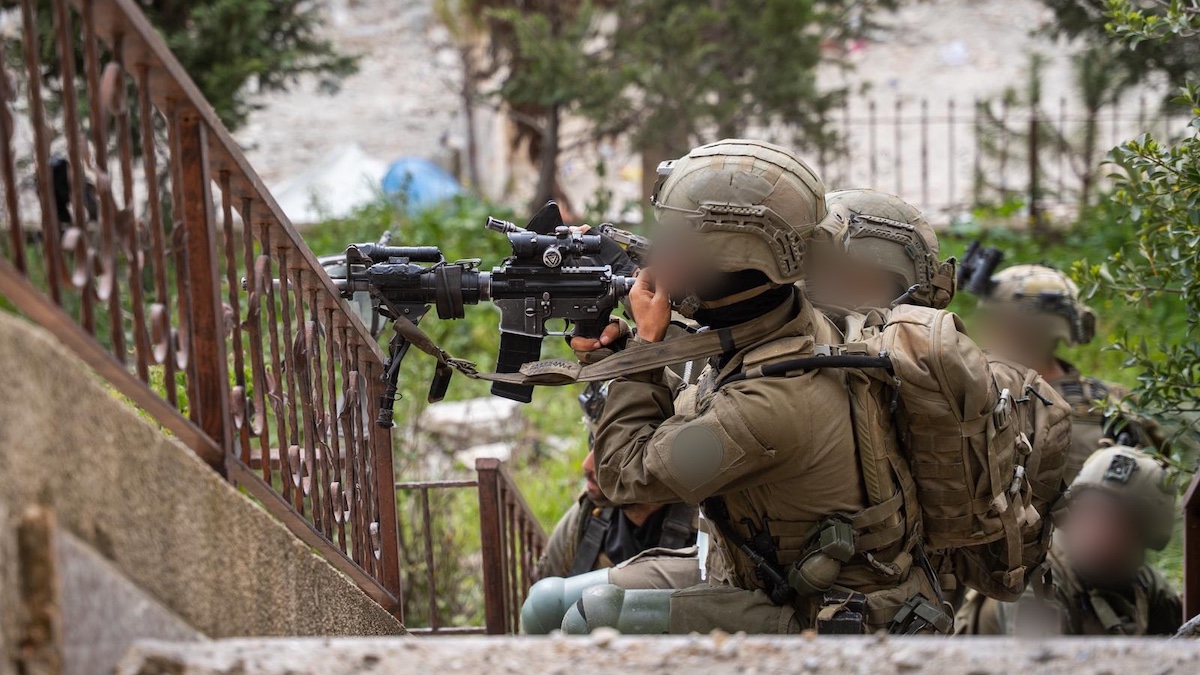
The ceasefire follows a deadly weekend flare-up in which five Israeli soldiers were killed in fighting with Hezbollah. The IDF responded with extensive airstrikes against Hezbollah operatives and military infrastructure across Southern Lebanon.
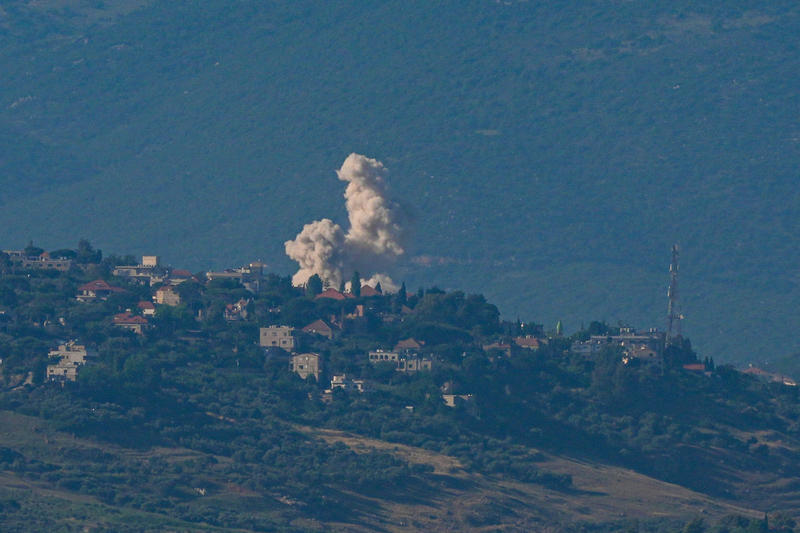
Smoke rises from southern Lebanon during an Israeli military operation. Photo by Ayal Margolin/Flash90
The Lebanon arrangement is tied to a broader US-Iran memorandum signed June 17, which calls for a 60-day halt in hostilities and includes a clause addressing Lebanon. While the agreement refers to Lebanon’s territorial integrity, Israel says Hezbollah’s military entrenchment has already violated that principle for decades.
Sa’ar said Iran’s use of Hezbollah has amounted to an indirect occupation of Lebanon, adding that dismantling Hezbollah’s “terror state” is in the interest of both Lebanon and Israel.
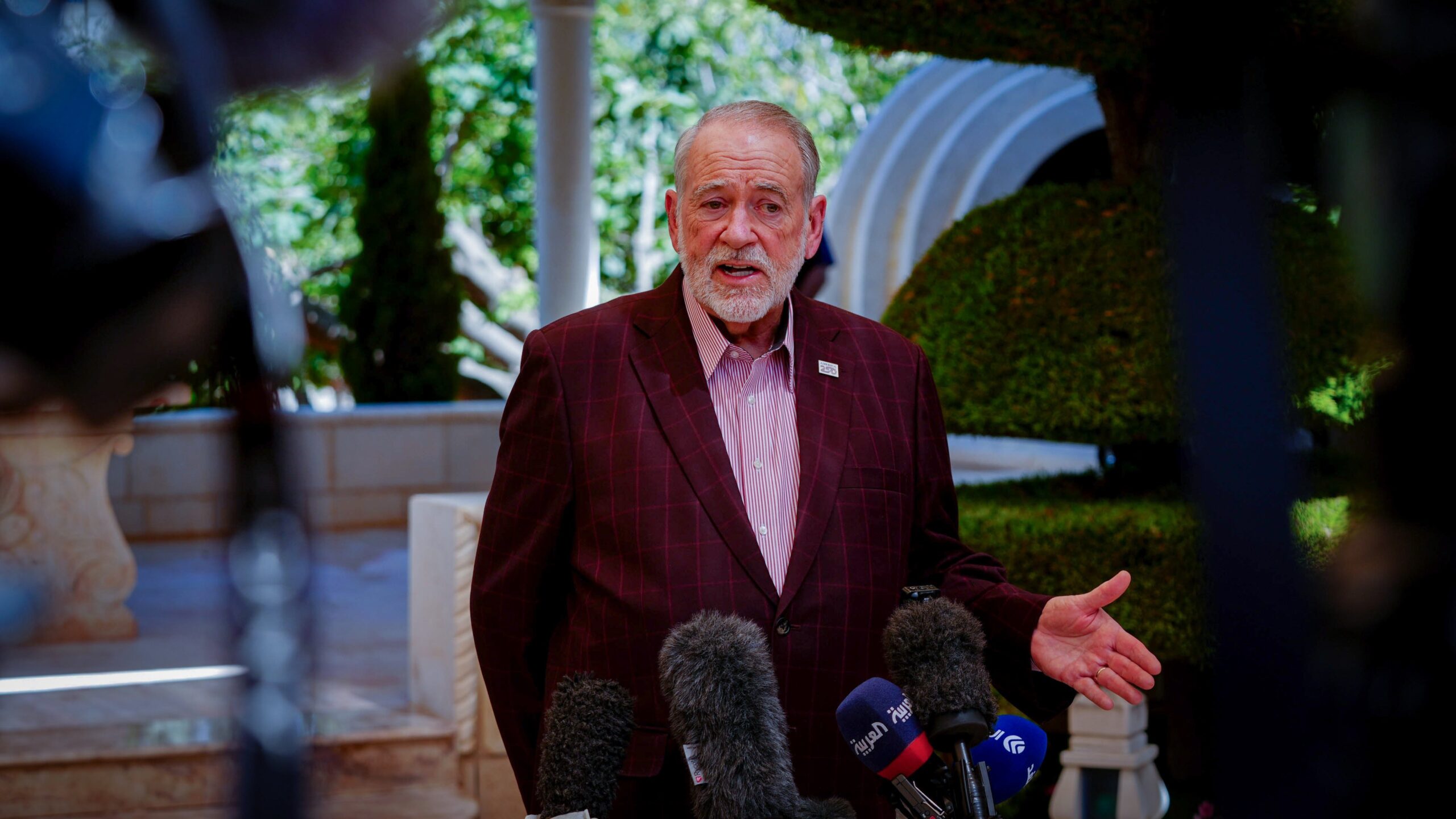
The United States has also increased pressure on Tehran. President Donald Trump warned Iran on Sunday to restrain its proxies in Lebanon or face further American strikes. US Ambassador to Israel Mike Huckabee called Hezbollah a “common enemy of Lebanon & Israel,” accusing the group of embedding weapons and launch sites in civilian areas.
For Israel, the message is straightforward: the ceasefire may stop the shooting, but it will not erase the threat. Jerusalem will respect calm—but not at the price of inviting Hezbollah back to the border.
Want more news from Israel?
Click Here to sign up for our FREE daily email updates