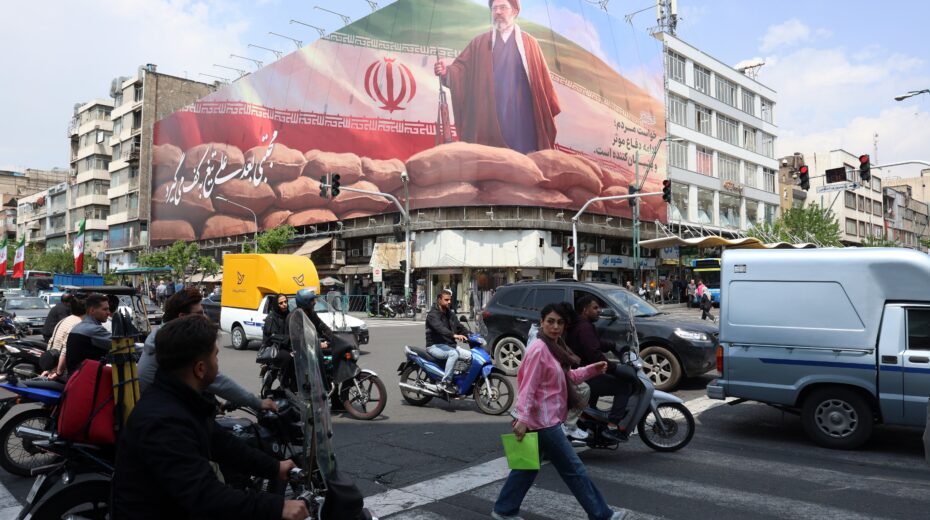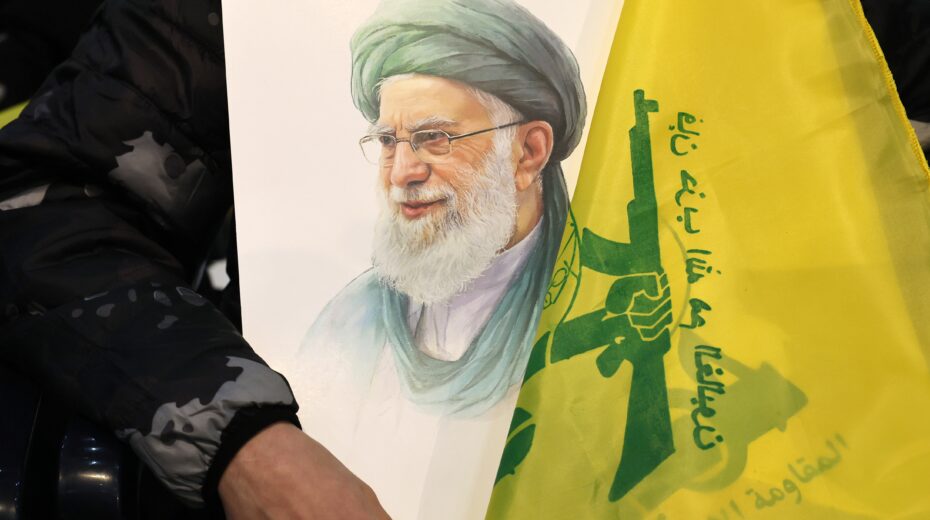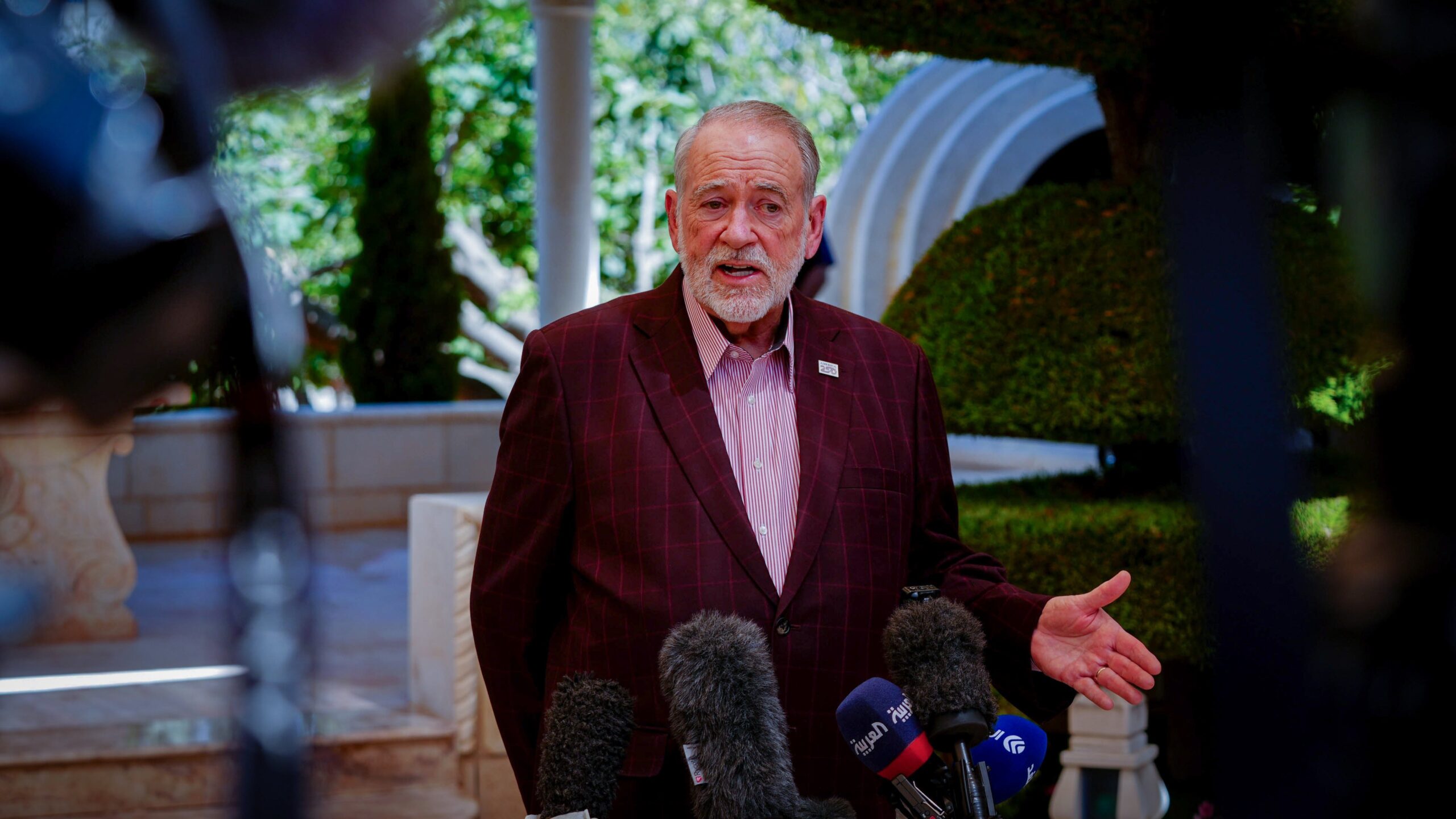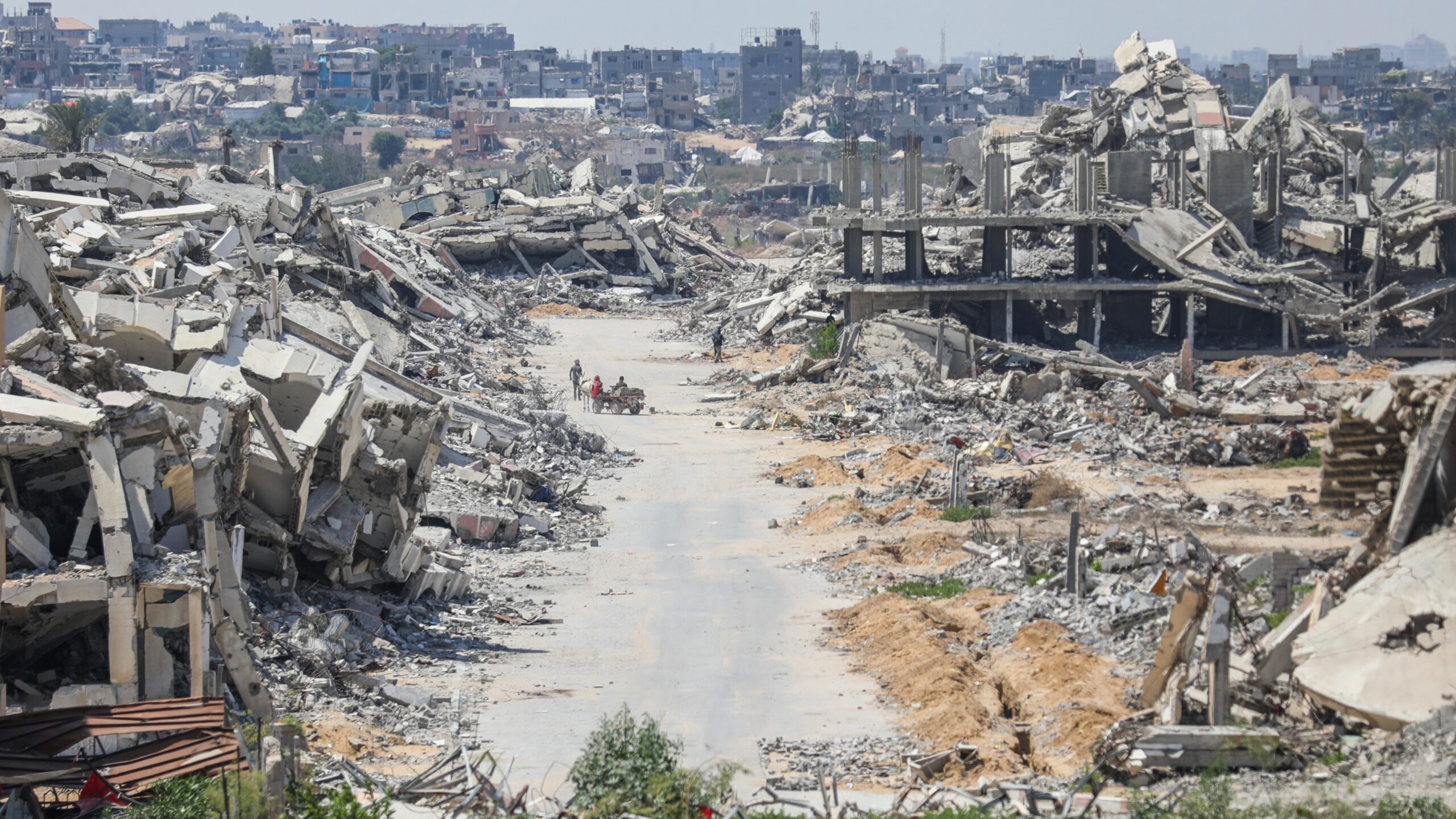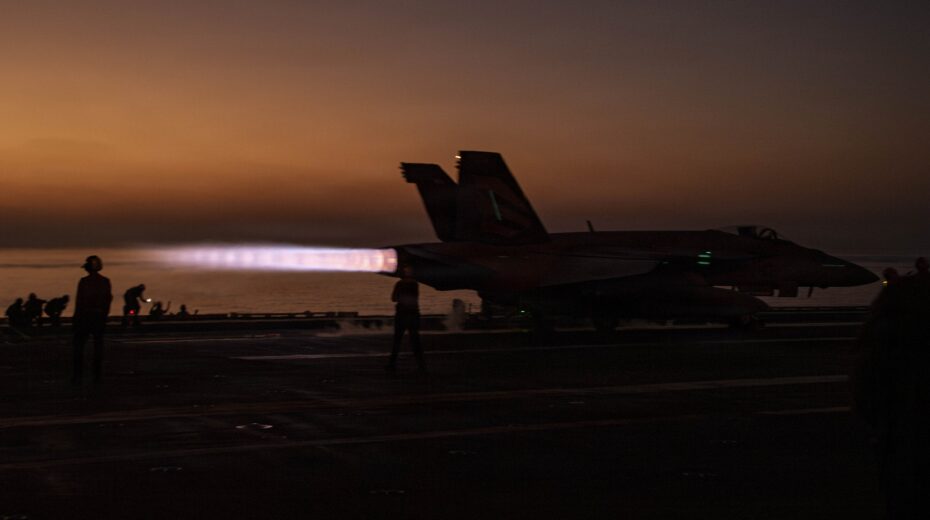

The United States launched another series of strikes on Iranian military targets overnight into Sunday. According to US Central Command (CENTCOM), 140 military targets were hit. This was the third wave of American attacks against Iran within a week.
According to the US military, the incident was triggered by an attack by the Iranian Revolutionary Guard on the Cypriot-flagged container ship GFS Galaxy in the Strait of Hormuz. The ship suffered severe damage to its engine room, caught fire, and was unable to continue its voyage. One civilian crew member is missing.
At 7:15 p.m. ET today, U.S. Central Command forces began launching the third round of strikes this week against Iran after Islamic Revolutionary Guard Corps forces blatantly attacked M/V GFS Galaxy, a Cyprus-flagged container ship transiting the Strait of Hormuz. A civilian crew…
— U.S. Central Command (@CENTCOM) July 11, 2026
According to US sources, the latest attacks targeted missile and drone sites as well as other military installations. The aim of the operation is to limit Iran’s ability to attack civilian sailors and merchant ships in the Strait of Hormuz .
US Defense Secretary Pete Hegseth made it clear that Washington views the attacks as a direct response to Iran’s actions.
U.S. Central Command (CENTCOM) announced it has completed a third round of strikes this week against Iranian military targets in response to another attack on a commercial vessel in the Strait of Hormuz.
According to CENTCOM, approximately 140 military targets were struck during… pic.twitter.com/qyqOhYttD7
— OSINTdefender (@sentdefender) July 12, 2026
The latest attacks follow the American airstrikes of recent days. Previously, the United States had attacked approximately 90 Iranian military targets after US President Donald Trump declared the ceasefire between the two countries over and described further negotiations as a “waste of time.” With these attacks, Washington is continuing its military course toward Tehran.
The Iranian Revolutionary Guard Corps, meanwhile, declared that the Strait of Hormuz was closed until further notice. However, there has been no independent confirmation of a complete closure of the strait. According to the United States, passage for international merchant ships remains possible, albeit under significantly tightened security conditions.
The recent American airstrikes were followed by Iranian missile and drone attacks on several Gulf states. Bahrain, Kuwait, Qatar, and the United Arab Emirates, where American troops and significant US military bases are stationed, were affected.
In the United Arab Emirates, air defenses were activated against incoming missiles and drones. Warning sirens sounded in Bahrain, home to the US Fifth Fleet. Kuwait also reported interception measures. Explosions were reported in Qatar, and security alerts were issued to the population. No complete information was initially available regarding casualties or major damage.
The attacks on the Gulf states are not the first since the start of the latest confrontation. Following previous waves of American attacks, Iran had already targeted locations in Bahrain, Kuwait, and Qatar. The latest attacks demonstrate that Tehran is continuing to expand its military response to include American military bases and interests throughout the Gulf region.
In Jerusalem, the situation is being closely monitored. The attacks on American military bases in the Gulf region are seen as a further escalation of the confrontation between Washington and Tehran. At the same time, the repeated American attacks underscore Washington’s determination to safeguard the freedom of international shipping in the Strait of Hormuz, even by military means.
The mutual attacks continue the escalation between the United States and Iran. Whether the latest developments will lead to further military expansion or a return to the negotiating table remains to be seen.
Want more news from Israel?
Click Here to sign up for our FREE daily email updates