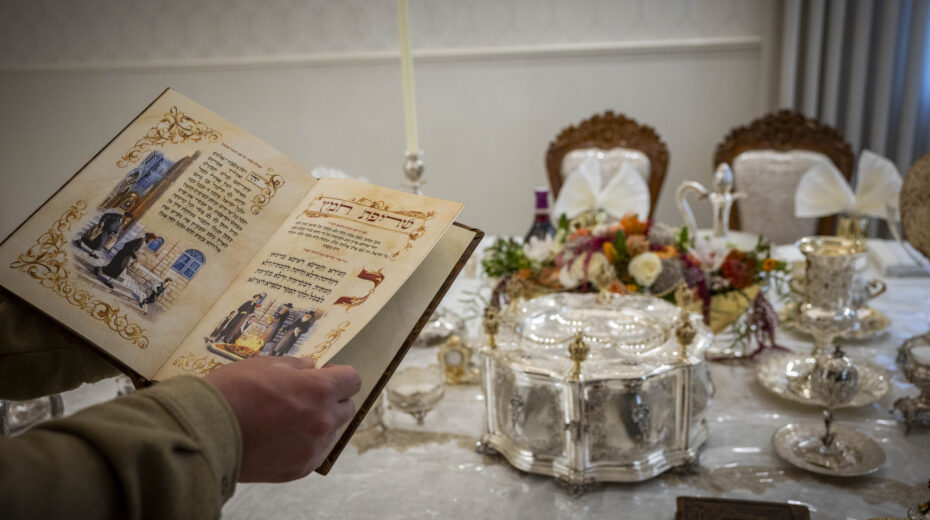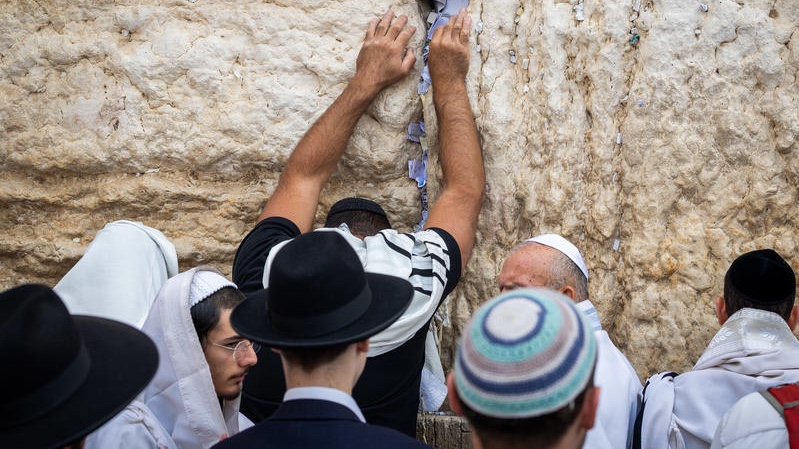

The Greek, as opposed to Hebraic, thinking affecting the early church was like adding poison into the bloodstream of Christian teaching, a new book claims.
Such Hellenism is diametrically opposed to Christianity in many ways and requires the recovery of a Hebraic understanding of the Scriptures to reverse this process, writes Bible teacher Paul Luckraft.
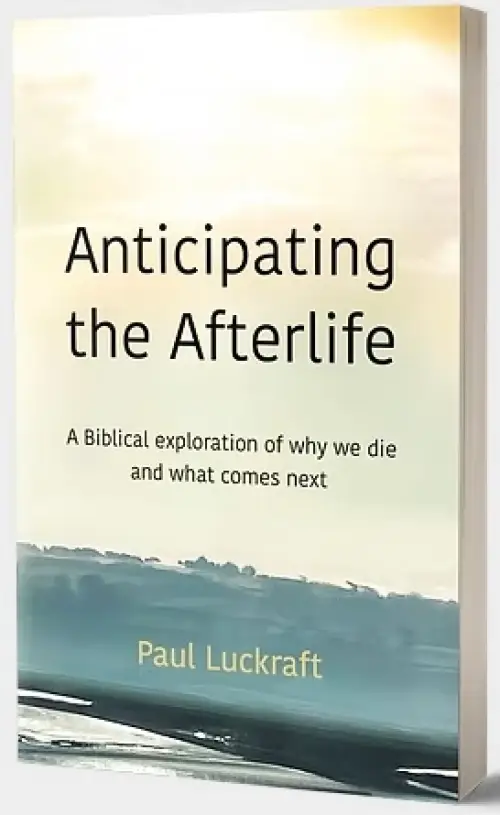
A new book urges Christians to recalibrate from Greek to Hebraic thinking.
In Anticipating the Afterlife (Malcolm Down Publishing), a thought-provoking and thorough perspective on the subject, the author tackles a whole range of issues which he measures against the ultimate plumbline of God’s Word.
As a disciple of more than 50 years, I found it particularly illuminating, positive and helpful, despite being focused on a discussion few people seem happy to talk about.
I discovered, for instance, that when Jesus referred to hell as Gehenna, he was comparing it to the Valley of Hinnom which became infamous as the site for child sacrifice during the reigns of Kings Ahaz and Manasseh. As such it was a grisly picture of what ultimately results from rebellion against God. And it makes sense of the chaos in today’s Britain where child sacrifice has plumbed new depths following further liberalisation of abortion.
Paul is very methodical and easy to follow, with touches of gentle humour lifting the spirits in his excellent bid to unpack much of what is generally misunderstood about heaven and hell, death and resurrection.
Little is preached on death and what happens when we die these days, which goes some way to explaining the vagueness about heaven in many minds. That we become disembodied spirits who go to heaven (if we have trusted in Jesus) is only part of the story. But there is so much more to it because, following this intermediate state, comes the resurrection of our bodies in a new heaven and earth!
As mentioned, the author blames the Greek thinking of some of the early Church Fathers for introducing the Platonic view (that the material is bad and the spiritual good) into Christian teaching whereas Hebraic thinking values both body and spirit.
And this is a good time to re-assert a fundamental doctrine of the New Testament – that of the bodily resurrection of all who have placed their hope in Christ. And I quote: “The resurrection of Jesus was as significant as the creation of the universe because it was the start of a new creation. Paul (the Apostle) refers to Christ’s resurrection as ‘first fruits’, based upon the Jewish feast which occurred three days after Passover.”
On the question of Judgment, he suggests that perhaps in our determination not to rock the Reformation boat, based on salvation by faith alone, we have neglected the many truths about rewards for our post-conversion service. “Our faith should be Hebraic, which means not just a creed we recite or something to which we intellectually assent, but something we act upon.”
Paul also addresses issues like purgatory, communicating with the dead and whether there is a ‘doggy heaven’. But in painting a better overall picture of what lies ahead for us all, we are challenged to invest our future and hope in Christ.
Charles Gardner is author of Israel the Chosen, available from Amazon; Peace in Jerusalem, available from olivepresspublisher.com; To the Jew First, A Nation Reborn, and King of the Jews, all available from Christian Publications International.