The Lebanese Shi’ite terrorist organization is being forced to choose between facing Israel alone and giving up its objectives. Meanwhile, distrust of America is deepening in the Gulf.
Conflict
International condemnation of US-Israel action reveals selective legal reasoning, political bias and a failure to confront Tehran’s ongoing violations and threats.
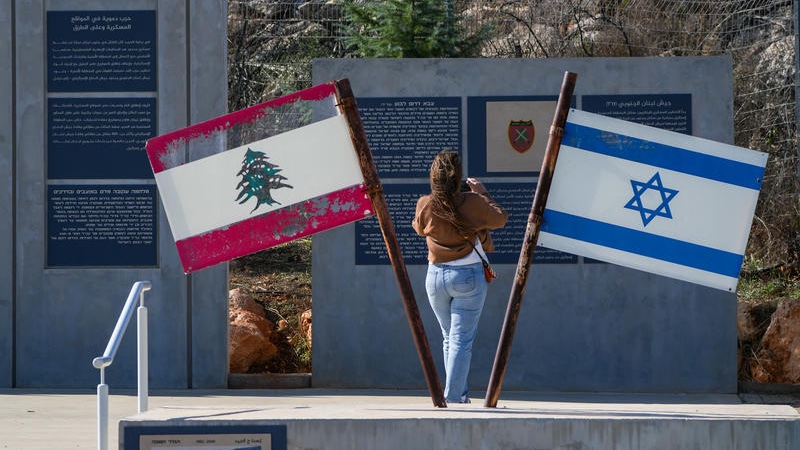
Netanyahu says direct negotiations with Lebanon will begin soon, even as Israel makes clear the Iran ceasefire does not shield Hezbollah from further strikes.
Members
Israel’s Lebanon quagmire
A familiar dilemma exists: to reoccupy Southern Lebanon, which might push Hezbollah north of the Litani River. But that doesn’t remove the terror group’s long-range capabilities or prevent its rebuilding.
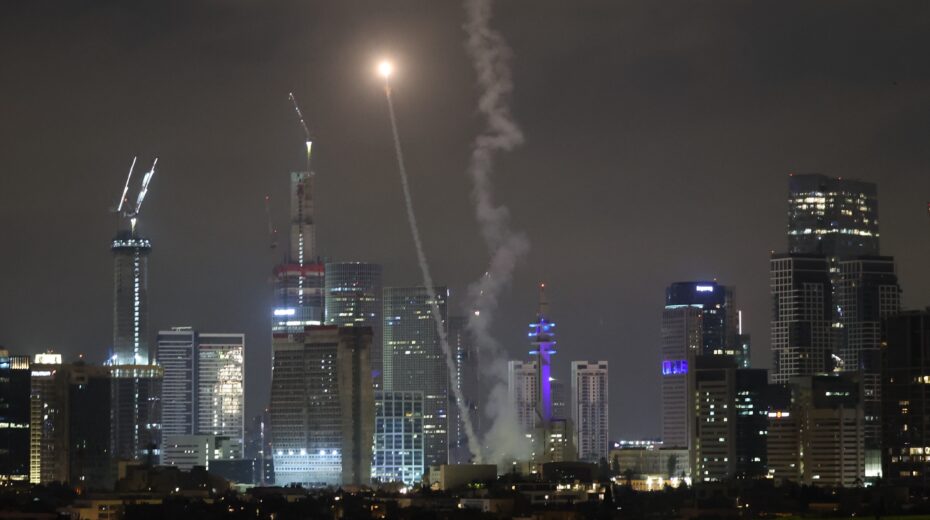
Why the ceasefire leaves more questions than answers and why Israel, despite military successes, remains strategically disappointed.
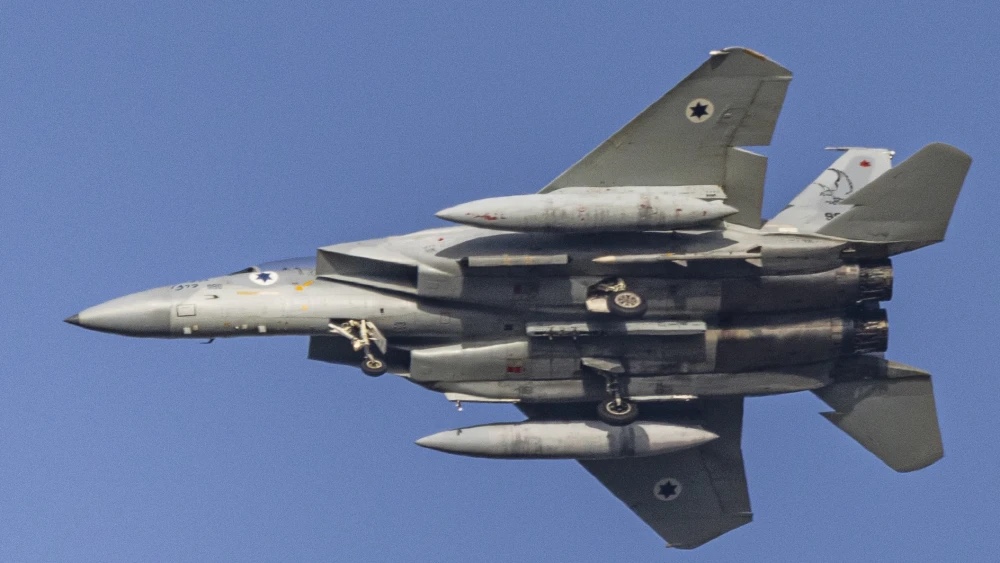
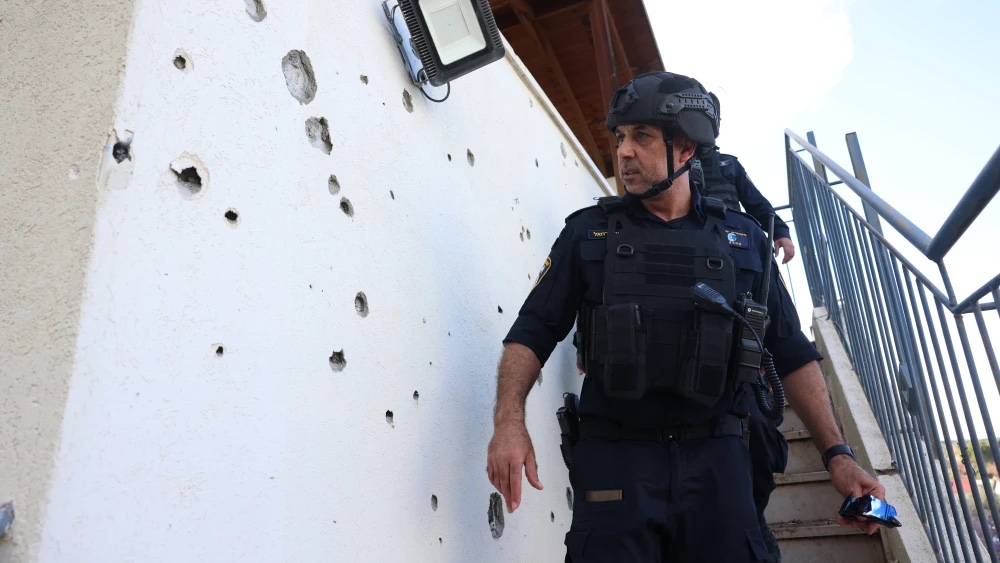
The Israeli military says about 100 terror targets hit across Lebanon in coordinated assault planned over weeks.
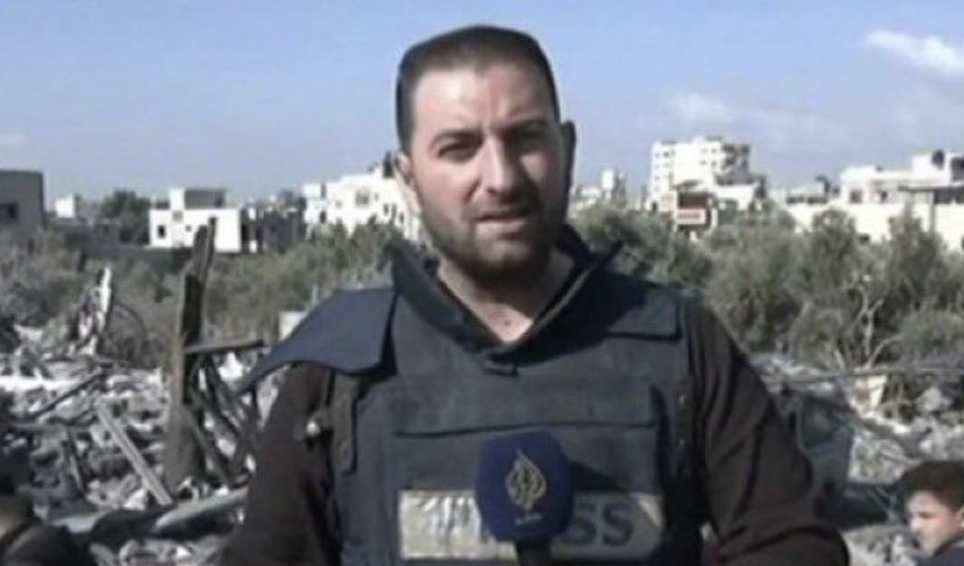
And it wasn’t much of a disguise, as Muhammad Samir Muhammad Washah made little secret of his role in the militant Palestinian movement and its attacks on Israel.
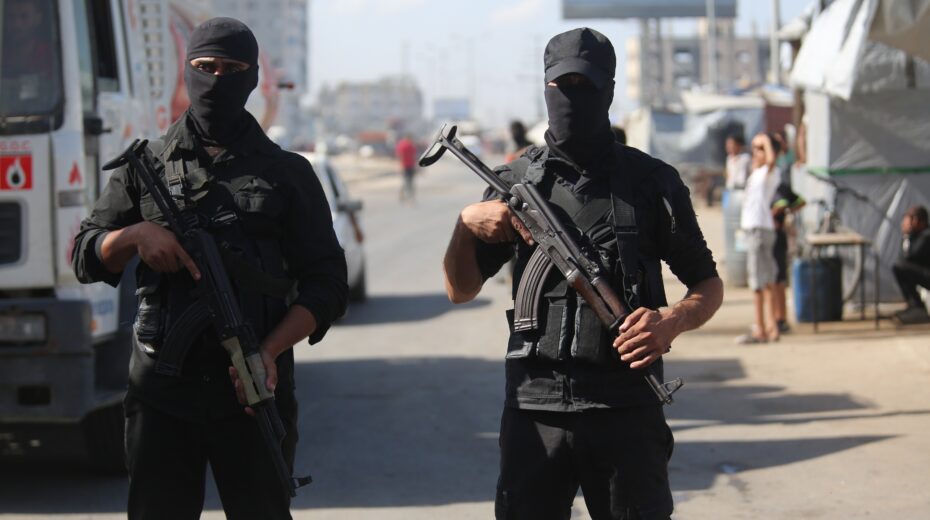
“There is only one party standing in the way of a better life for civilians in Gaza—and it’s Hamas,” Mike Waltz, US ambassador to the United Nations, said.
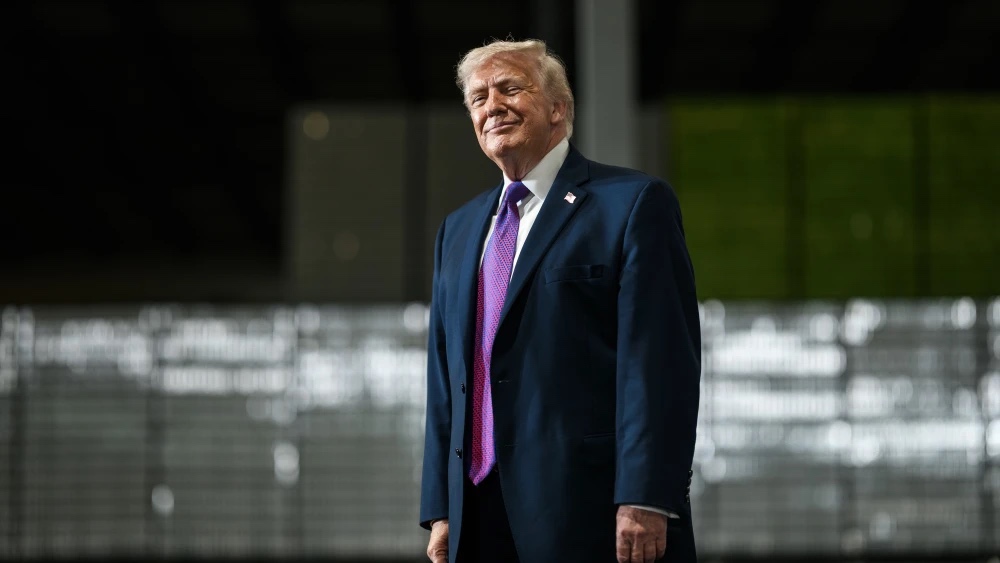
Washington says Tehran was forced into a two-week truce under overwhelming military pressure, while leaving the door open to renewed strikes if negotiations fail.