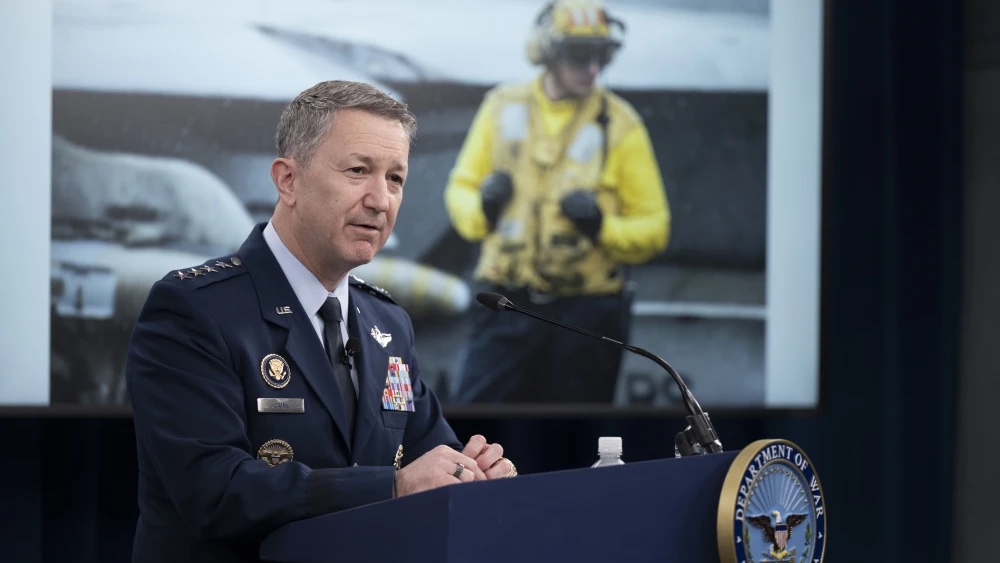
The US president told reporters that the next 24 hours were a “critical period” as Iran faces a deadline to reach a deal.
Conflict
Israeli officials say consecutive attacks on two key facilities have disrupted most of Iran’s petrochemical export capacity and dealt a major blow to revenue linked to missile production.
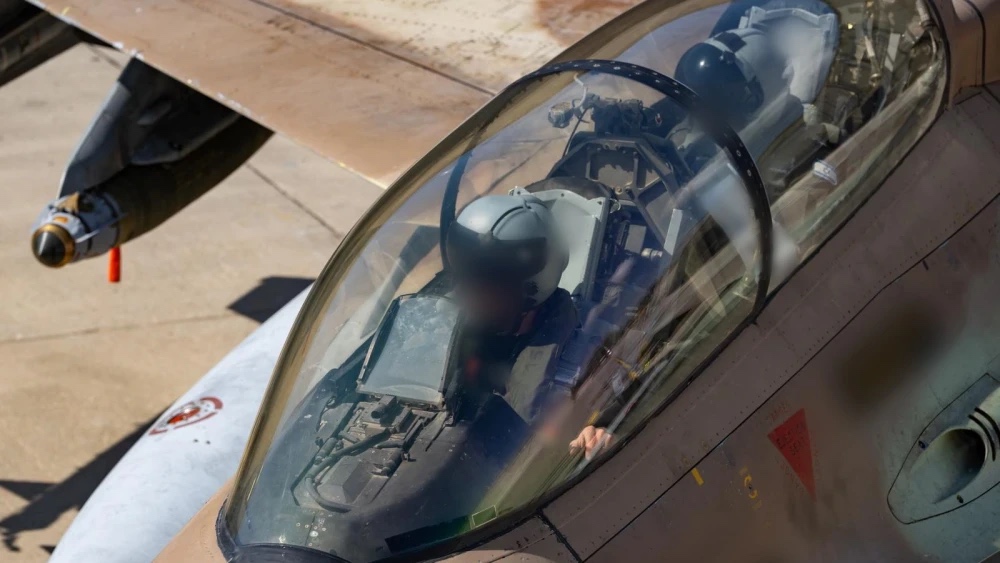
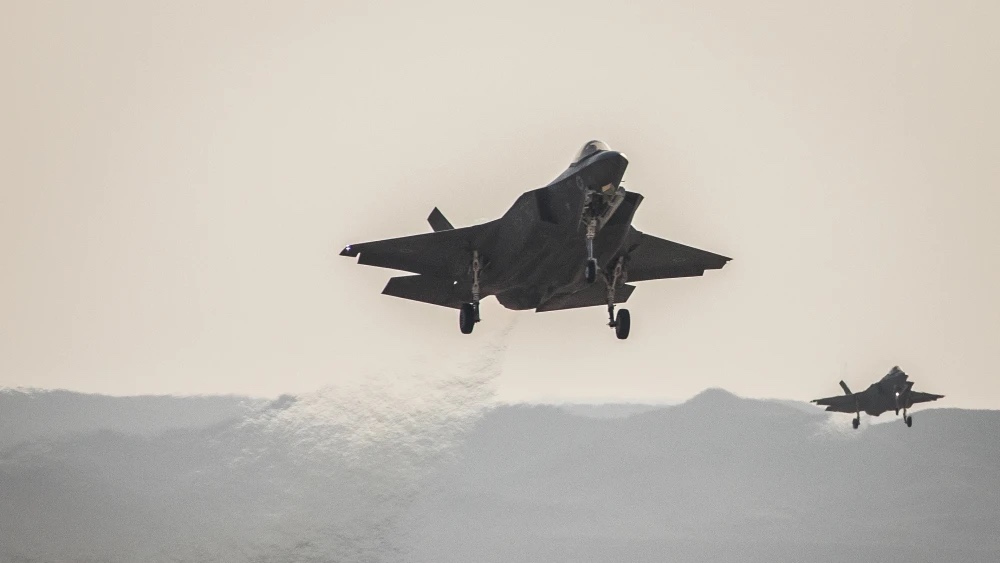
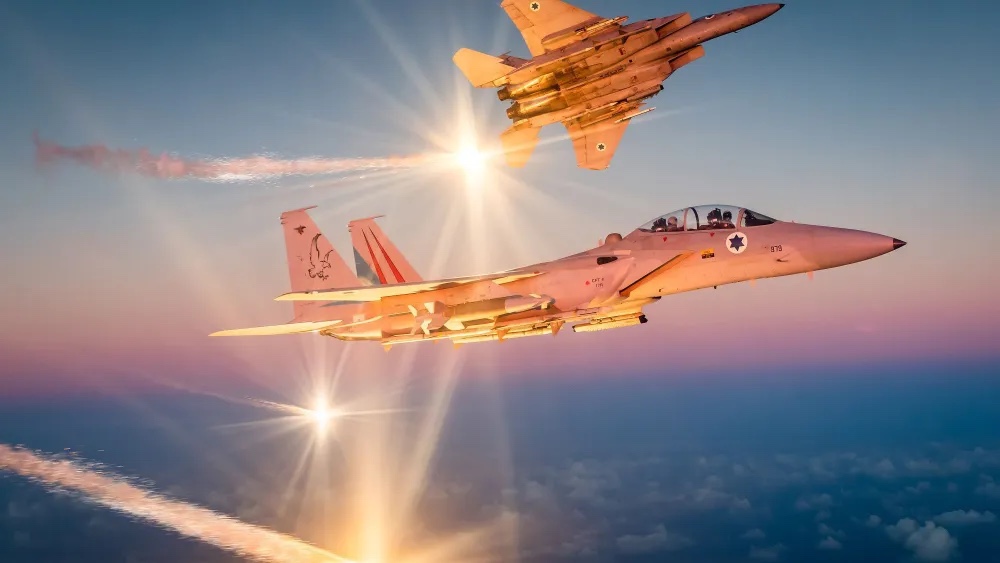
Israeli Air Force fighter jets take part in coordinated wave of attacks targeting weapons production and launch sites.
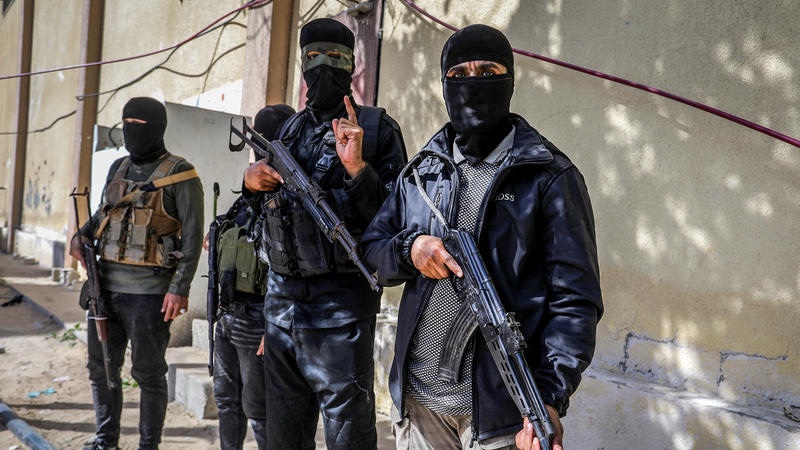
As mediators press forward with a US-backed ceasefire framework, Hamas makes its position plain: no surrender of weapons, no exposure of tunnels, and no end to the machinery it built for war.
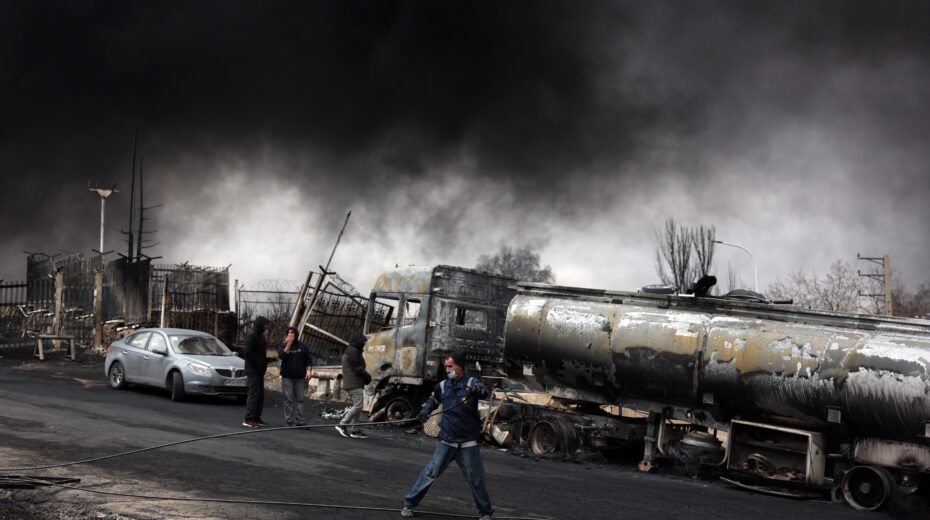
“The damage is incredibly painful to the regime. … You can’t continue to fight if you can’t pay your officers. If you can’t financially sustain the war, that’s a fatal problem,” says an Israeli expert.
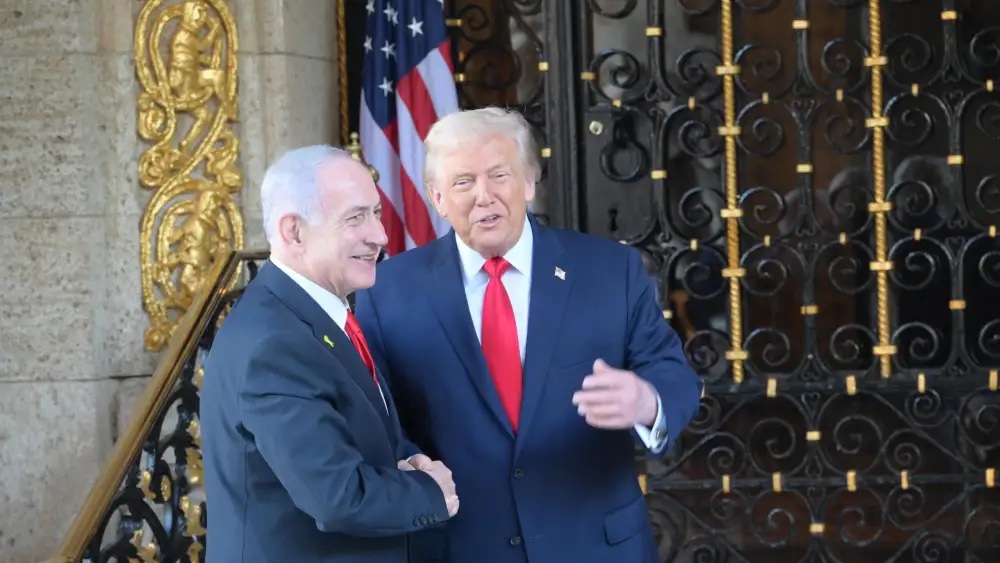
Prime minister says Trump thanked Jerusalem for its role in the operation, calling US-Israel coordination “unprecedented.”
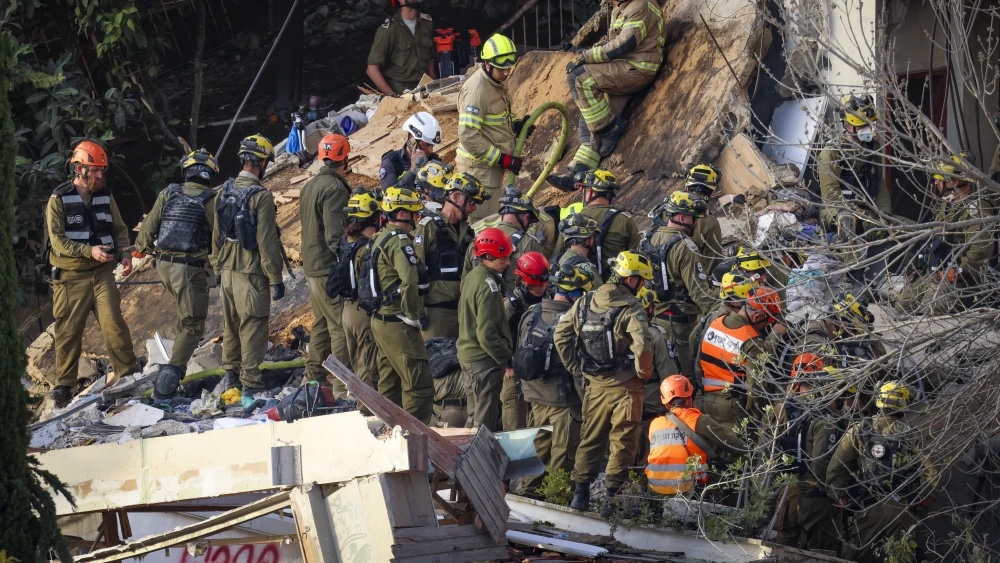
Rescue operations are ongoing after Sunday’s missile attack, as central and northern Israel deal with fresh overnight barrages.
Military says Mohammad Reza Ashrafi Kahi oversaw commercial channels that helped funnel billions into Iran’s armed infrastructure and regional proxy forces.
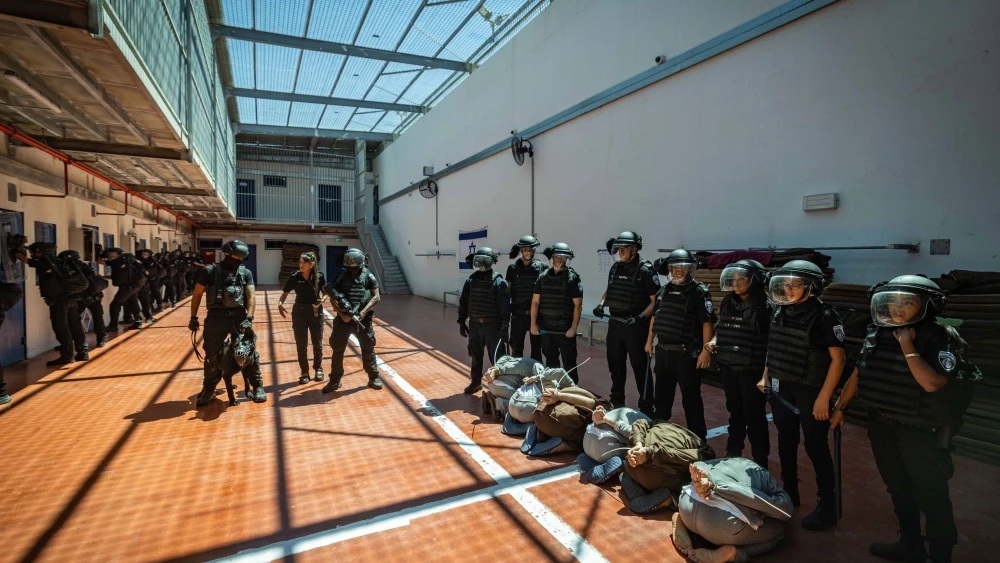
The new law seeks to operationalize long-standing legal provisions and strengthen deterrence against terrorist violence.