While Muslims have strengthened their identity as descendants of Mohammed and students of the Koran, millions of Christians—and Jews too—have developed in the opposite direction.
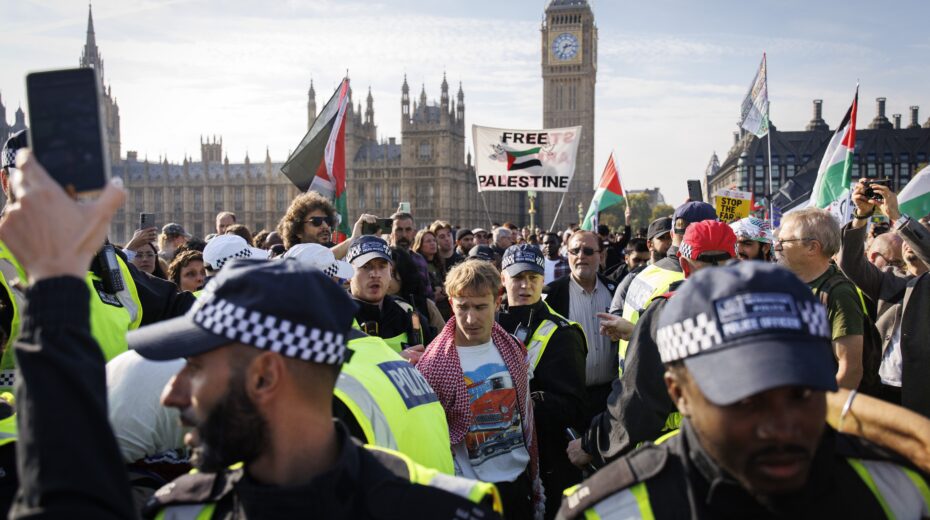
How can it be that in New York, the self-proclaimed “capital of the Western world,” a Muslim mayor with a distinctly anti-Western profile is suddenly elected? How is it possible that individuals with a clear Islamist agenda, like Hamid Patel, the top official overseeing British schools, conquer central positions of education and power in the West? And it doesn’t stop at isolated cases. In Paris, London, Birmingham, Brussels, Rotterdam, and Malmö, Muslims have long taken over local governments, influencing education, social policy, and public order. More and more neighborhoods no longer feel European but post-European. Nation-states are losing control while religious parallel structures grow. These developments are not political coincidences but visible symptoms of an epochal upheaval. The Western world, as we have known it for 80 years, is losing influence, self-confidence, and moral certainty. A cultural vacuum has emerged—and it is being filled. Not with freedom and democracy, but with identity, dogma, and claims to power.
This is an example of author bio/description. Beard fashion axe trust fund, post-ironic listicle scenester. Uniquely mesh maintainable users rather than plug-and-play testing procedures.
Members
Israel Today Membership
Read all member content. Access exclusive, in-depth reports from Israel!
Free Zoom events. Connect with Israel right from your home!
Raise a voice of truth and hope. Support Faith-based journalism in Jerusalem!








It is easier for people too lazy to seek and believe the truth, will always fall for the lies.