
Hamas is methodically regaining its authority over the parts of the Gaza Strip it continues to control—undercutting international peace efforts and complicating Israel’s security calculus—according to a report from Bloomberg.
Since the first phase of the truce between Israel and Hamas took effect on Oct. 10, the terrorist organization has shown no willingness to disarm or relinquish power, as envisioned under the second phase of the Trump peace plan. Instead, this latest report reveals a deliberate strategy by Hamas to re‑establish civil governance and economic control, even amid the destruction and despair caused by years of conflict.
From tents to tax collectors
Bloomberg’s investigation, drawing on interviews with Gaza merchants, vendors, entrepreneurs and residents, portrays a population caught between resignation and frustration.
Local vendor Ahmed—who spoke to the American outlet on condition of anonymity—captured the sentiment on the ground: “Our livelihoods are shattered. Why aren’t [Hamas] letting us make a living?” Meanwhile, resident Maisara Mohammed shared a notice from the Hamas‑run Land Authority demanding payment of two years’ worth of accrued fees for property that had been destroyed during the war.
Rather than dismantle its administrative apparatus, Hamas has reopened courts, reinstated civil servants, and even resumed tax collection—extending these measures to impoverished Palestinians living in tents.
The group’s so‑called “Petroleum Commission” has taken control of cooking gas distribution, previously a private market function, while rationing scarce supplies and imposing de facto tariffs on businesses looking to stay operational. Restaurateur Ahmed Shaldan told Bloomberg he must now pay steep extortion fees to intermediaries just to secure the gas necessary to keep his doors open.
Consolidating dictatorship amid defeat
Analysts say these maneuvers are more than opportunistic—they are strategic. Political science expert Mkhaimar Abusada, now at Northwestern University in Chicago, told Bloomberg that Hamas is exploiting delays in Phase 2 of the Trump peace plan to “rebuild its political and security control” across Gaza.
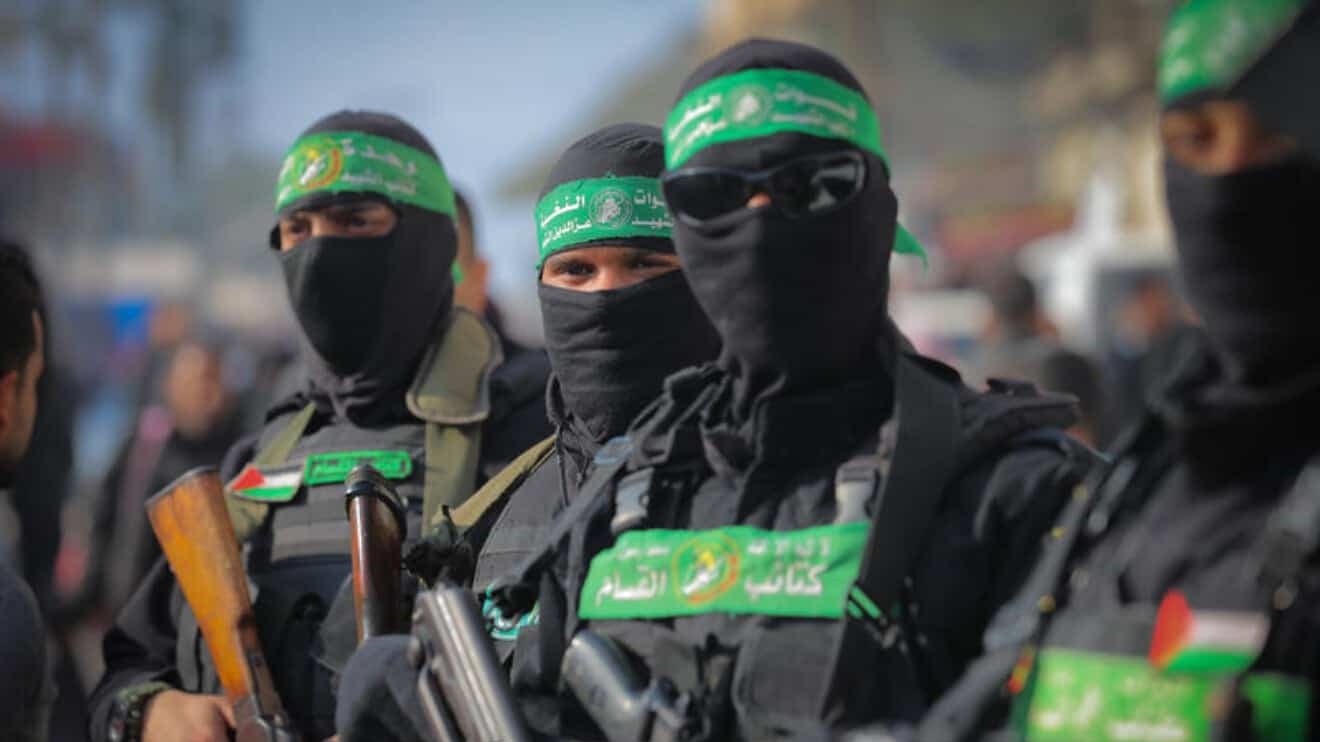
The organization’s capacity has been diminished by the Israel Defense Forces’ campaign: the number of Gazans on Hamas’s payroll has plummeted by a third from its pre‑war level of 50,000, and the ranks of the Al‑Qassam Brigades have been halved to approximately 20,000 fighters, according to Israeli assessments. Yet the group’s leadership is emphasizing its refusal to disarm.
A Hamas spokesperson reiterated that the movement “will never give up its arms as long as the occupation continues, and will never surrender even if it has to fight with its nails”—a statement that underscores the ideological rather than pragmatic nature of its strategy.
Strategic implications for Israel and the Trump plan
The Trump administration’s blueprint for peace calls for an International Stabilization Force (ISF) to deploy in parts of Gaza currently held by the IDF, facilitating a phased Israeli withdrawal and eventual demilitarization of Hamas. But with the terror group adamant about maintaining its armed capabilities and governance structures, the plan faces a growing credibility gap.
Abusada told Bloomberg that Hamas’s entrenchment could provide Israeli Prime Minister Benjamin Netanyahu with political justification to delay any full pullback from Gaza. Instead of opening space for peace and reconstruction, Hamas’s actions are tightening its authoritarian grip—at the expense of the Palestinian people and any near‑term movement toward a viable political solution.
Want more news from Israel?
Click Here to sign up for our FREE daily email updates