Petition urges government to open Judaism’s holiest site on the first day of the holiday, which falls on Shabbat this year, and allow the shofar to be sounded there.
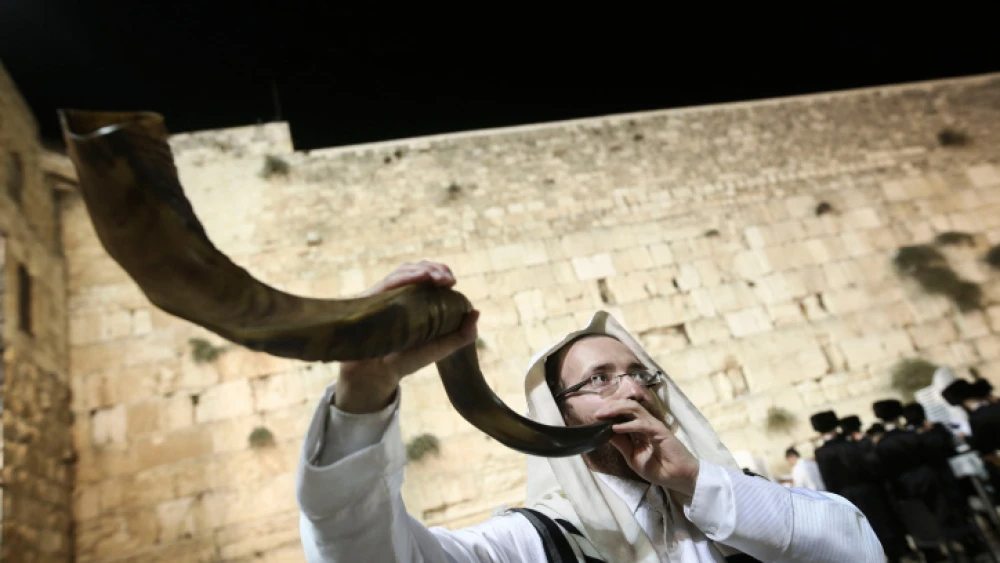
Petition urges government to open Judaism’s holiest site on the first day of the holiday, which falls on Shabbat this year, and allow the shofar to be sounded there.
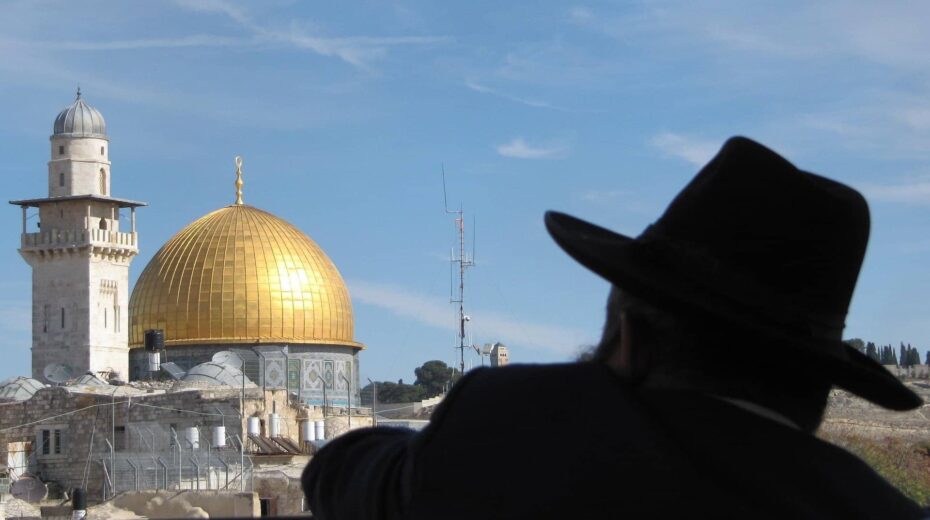
Allowing Jews to carry prayer books onto Judaism’s holiest site is not a provocation. The decades-long prohibition was the provocation.
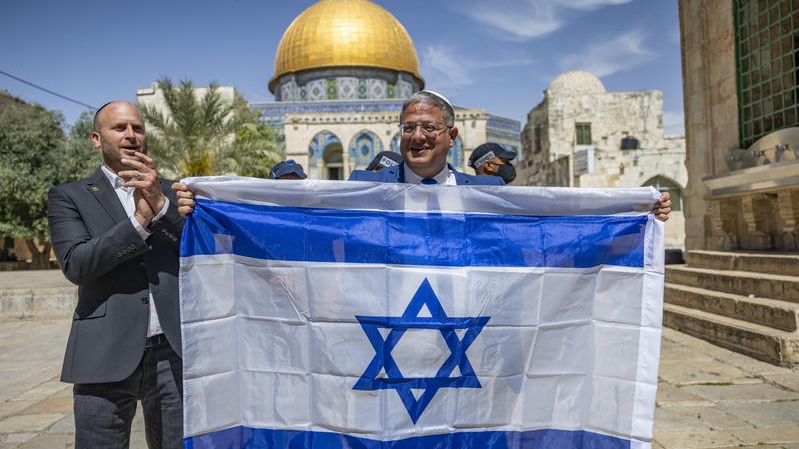
Jerusalem says Arab and Muslim ministers are accusing Israel of violating religious freedom while denying the Jewish people’s most basic connection to their holiest site.
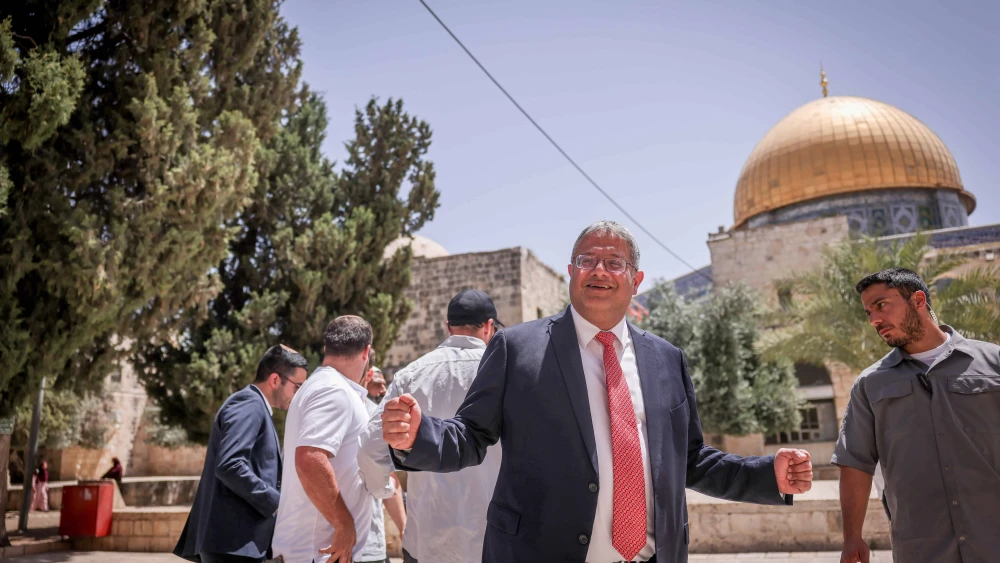
On Tisha B’Av, Jewish worship at Judaism’s holiest site exposed the absurdity of a decades-old arrangement that treated Jewish prayer as the problem.
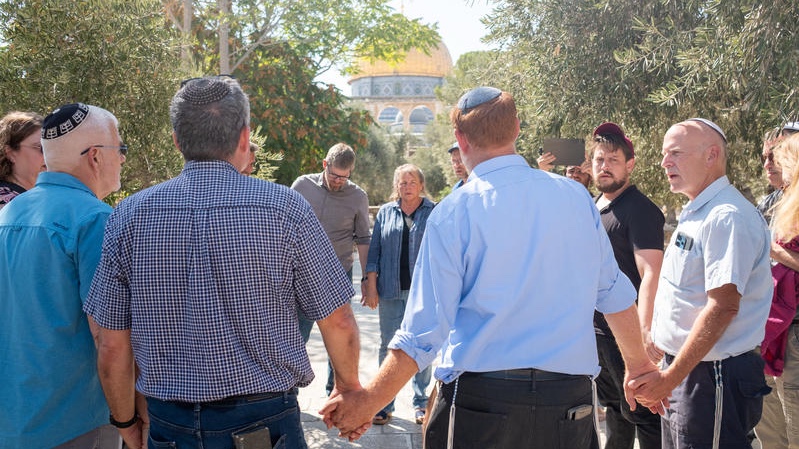
National Resilience Minister Yitzhak Wasserlauf hails “revolution” that now permits Jews to finally pray at Judaism’s holiest site.
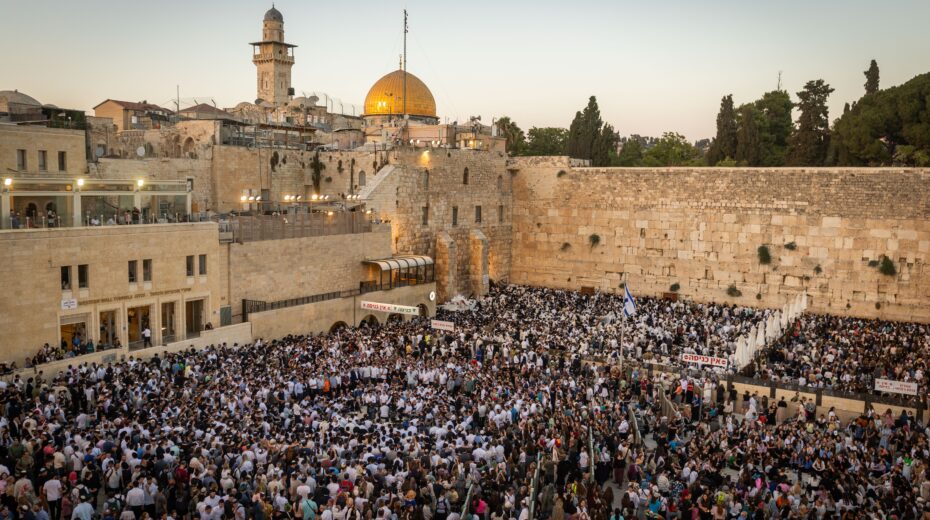
Freedom of worship near the Western Wall depends on a mix of older history and newer developments, both amid the ruckus of who believes what.

Critics accused Israel of persecuting Muslims and Christians, but ignored critical wartime context.
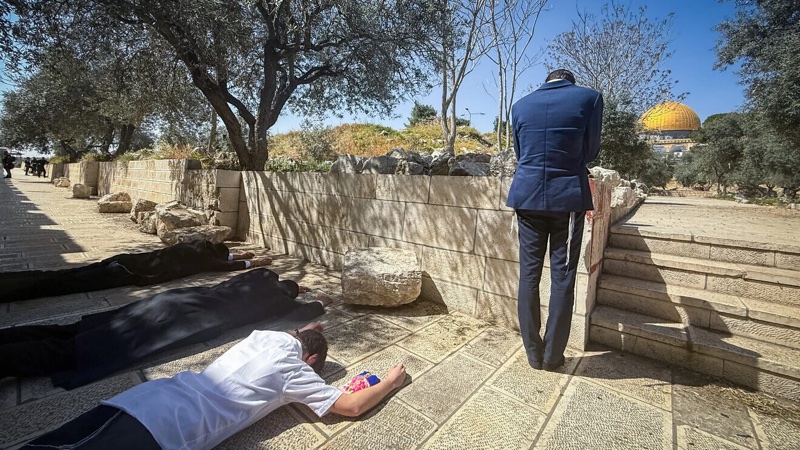
The status quo at the site has generally barred Jewish visitors from bringing religious items such as prayer books and tefillin.
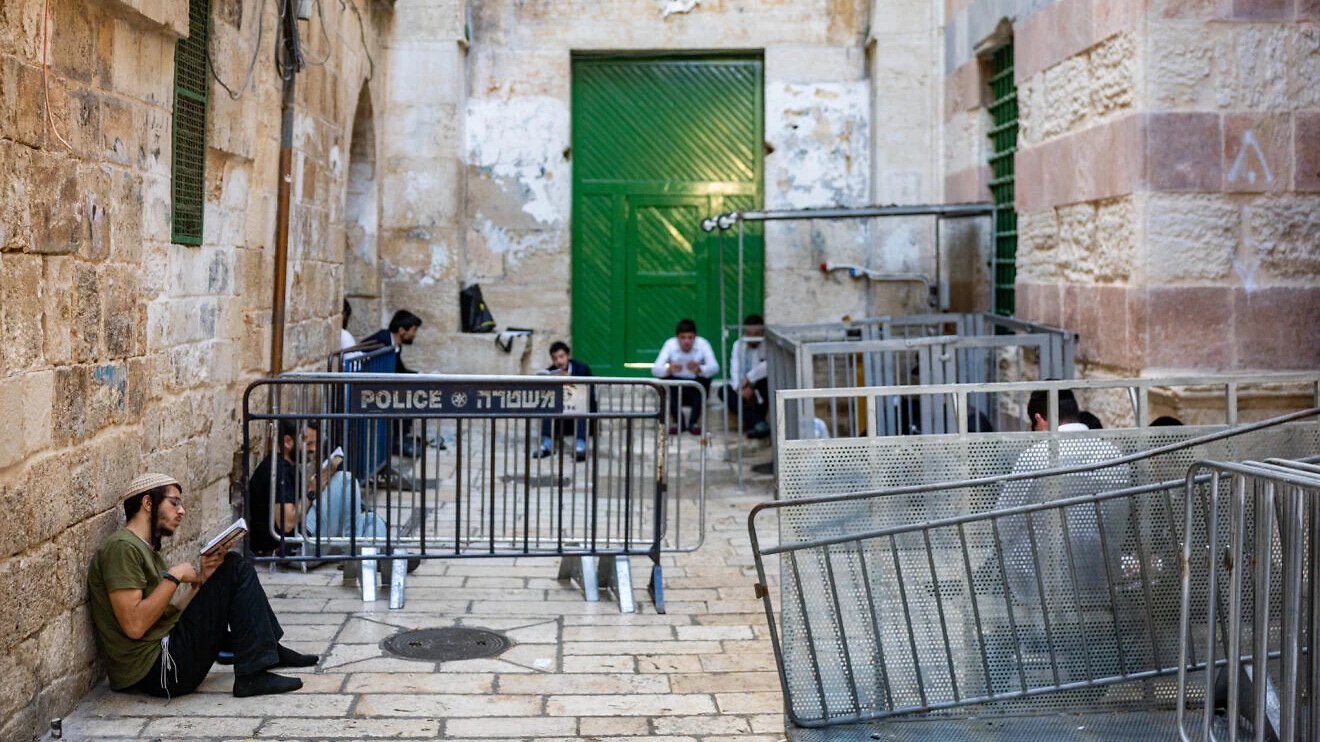
In 1925, the Supreme Muslim Council published a guide to the Temple Mount for tourists that said the site’s “identity with the site of Solomon’s Temple is beyond dispute.”
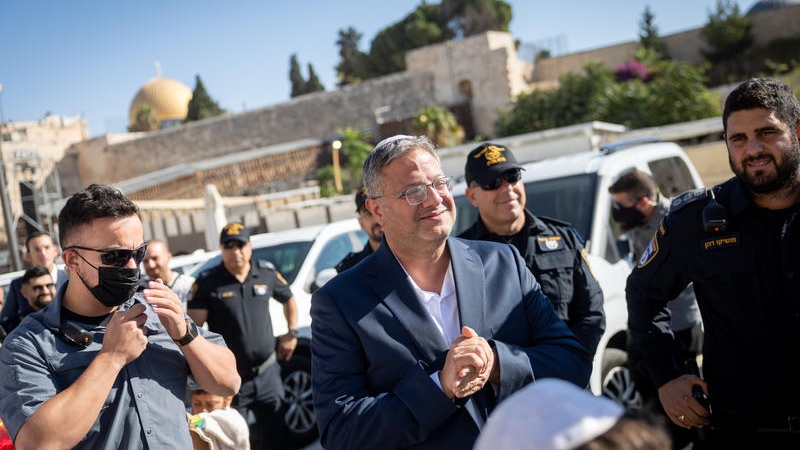
Police Minister Itamar Ben-Gvir declares “victory” as record number of Jews visit Judaism’s holiest site.