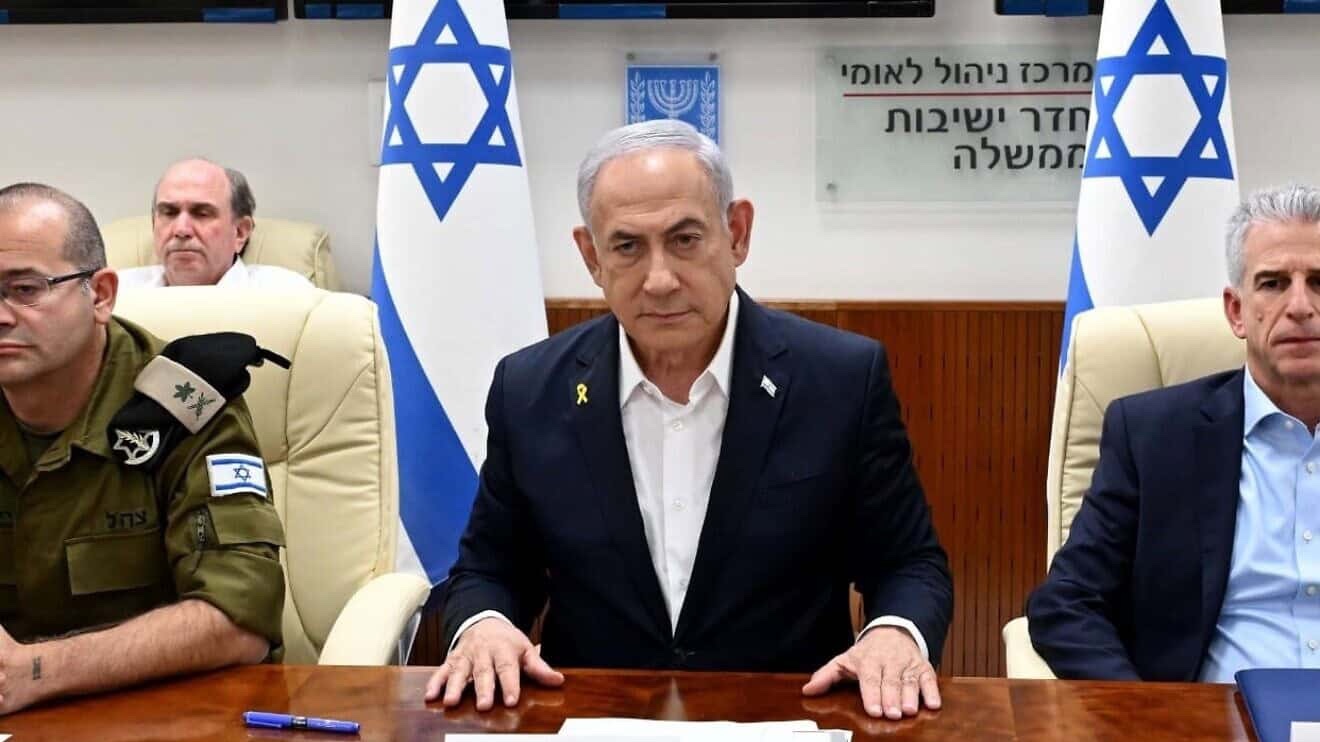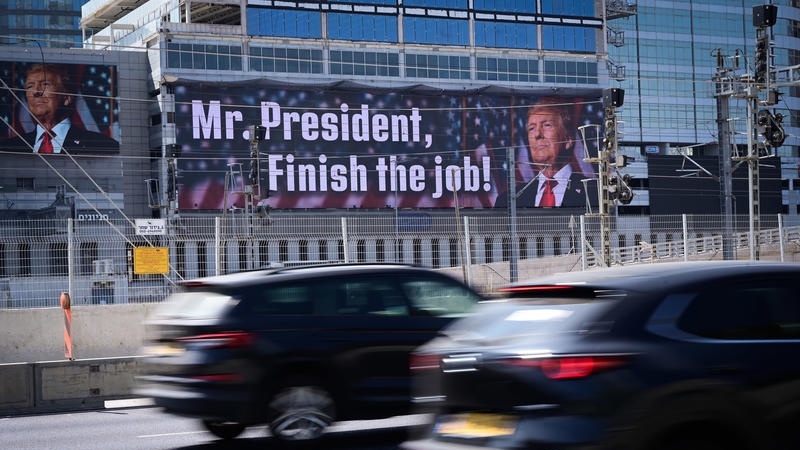

(Israel Hayom) It is customary to exaggerate the importance and impact of summit meetings. Today’s meeting between Prime Minister Benjamin Netanyahu and U.S. President Donald Trump is indeed dramatic, certainly from Israel’s perspective. On the agenda are the end of one war in Gaza, a historic security arrangement with Syria, the launch of civilian talks toward a compromise with Lebanon, and, above all, Iran.
That last issue may be the most critical. Iran is the engine driving regional wars and terrorism. Israeli intelligence and security establishments have devoted extensive work to preparing the case, assembling the evidence and drawing the conclusion that as long as the regime in Tehran remains in power, it will be difficult, if not impossible, to advance meaningful processes on any of Israel’s other fronts. This includes expanding the Abraham Accords to Saudi Arabia and other partners.
In Lebanon, Iran maintains Hezbollah, rebuilds its capabilities and missile arsenal in the Beqaa Valley, and bars the terrorist organization from any compromise regarding disarmament. Sheikh Naim Qassem, Hezbollah’s secretary-general, has escalated his rhetoric by the day.
In Syria, Iran stirs friction through militias and tribes it supports in order to prevent an arrangement with Israel, while also attempting to establish terrorist cells along the Golan Heights border.
In Gaza, Iran operates through its proxies under the leadership of Hamas, hardening the organization’s positions in negotiations to prevent the surrender of weapons and governing authority. It also threatens the Gulf states, warning that in the next military confrontation it would strike oil facilities and paralyze tanker traffic in the Persian or Arab Gulf.
Yet on the path toward confronting Iran, Israel is dealing with a very friendly U.S. administration whose internal views differ, both on Iran and on several other arenas.
Back to war with Iran?
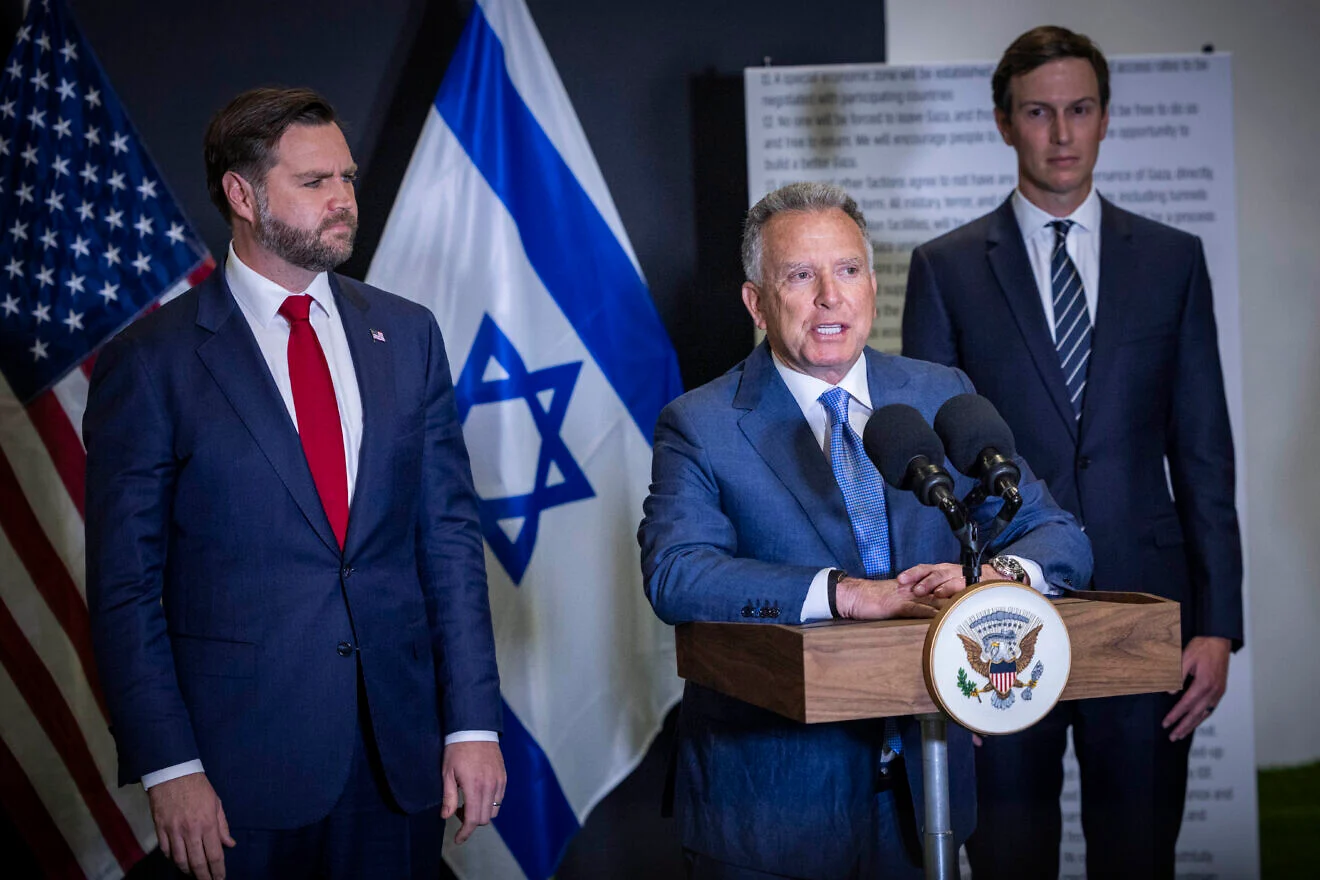
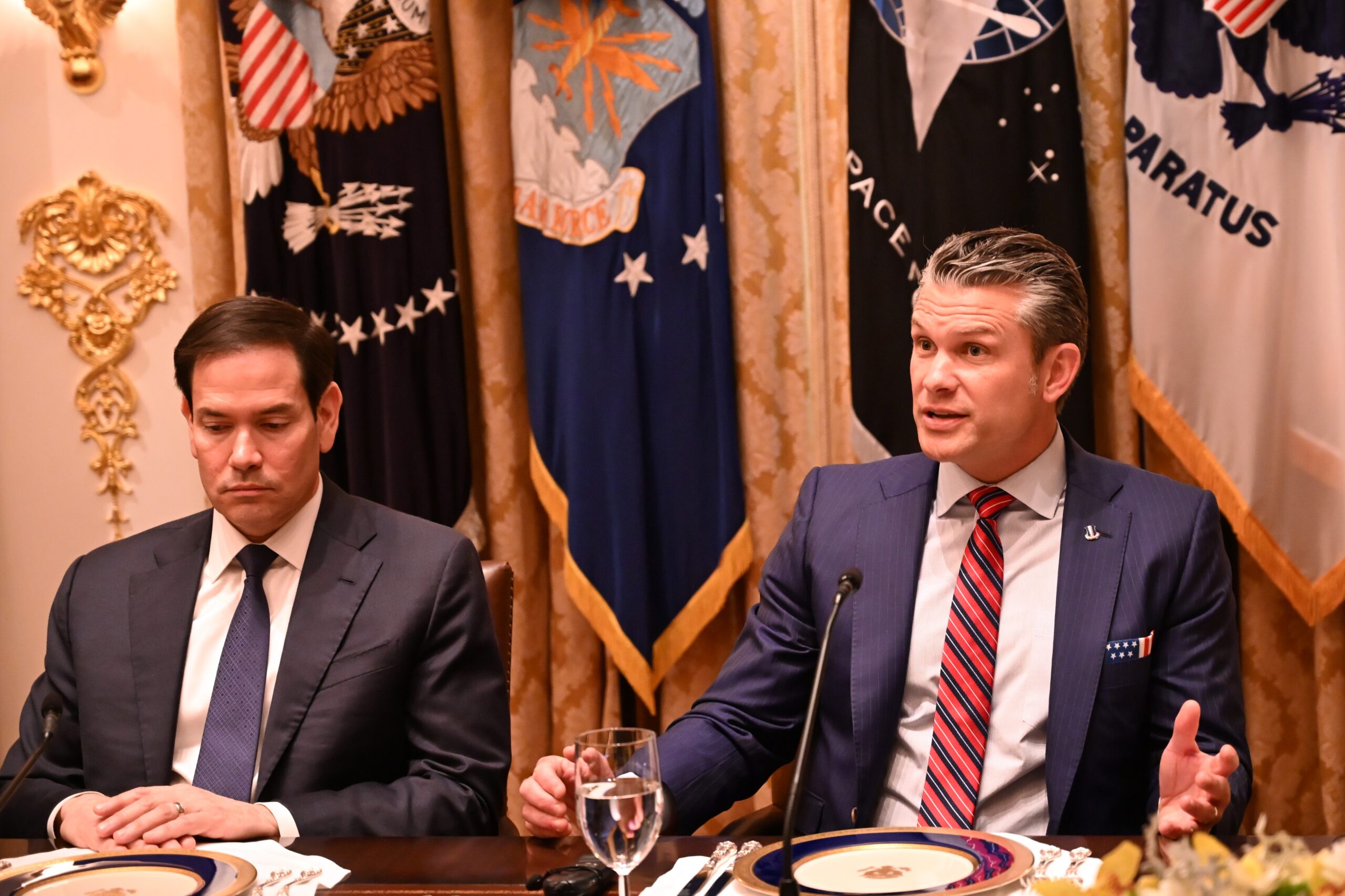
According to American and Israeli sources, one side of the divide includes envoy Steve Witkoff and senior adviser Jared Kushner, the president’s son-in-law, while the other includes Secretary of State Marco Rubio, backed by Secretary of War Pete Hegseth. Witkoff and Kushner, who in practice manage the negotiations on behalf of the president, are pushing for rapid progress across all fronts.
On Iran, the War Department, led by Hegseth, supports the intelligence Israel has provided regarding Iran’s renewed buildup of missile systems and air defenses. Hegseth aligns with Rubio’s hardline approach toward Iran, including the demand for an ultimatum before any negotiations begin. Witkoff, by contrast, believes Iran can be prevented from returning to its nuclear program and is particularly wary of renewed war, partly because of the danger the Islamic Republic poses to other Gulf states and their oil infrastructure.
Political sources who spoke with Israel Hayom say there is a strong likelihood of an announcement on the new governing body for Gaza and the international oversight mechanism, as well as a date for opening Phase 2 talks, even though the body of hostage Ran Gvili has not been returned.
Gvili’s family traveled with the prime minister’s delegation to showcase the need for full implementation of Phase 1 before moving to the next one. A compromise is likely to include a presidential statement affirming the necessity and commitment to bringing Gvili home, along with caveats tying progress to the next phase to that obligation.
The internal U.S. debate has not escaped Israeli attention. An Israeli official said it is clear who in the administration is briefing against Israel in an effort to create pressure for concessions and a rapid but dangerous agreement to end the war. Witkoff is expected to attend the president’s meeting with Netanyahu, while the prime minister is to meet separately with Rubio on Monday, ahead of the meeting with Trump.
The opportunity
Two additional issues that Trump and his team want to advance in meetings with Netanyahu are civilian talks with the Lebanese government and negotiations over a security arrangement with the al-Sharaa administration in Syria. Here, U.S. officials see an opportunity to set positive processes in motion that could pull the entire region forward. According to a regional diplomat, differences over Syria can be bridged, and with Lebanon there are many shared interests that could form the basis of a future agreement.
Netanyahu said last week, in response to a question from Israel Hayom, that Israel wants to see a sovereign and stable Lebanon. In the same breath, he added that Hezbollah terrorists operated by Iran must be addressed.
Syria introduces an additional player to the talks: Turkey. Ankara, the patron of al-Sharaa, is seeking to establish a full protectorate and in doing so to restrict Israel’s freedom of action in Syrian airspace and on the ground.
That airspace is critical for Israel on the route to Iran. According to unverified reports, Turkey is moving radar batteries into Syrian territory, which would enable it to detect Israeli Air Force flights.
Two more issues are also expected to come up. One is the memorandum of understanding on security assistance between the two countries, which is set to expire in 2027 and now requires groundwork in preliminary talks. Alongside this, the parties are expected to raise economic, technological and trade relations, from tariffs to cooperation in advanced technology research.
The breadth of issues is likely to necessitate a second meeting between Netanyahu and Trump. Tuesday has been left open on the schedule, partly to allow room for such a meeting. Another option is that the prime minister will remain in the U.S. and the meeting will take place next week. That scenario is likely if truly significant developments emerge.
Originally published by Israel Hayom.