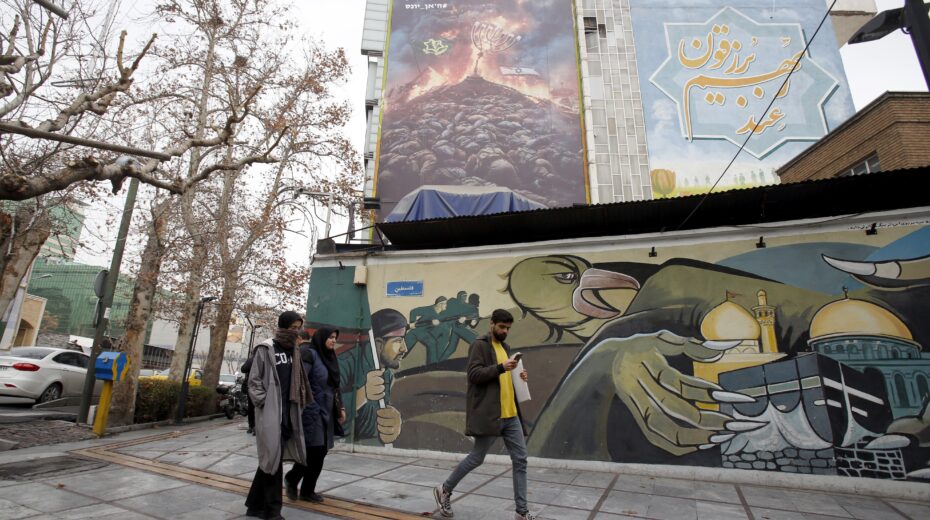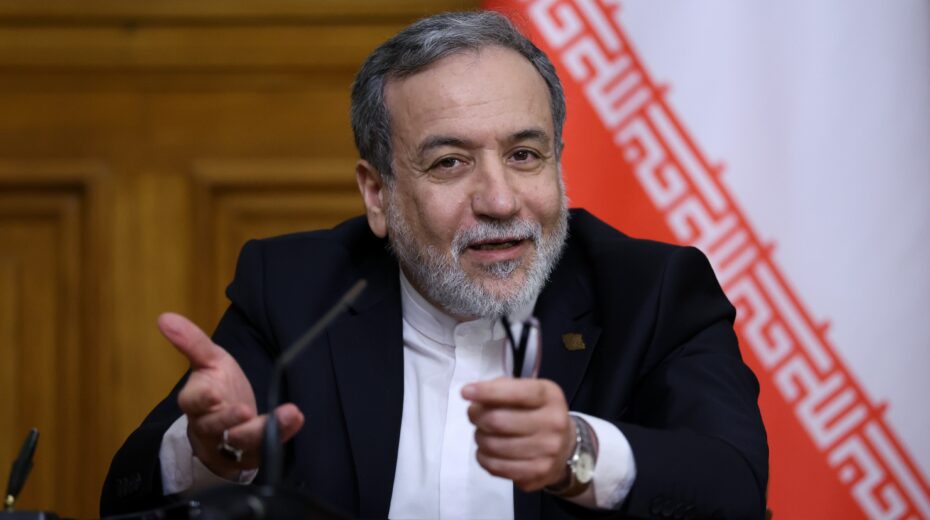

Iran does not want war but is prepared for any escalation. With this familiar yet deliberately sharp message, Iran’s Foreign Minister Abbas Araghchi addressed the press on Thursday during a visit to Beirut. Should there be further attacks by the United States or Israel, Tehran will respond, Araghchi declared. “We are ready for every option. We do not wish for war, but we are prepared for it.”
The Iranian Foreign Minister referred to the military confrontation in June that lasted twelve days. From Iran’s perspective, those attacks failed to achieve their objectives. The strategy of the United States and Israel had failed, Araghchi claimed. Should Washington and Jerusalem choose this path again, they would “experience the same results.”
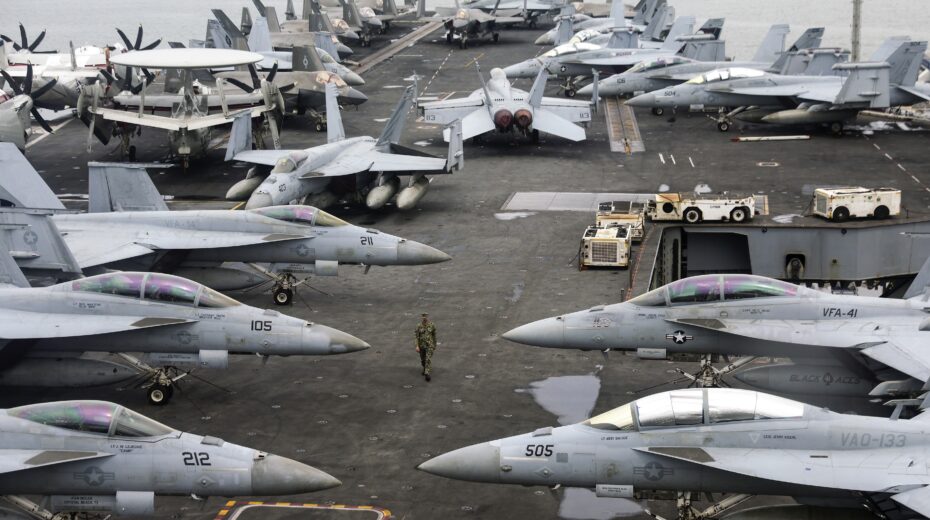
This portrayal stands in stark contrast to assessments from Washington and Jerusalem. There, it is emphasized that “Operation Rising Lion” and “Operation Midnight Hammer” significantly damaged Iran’s nuclear and missile programs. High-ranking commanders were eliminated, and central military facilities were hit. The goal was to sustainably weaken Iran’s ability to develop nuclear weapons.
Despite the martial rhetoric, Araghchi left the door open for diplomacy. Iran remains willing to hold talks about its nuclear program, but only on the basis of “mutual respect.” What Tehran explicitly rejects are dictates or “impositions” from Washington.
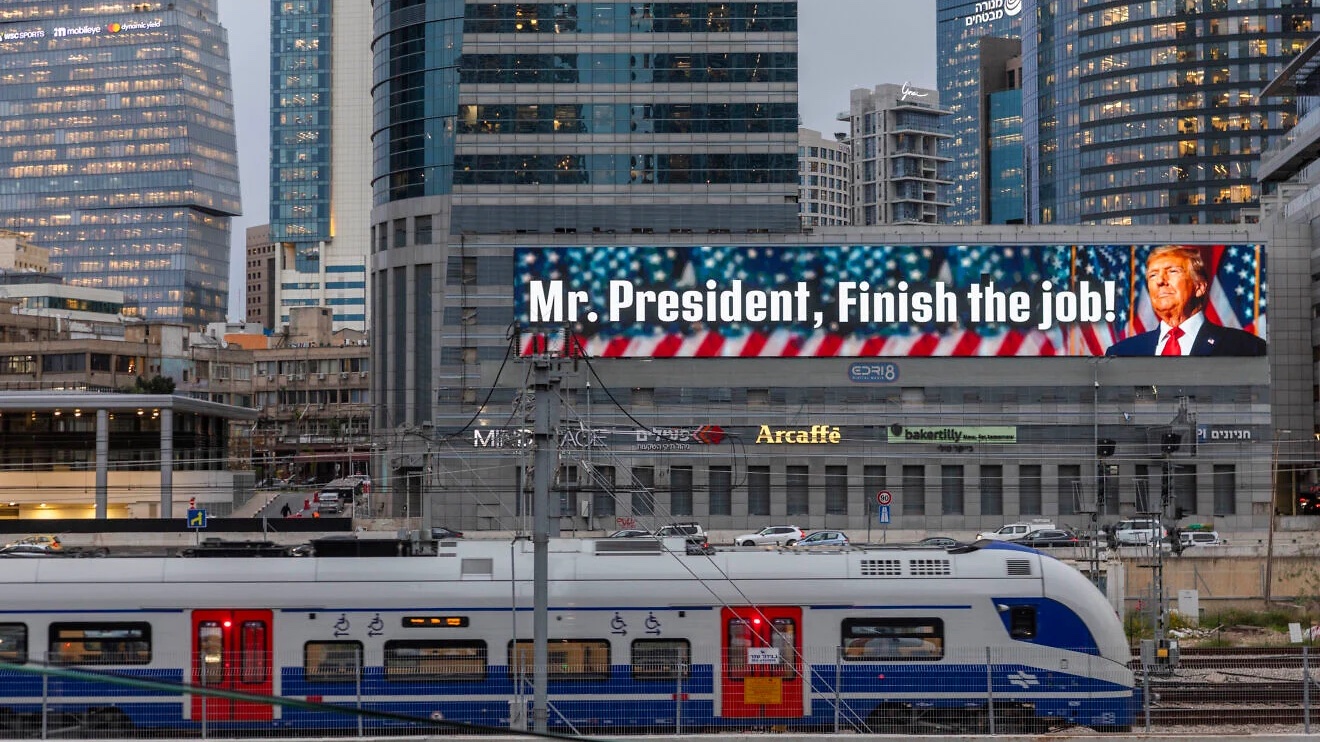
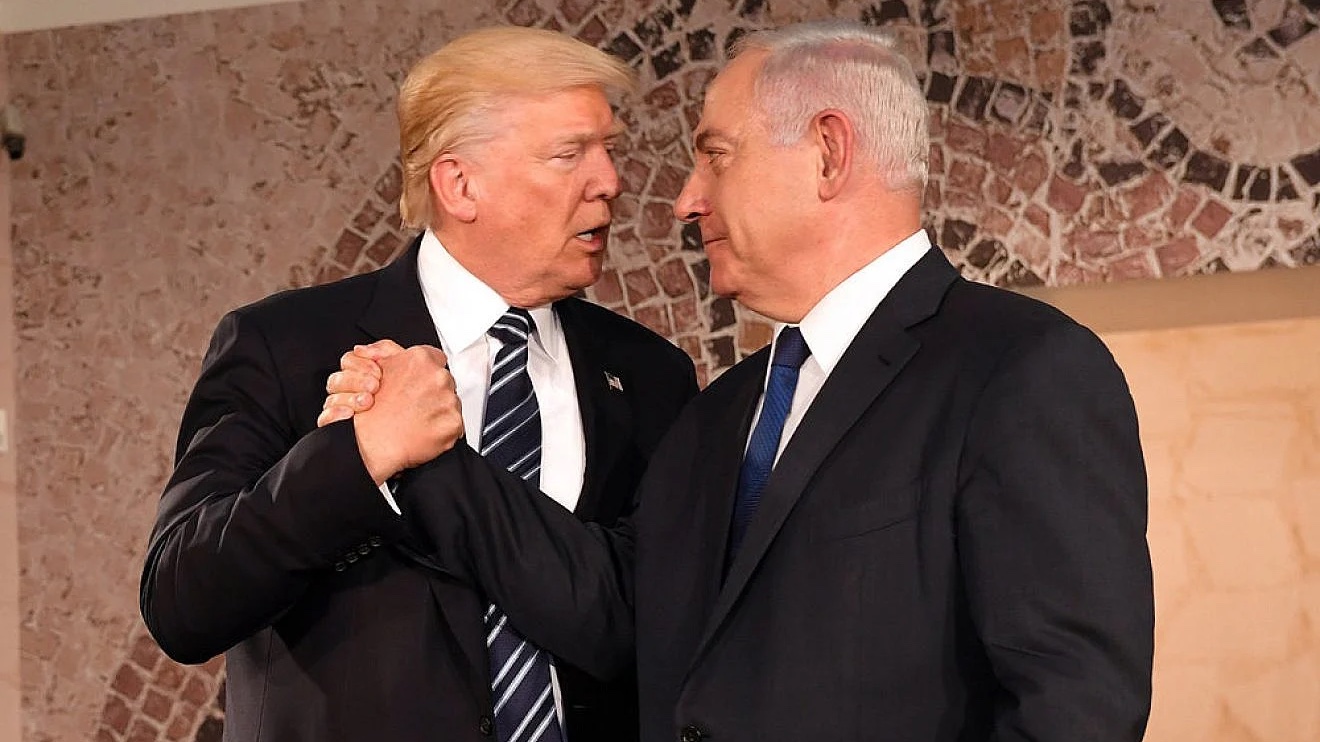
Since returning to the White House, US President Donald Trump has once again pursued a policy of maximum pressure toward Tehran. In February, his administration reimposed comprehensive sanctions to curb Iran’s nuclear ambitions. At the end of December, Trump also warned of further military strikes should Iran attempt to rebuild its nuclear program. This warning came in connection with discussions with Israeli Prime Minister Benjamin Netanyahu.
The latest statements from Tehran come at a time of considerable internal tensions. For nearly two weeks, nationwide protests – the largest in three years – have been taking place. According to human rights activists, demonstrations have spread to more than 100 cities across all provinces of the country. The triggers are dramatic inflation and the collapse of the national currency: the rial recently reached a historic low of around 1.46 million to the US dollar.
What began as social protests has in many places escalated into open calls for the overthrow of the Islamist leadership. Strikes, shortages of water and electricity, and the renewed intensification of international sanctions are further worsening the situation. Security forces are responding harshly to demonstrators; there are deaths, numerous injuries, and thousands of arrests.
Externally, the regime presents itself as resolute and ready for battle. Internally, however, it is under growing pressure. The aggressive rhetoric toward Israel and the United States thus serves not only as deterrence but also to stabilize its own power base – at a time when that base appears as fragile as it has in years.
Want more news from Israel?
Click Here to sign up for our FREE daily email updates