
Pakistan, Turkey, and Saudi Arabia have signed a mutual defense pact that could reshape the strategic balance of the Middle East and beyond.
The agreement, signed in Mecca, commits the three Muslim powers to treat an attack on one as an attack on all. Pakistan’s Foreign Ministry described it as a collective deterrence framework, language that closely resembles NATO’s Article 5.
The pact comes during the ongoing US-Israel confrontation with Iran, and Tehran has previously clashed with all three countries in different ways. Iran has fired missiles toward Saudi Arabia and Turkey since the war began, and Pakistan has had border skirmishes with the Islamic Republic.
But if the pact were aimed mainly at Iran, Pakistan’s own defense minister quickly complicated that reading.
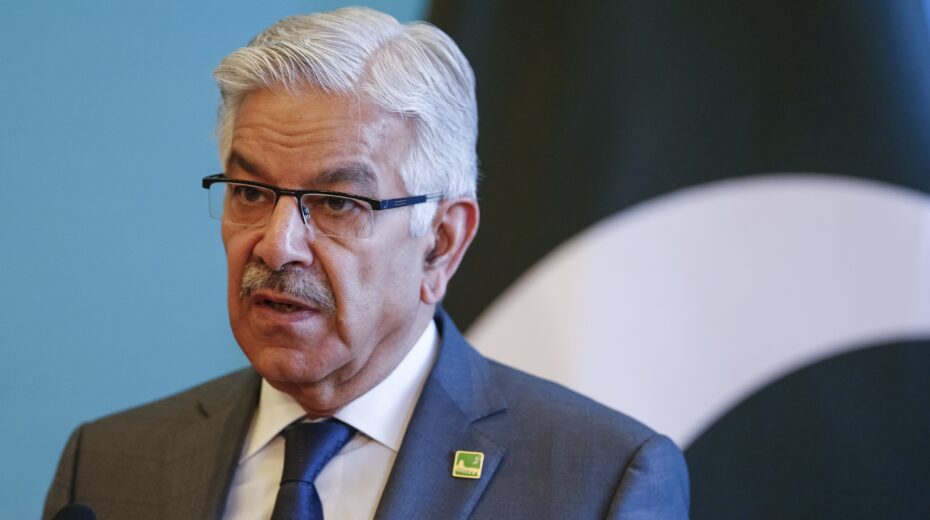
Within hours of the signing, Khawaja Asif used a television interview to call for the Muslim world to unite against Israel. Speaking to Geo News, he described Israel as a “common threat” and said Muslim countries must confront it together.
Pakistani Defense Minister Khawaja Asif on Israel:
When it comes to Israel, all Muslim countries should come together. There is absolutely no ambiguity in my mind about that.
Given Israel’s current conduct, as well as the historical evidence of what it has been doing—at one… pic.twitter.com/3Uqzo1cdnR
— Clash Report (@clashreport) August 8, 2026
Turkey under Recep Tayyip Erdogan has become one of Israel’s most hostile regional critics, routinely accusing the Jewish state of crimes while aligning itself politically with the Palestinian cause. Pakistan has never recognized Israel and has repeatedly rejected normalization, including calls to join an expanded Abraham Accords framework.
Saudi Arabia is more complicated. Riyadh has been exploring normalization with Israel for years and shares deep concerns over Iran. But the kingdom is also under heavy pressure from the broader Muslim world and has positioned itself as a defender of Palestinian interests.
The new pact therefore points in two directions at once.
It could become a Sunni security bloc aimed at containing Iran. Or it could evolve into a formal mechanism for collective pressure against Israel, especially if other Muslim states join.
Turkey has denied that the agreement targets Iran or any specific country. That may be true in diplomatic language. But Asif’s remarks stripped away some of the ambiguity.
For Israel, the warning is clear. The region’s security architecture is shifting, and not every anti-Iran alignment is necessarily pro-Israel.
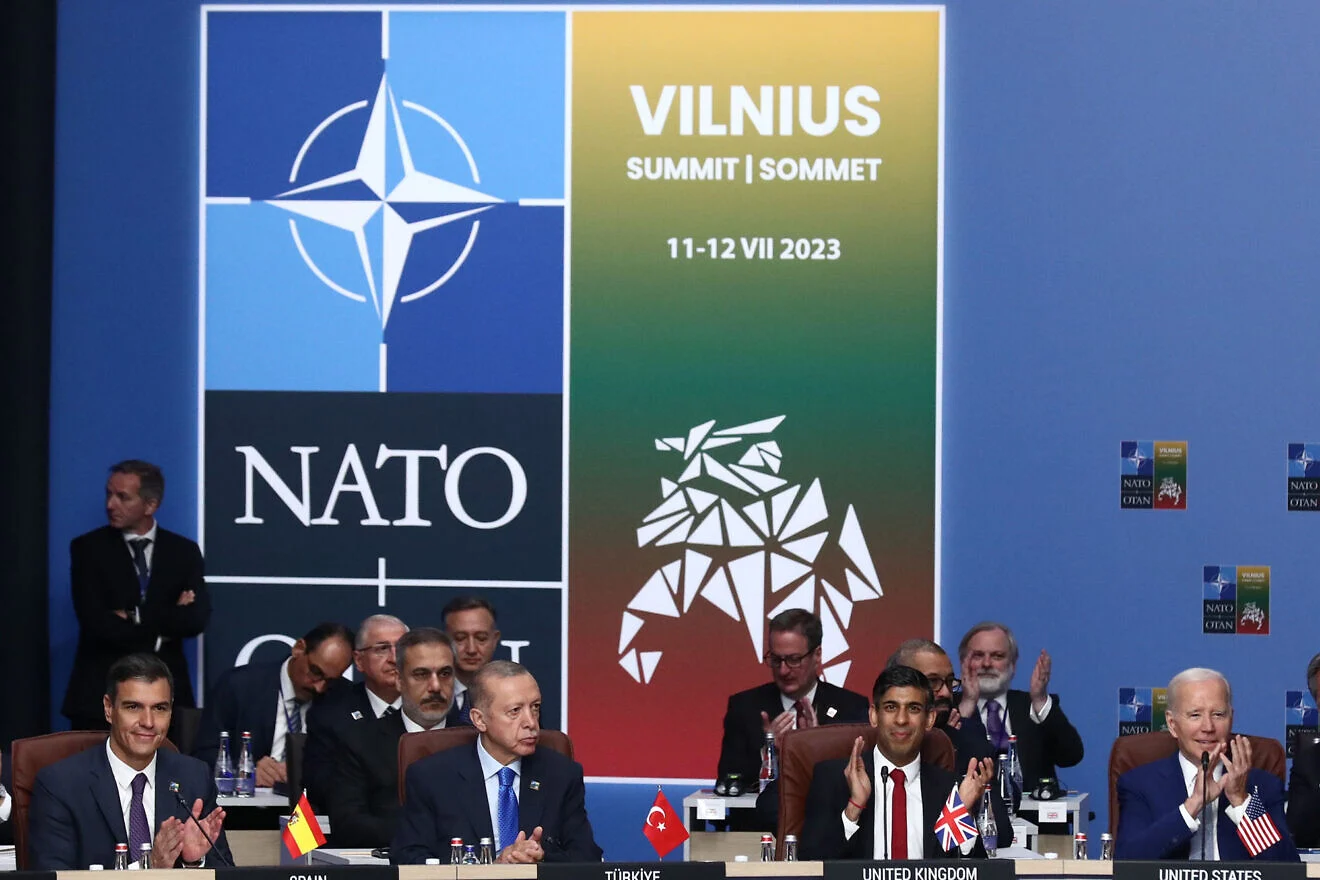
A Muslim defense bloc led by nuclear-armed Pakistan, NATO-member Turkey, and Saudi Arabia is not something Jerusalem can afford to ignore.
Want more news from Israel?
Click Here to sign up for our FREE daily email updates