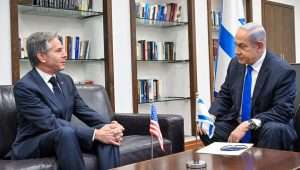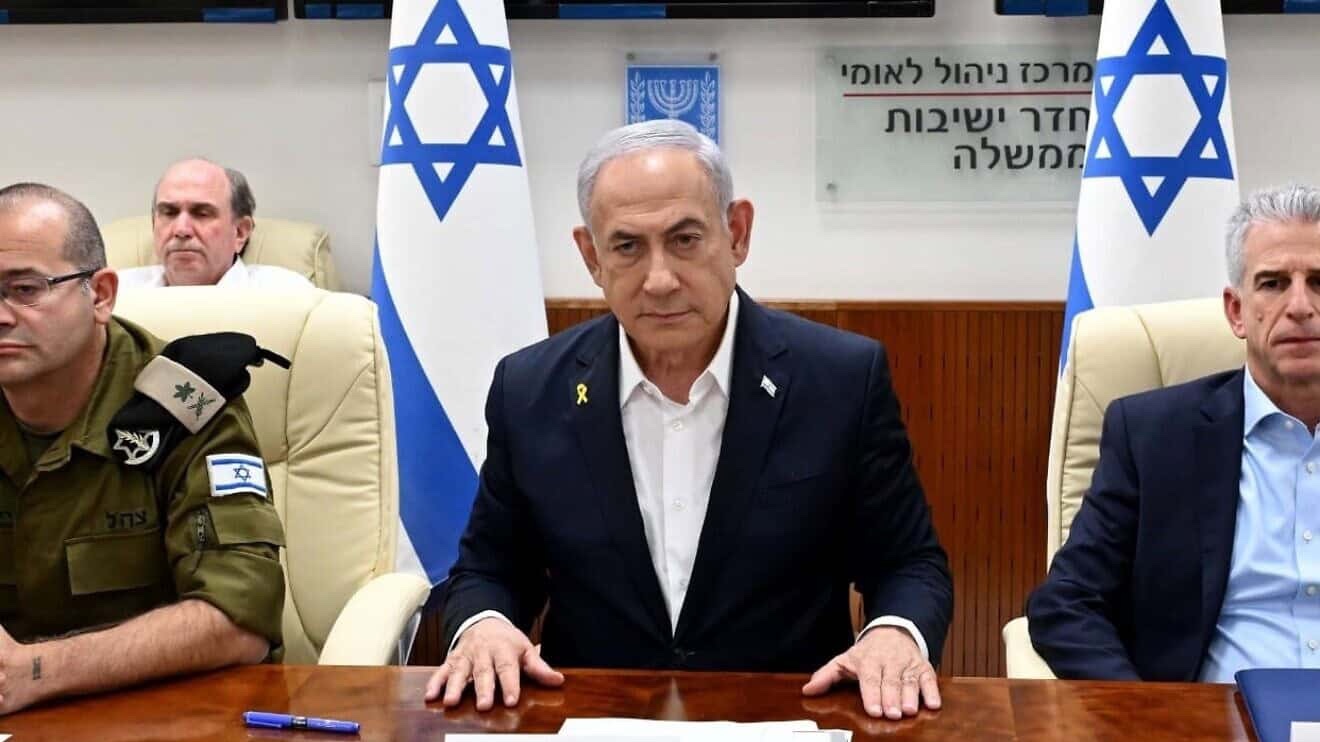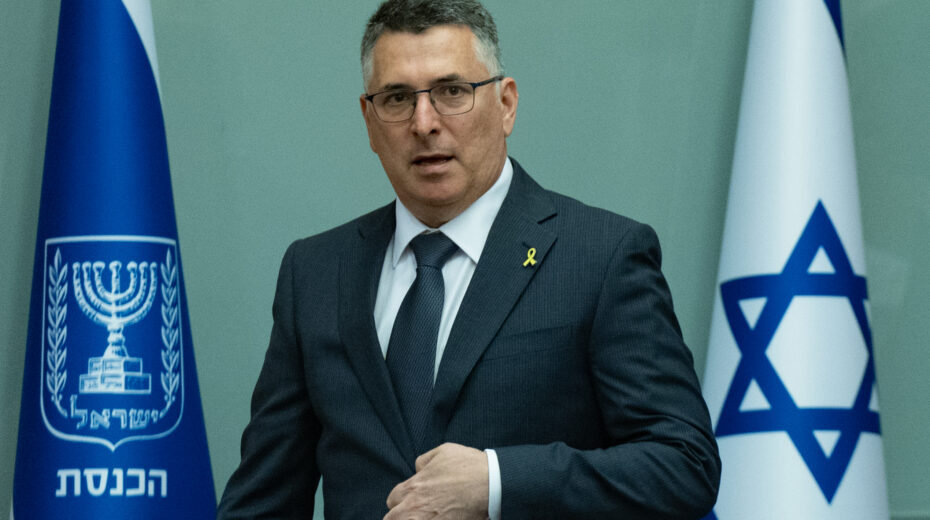

Israel is committed to the long-term demilitarization of the Gaza Strip—and, if necessary, by force. That message was made unmistakably clear by Foreign Minister Gideon Sa’ar in an interview with Al Arabiya English, the Saudi outlet. If Hamas refuses to disarm as outlined in the US peace plan proposed by President Donald Trump, “Israel will have to deal with the problem,” Sa’ar said.
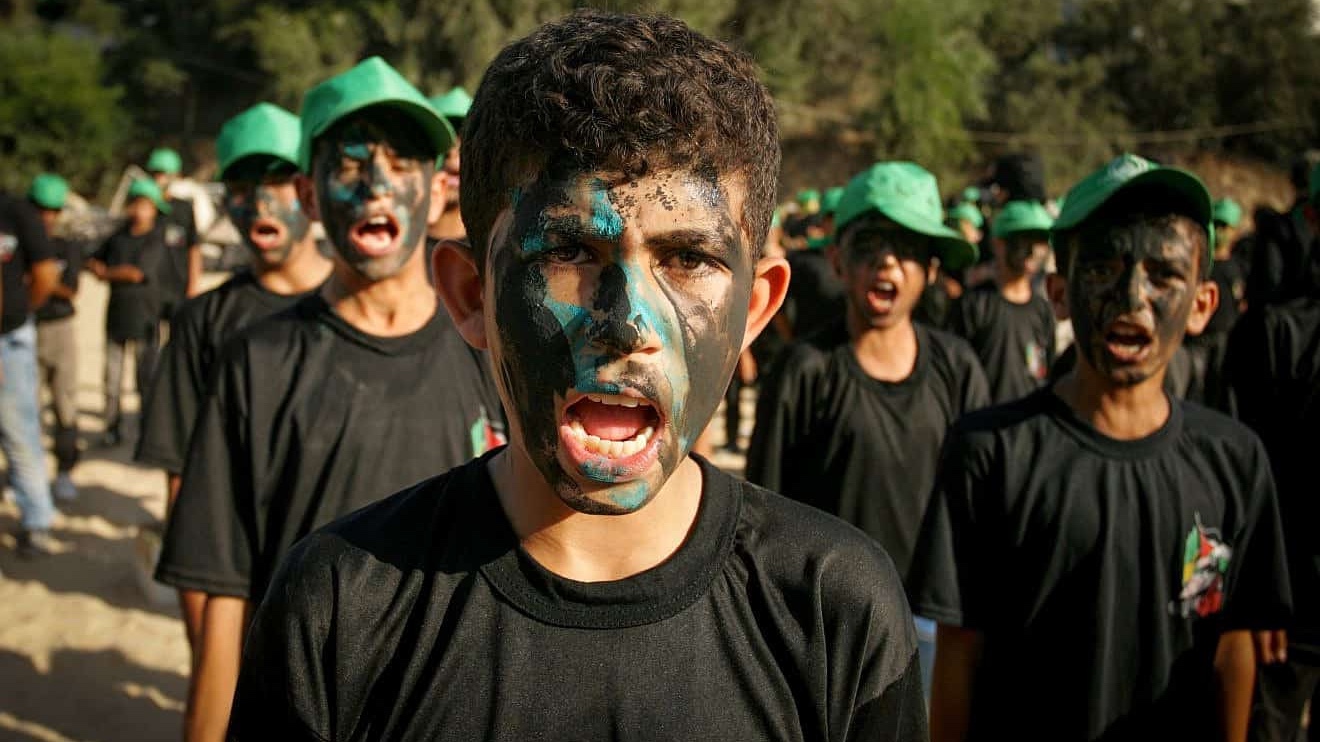
He emphasized that Israel prefers a diplomatic outcome. The Trump Plan explicitly calls for the disarmament of both Hamas and Palestinian Islamic Jihad—a clause both Israel and Hamas, at least formally, have addressed. But reality tells a different story. Senior Hamas leaders have stated publicly they have no intention of laying down their arms.
“The central question,” Sa’ar said, “is how to ensure that Gaza no longer poses a threat to the State of Israel.” That question lies at the heart of the second phase of the US plan: demilitarization, deradicalization, and the complete dismantling of terrorist groups. This, he added, is the core issue—and the precondition for any long-term stability.
Israel has made the diplomatic track a clear priority and supports international efforts, Sa’ar continued. But ultimately, the reality is inescapable: “We are Gaza’s neighbors.” If the threat continues, Israel cannot ignore it. That assessment is shared by Israel’s national security community, which has long argued that ceasefires without disarmament are merely pauses before the next escalation.
Beyond Gaza, Sa’ar also addressed Israel’s northern borders. In Syria, he noted, the new regime in Damascus has recently hardened its position, delaying progress toward a potential security agreement. Israel is open to such an agreement—potentially even peace and normalization—but the facts on the ground remain deeply concerning. Syria is home to numerous militias, including extremist factions, some of which have committed atrocities against Alawite and Druze communities in recent months. Israel’s first priority, he said, remains the security of its own borders.
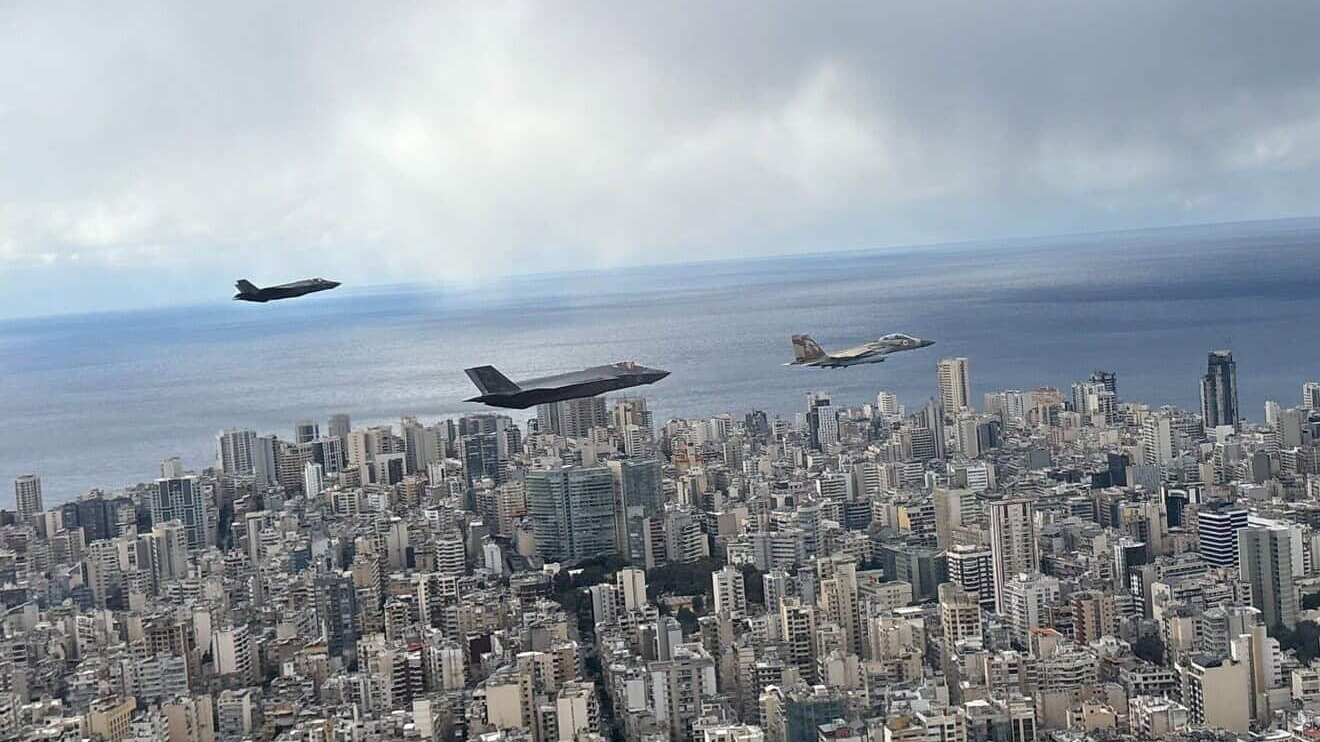
Lebanon, too, remains a major destabilizing factor. Hezbollah continues to undermine state sovereignty by refusing to comply with the Lebanese government’s call to disarm. Sa’ar made it clear that disarming the Shiite militia would not only strengthen Israel’s security—it would also help Lebanon free itself from foreign interference. The implication was obvious: Iran, which has armed and financed Hezbollah for years.
In a special W News special interview, Israeli Foreign Minister Gideon Saar speaks to Catalina Marchant De Abreu about Israel’s hopes to move into a second phase – but Hamas must disarm. He also says Israel wants a security agreement with Syria and why Israel wants to have peace… pic.twitter.com/5sBkGzjigT
— Al Arabiya English (@AlArabiya_Eng) December 17, 2025
At the close of the interview, Sa’ar was asked about the fate of Ran Gvili, the Israeli police officer killed and held by Hamas—the last of the fallen hostages remaining in Gaza. While he gave no operational details, Sa’ar stressed that Hamas, just as it has recovered and returned other bodies, could and should locate and release Gvili’s remains.
The message from Jerusalem is direct: Israel remains committed to diplomacy, but patience is not a strategy. Without the disarmament of Hamas, there will be no lasting quiet—for Israel or for Gaza.
Want more news from Israel?
Click Here to sign up for our FREE daily email updates