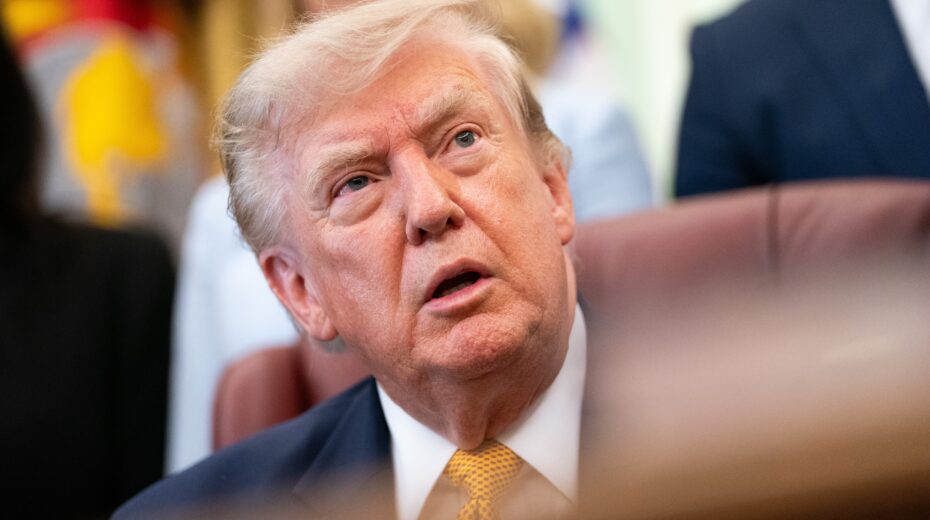
The US president insists that American naval forces are maintaining a strict blockade until Tehran agrees to a deal or total surrender.
Middle East

As Washington balances military pressure with diplomacy toward Tehran, the US leader is confronting many of the same strategic constraints that have shaped Israel’s multifront war.
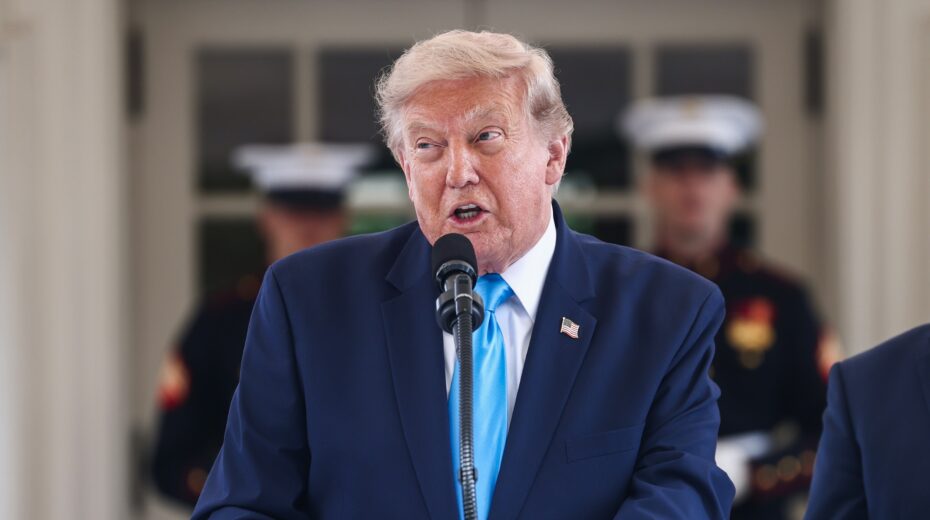
The president did not say where the negotiations would take place.

The former prime minister’s vow to declare Qatar an enemy state reflects growing Israeli anger that Doha is still embraced in Washington while funding, hosting, and amplifying Israel’s enemies.
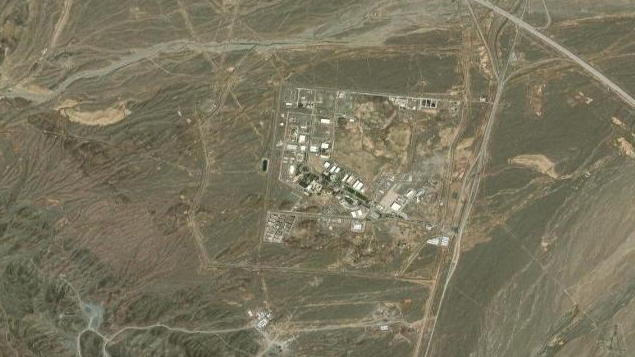
Five months of war, billions in costs, thousands of airstrikes, and yet none of the actual war aims have been achieved. The Iranian nuclear program has neither been decisively shut down, nor has the mullah regime been forced to capitulate or enter into a new nuclear agreement.
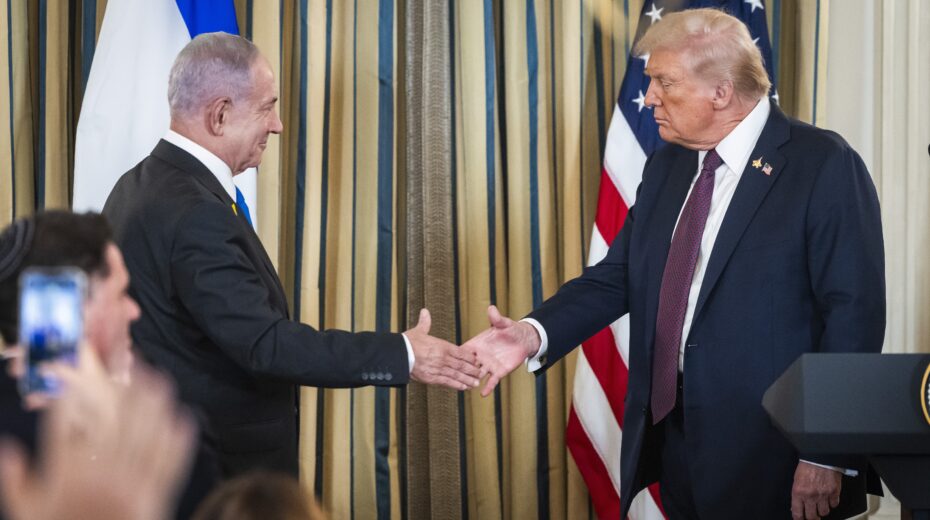
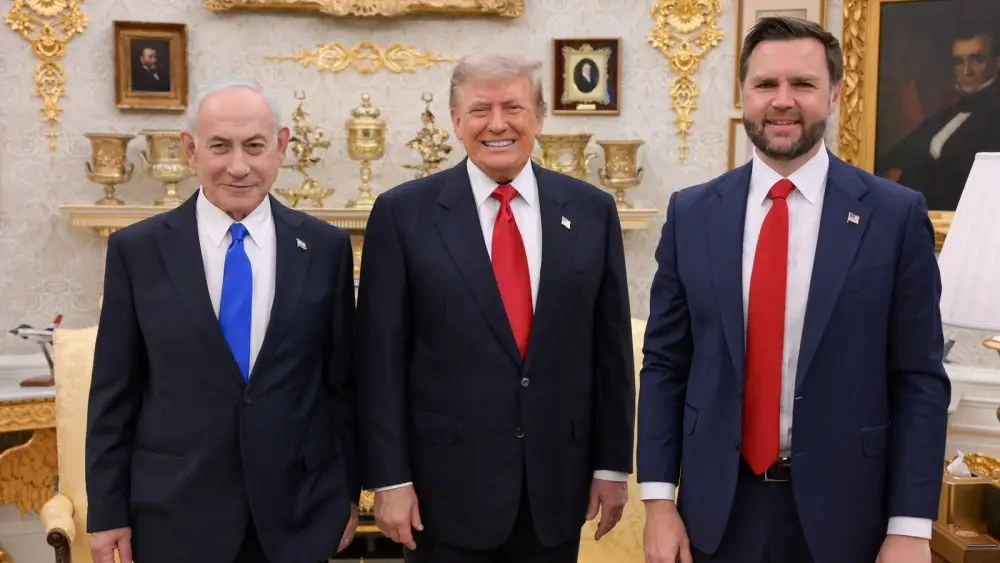
A look at expectations for the meeting between Donald Trump and Benjamin Netanyahu, the handling of Iran, and Israeli positions on Syria, Lebanon, Saudi Arabia, and the Gaza Strip.
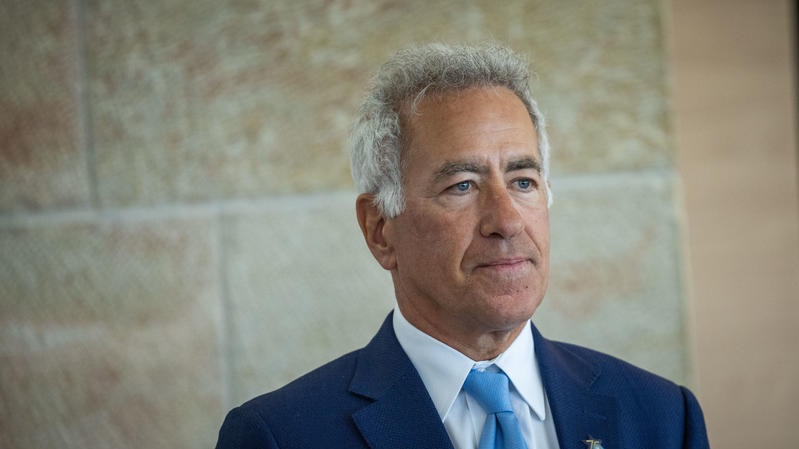
“Iran and Israel are the only two countries on this planet that have a biblical relationship,” the exiled Iranian Crown Prince Reza Pahlavi said.
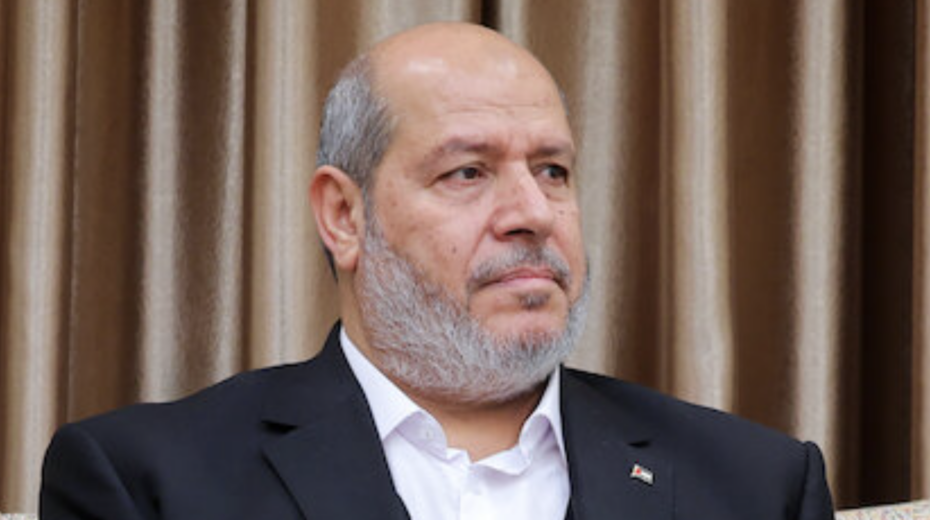
Following the degradation of the group’s military infrastructure in Gaza, its external leadership has consolidated in Istanbul, raising new questions about Turkey’s role and the West’s counter-terrorism strategy.
Washington’s nuclear offer to Riyadh is now tied to the real prize: Saudi Arabia joining the Abraham Accords and recognizing the Jewish state.