

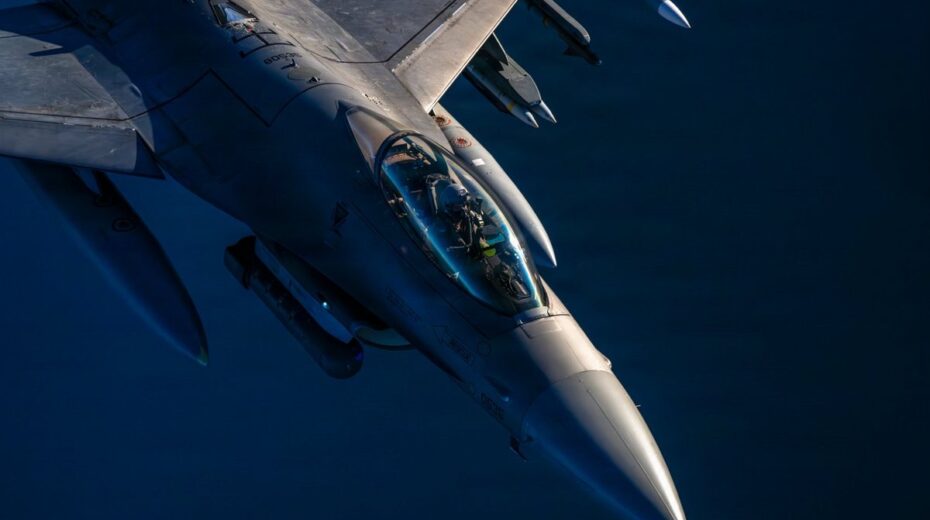

The United States continued its airstrikes against Iran overnight into Monday, marking the ninth consecutive night of attacks. According to US Central Command (CENTCOM), the attacks targeted Iranian regime military installations along the country’s southern coast and in the Strait of Hormuz.
According to CENTCOM, attacks targeted command and control centers, air defense systems, coastal surveillance facilities, maritime force installations, and missile and drone launch sites. Communication networks used for Iranian military operations were also targeted. The US military stated that the attacks were intended to further limit Iran’s ability to threaten international shipping in the Strait of Hormuz.
CENTCOM began conducting a new wave of strikes against Iran at 7 p.m. ET today for the ninth consecutive night. The strikes will continue degrading Iranian military capabilities used to attack commercial vessels and civilian mariners transiting the Strait of Hormuz.
— U.S. Central Command (@CENTCOM) July 19, 2026
The United States justifies its military operation with the ongoing attacks by Iran and its allies on American forces, as well as the threat to international shipping in the Persian Gulf. Since the start of the operation, according to US sources, numerous military installations belonging to the Iranian Revolutionary Guard Corps, as well as missile, drone, and air defense sites, have been attacked. Washington emphasizes that the airstrikes will continue as long as these military capabilities pose a threat to American forces and the freedom of navigation.
U.S. Navy Sailors remain focused and vigilant aboard guided-missile destroyer USS John Finn (DDG 113), as American forces continue implementing the naval blockade against Iran. As of July 19, CENTCOM has redirected 6 commercial vessels and disabled 1 to ensure full compliance. pic.twitter.com/SyutavMv6s
— U.S. Central Command (@CENTCOM) July 19, 2026
The ongoing escalation was evident again on Sunday. Iran fired several missiles at targets in the Jordanian port of Aqaba . According to an Israeli security official, the Israeli Air Force launched two interceptor missiles at falling debris from the missiles to prevent any threat to Israeli territory. The Israeli army subsequently issued a precautionary warning for southern Israel, but a regular missile alert was not triggered. According to Jordanian officials, there were no injuries or property damage.
In parallel with the airstrikes, CENTCOM released new information on American casualties of the past few days. According to the report, another US soldier was killed in northern Iraq on July 18 during a controlled detonation of a previously shot-down Iranian drone. Another soldier sustained minor injuries. The US military also announced that human remains were found at the site of the July 17 Iranian attack on an American base in Jordan; their identities are currently being forensically examined.
Israel is preparing for possible escalation
While the United States continues its attacks on Iranian military targets, Israel has significantly escalated its warnings to Tehran. Following the Iranian missile attack on Aqaba, Defense Minister Israel Katz declared that if Iran fires missiles at Israel, Jerusalem will respond “with full force.”
Chief of Staff Eyal Zamir also emphasized that the armed forces were on high alert and ready to resume the fight against Iran at any time.
Want more news from Israel?
Click Here to sign up for our FREE daily email updates










Maybe Iran is using up the war supplies of the US and Israel before they strike back in force. Just a thought.