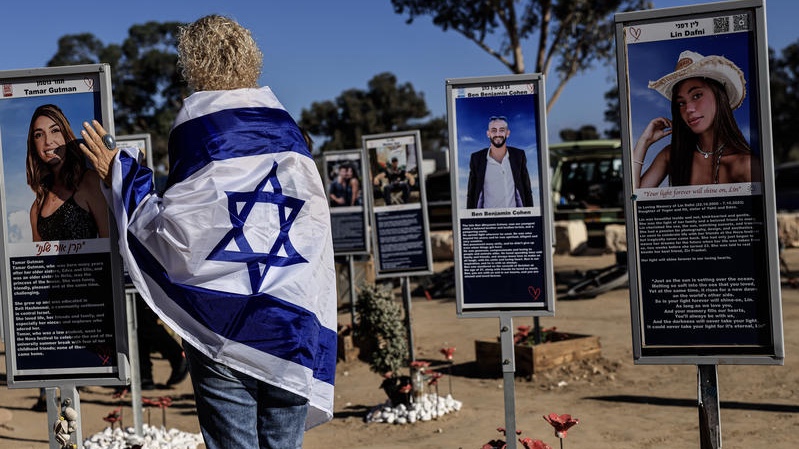
Western leaders may supply weapons. They do not sustain Israel’s existence.
Opinions
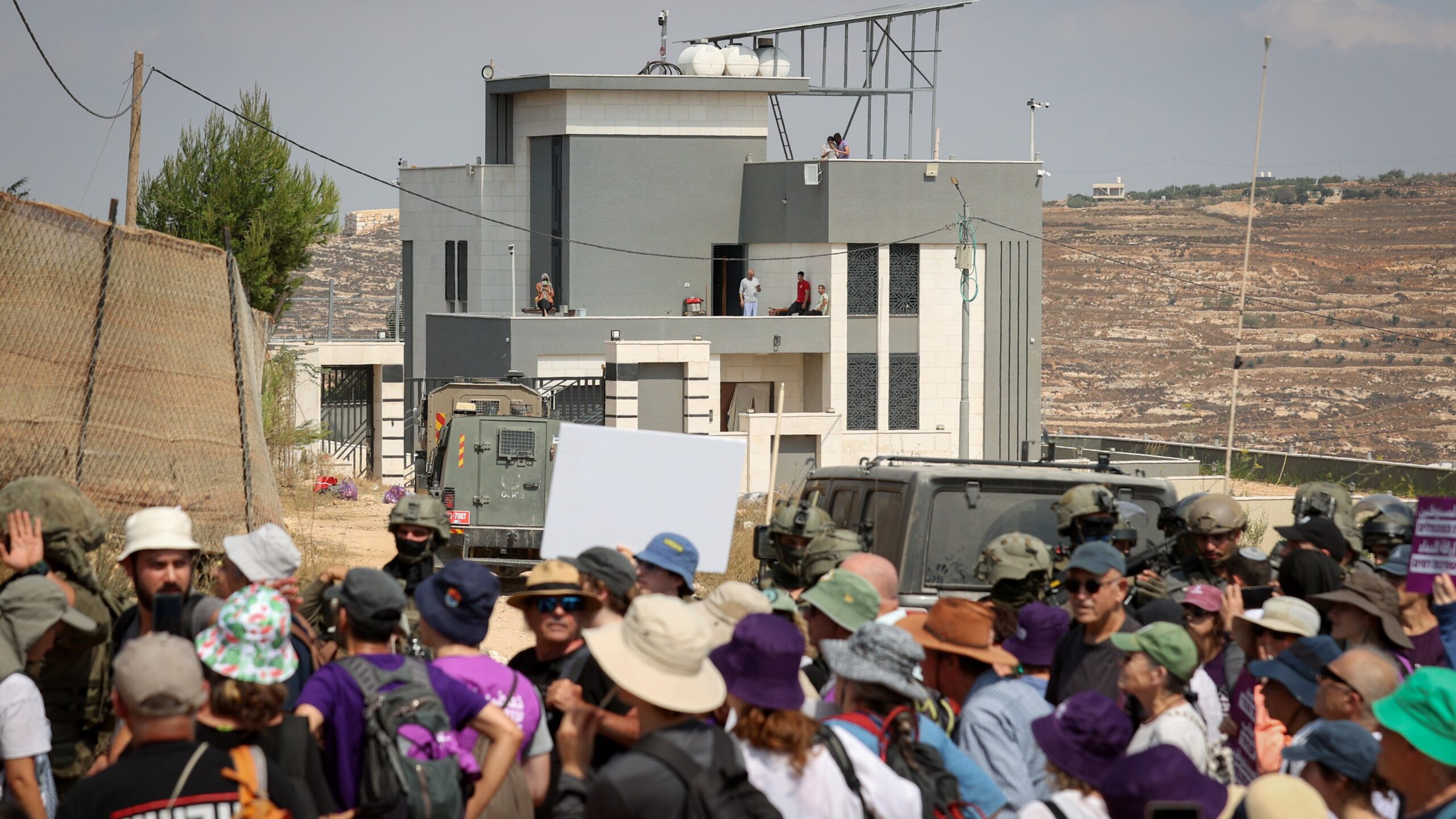
The debate over “settler violence” in Judea and Samaria is more complex than many headlines would suggest.

What may seem here like a platitude is actually a lesson that is difficult to take to heart in life. This saying touches on the human desire to have everything at once: success, security, meaning, control.
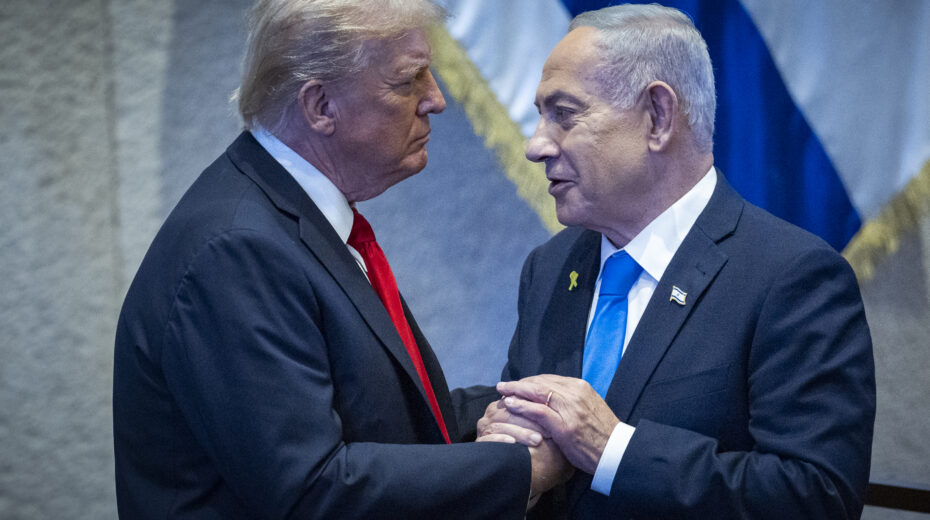
Also, polls count the Haredi parties as part of the Israeli prime minister’s bloc, but that tally may need revising.
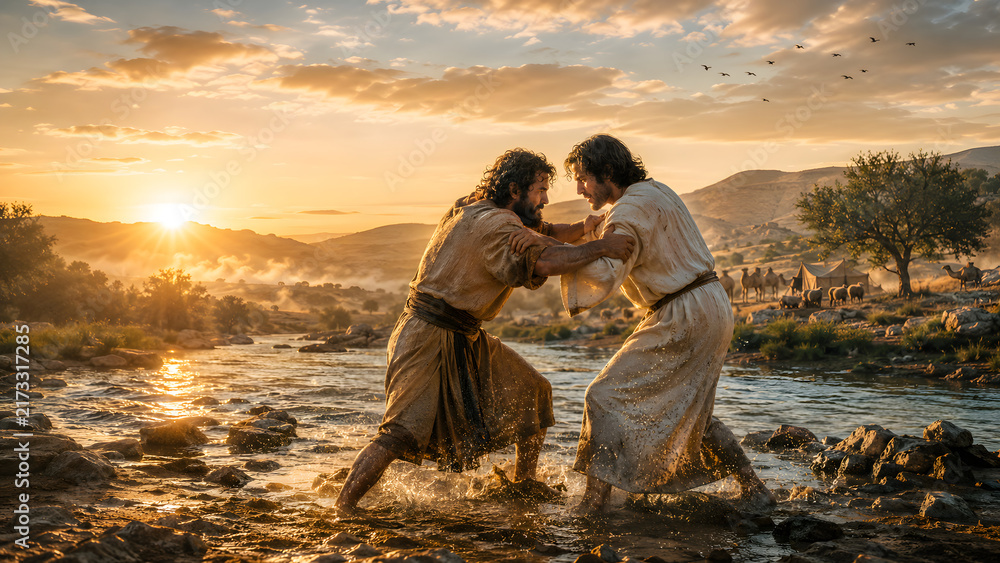
Jacob believed he had to be someone else in order to receive the blessing. But his search for his own identity was far from over. His path led him away from home – and many years later back to the crucial question: Who am I really?
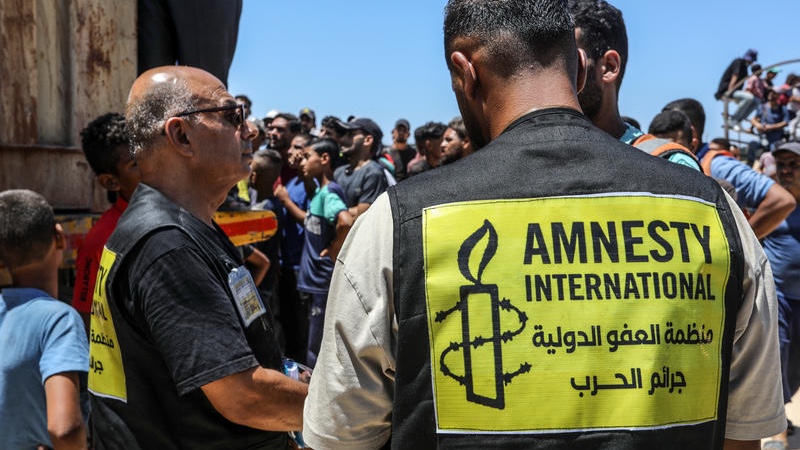
A new report on extrajudicial executions against Palestinian Arabs in Gaza doesn’t fit the narrative the two mainstream news outlets have been pushing these last three years.
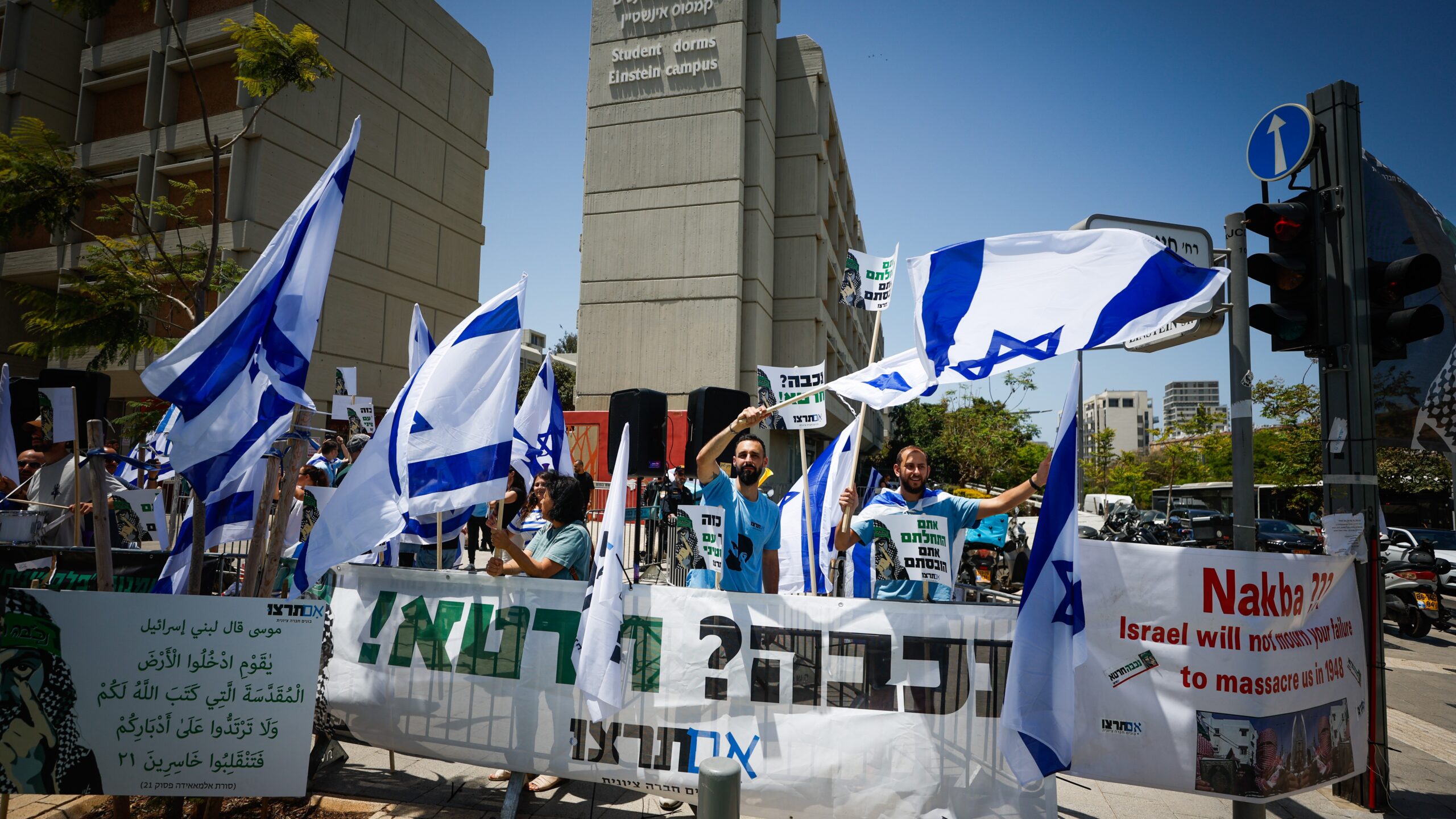
Why the Bible distinguishes between seeing, recognizing, and being seen.
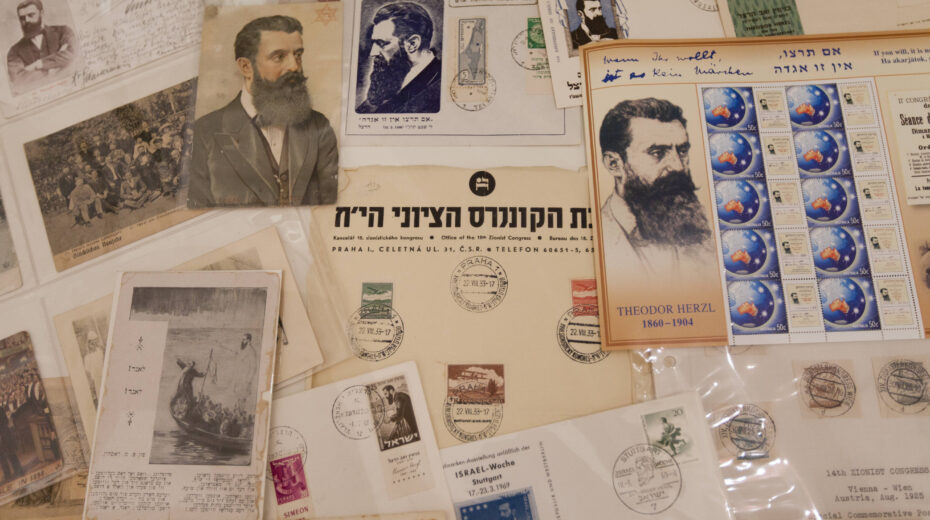
From its earliest days, the movement brought together people who differed sharply over religion, economics, politics, culture and the best path toward Jewish national renewal.
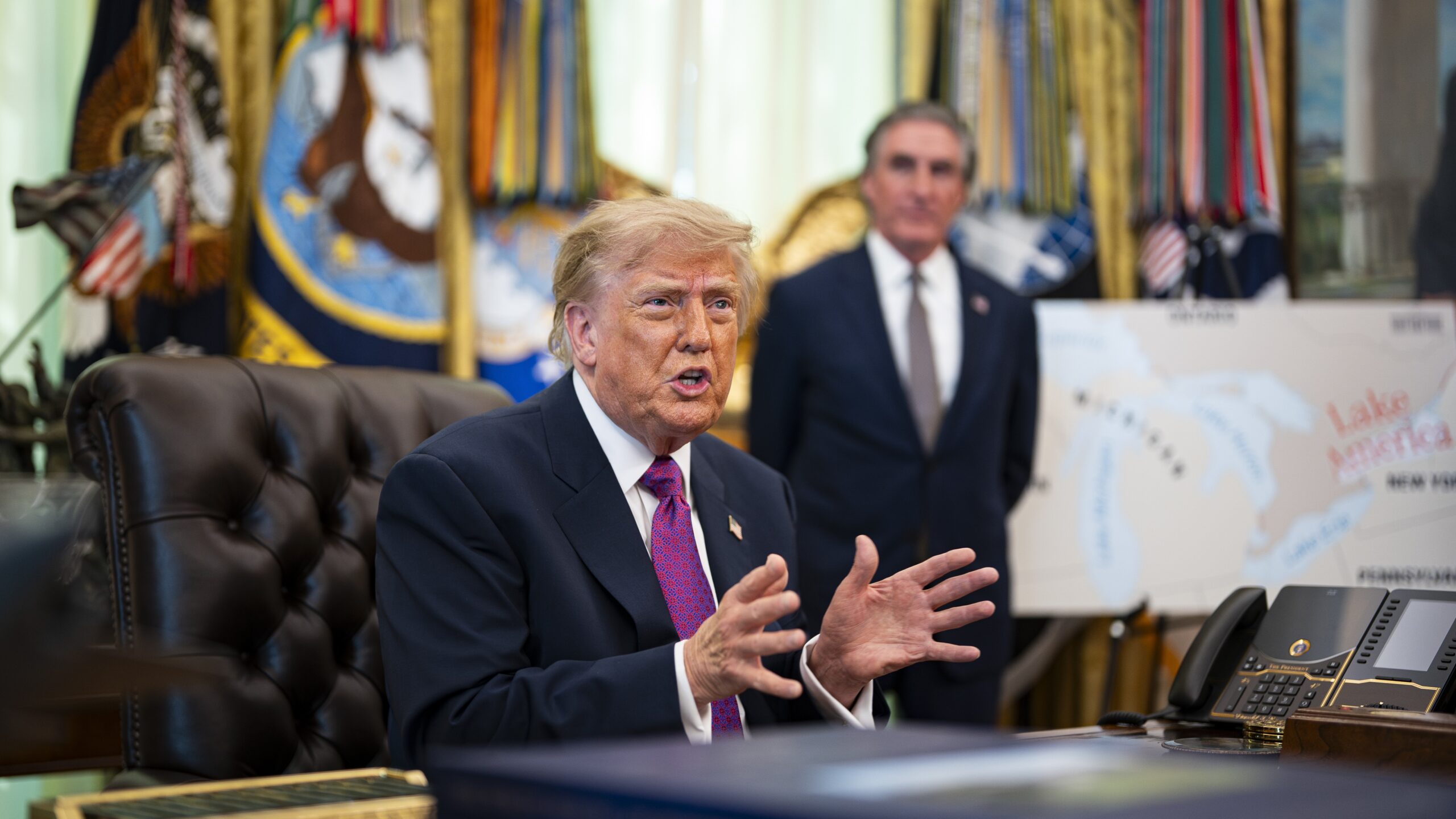
Is Donald Trump crazy, or has he understood the political world better than everyone else? He places himself above Abraham Lincoln and George Washington, presents himself as a king, pope, or Superman, and casually declares the Strait of Hormuz to be “new US territory.”