(JNS) As attention shifts from the battlefield to the long road of recovery, Israelis are beginning to speak more openly about the trauma of the war triggered by the Hamas atrocities of Oct. 7, 2023. For women, that process often unfolds differently. According to the American Psychological Association, women are twice as likely as men to experience post-traumatic stress disorder (PTSD) and are also more likely to seek help.
During Operation Iron Swords, officially named the War of Redemption by the Israeli Cabinet, many women chose silence. With hostages held in Gaza and families mourning loved ones who fell in battle, they felt that their personal trauma was insignificant by comparison.
“Women experience war very differently from men,” said Ronit Shoval, CEO of the Eden Association, a nonprofit that supports girls and women across Israel. “War is not only about combat. We wanted to look at it from many perspectives.”
Shoval pointed to the moment Israeli families were forced into bomb shelters on Oct. 7 as one of the clearest illustrations of gendered responses to crisis. “Mothers immediately took responsibility for calming children and separating them from the terror outside,” she said. “Many men searched for weapons and took on the role of defenders.”
Women also process trauma differently, she said. While men often look for practical action, women tend to seek emotional expression. Within days of the Hamas massacre, Shoval and her colleagues began asking what could be done.
“One week after Oct. 7, we sat together and asked what our contribution could be,” she recalled. “A woman from the Nova festival wanted to tell her story again and again. I realized that documenting stories was essential to healing. Trauma needs a beginning, middle and end. But history also erases women’s voices. Wars record generals, not individuals. This project became both therapy and testimony.”
Out of that realization came “October 7th-Her Story: Voices from the Frontline,” a testimony initiative that documents the experiences of female reservists and combat soldiers who fought on the battlefield to defend Israel. To date, some 80 women have shared their stories.
Video testimonies
Adi Weiss, the manager of the project, said it initially began as a podcast before shifting to video testimonies.
“We saw how important it was for these women to speak, to process their trauma on their own terms,” she said. “Trauma victims feel the need to repeat their stories. But over time, details fade or become blocked. We wanted to preserve their voices.”
Weiss added that many women who survived attacks in shelters, at Nova and on kibbutzim spoke openly about their fear of sexual assault.
“They said they feared rape more than death,” she said. “And today we know this fear affected men as well.”
When word of the project spread, women began approaching the Eden Association, wanting to participate. For many, it was the first time they told their story to anyone, including family.
“Some canceled multiple times,” Weiss said. “They wanted to speak but were afraid. Our model focuses on control. Trauma steals control. We ask questions carefully and make sure the women remain in charge of their narrative.”
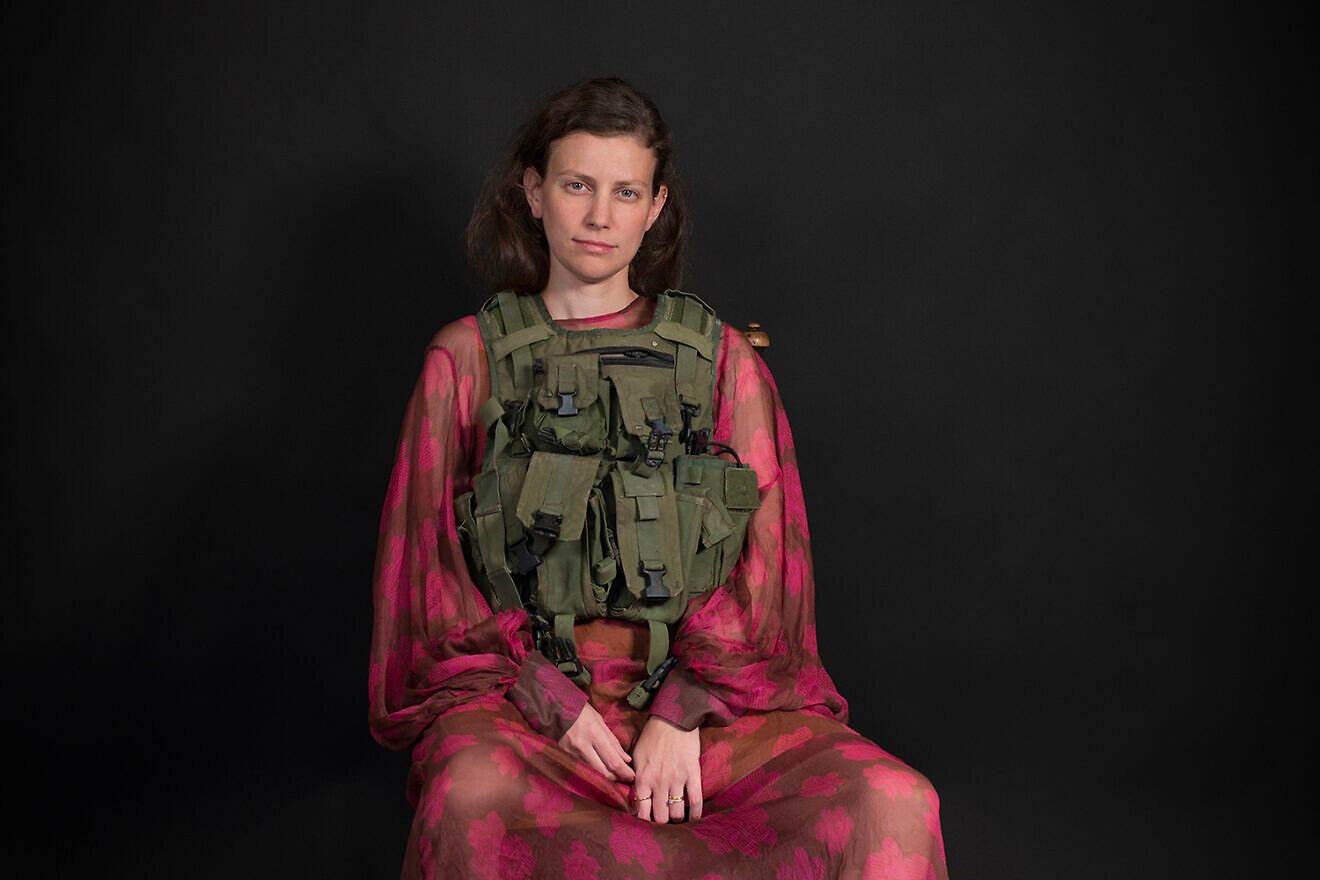
The photograph, “Equals,” featuring Liad Granovich Wiskovsky by photographer Alicia Shachaf was taken in 2025. Credit: Alicia Shachaf.
Telling their stories
The stories they shared are harrowing and powerful. Meital Feldman, an imaging specialist who served as a reservist at Camp Shura identifying casualties, described the emotional toll of her duties.
“I was dealing with death constantly,” she said. “I ran my hands over the body bags, whispering, ‘You are a hero of Israel.’ When I came home, I would scrub myself in the shower to bring back the feeling of life, because death clings to you.”
Maj. May Talker, the commander of a body recovery team at the Nova Festival site, recalled the moment that fractured her emotional defenses. “Next to one of the bodies was a phone. It rang with ‘mom’ on the screen. That was the first moment my focus broke. A mother was searching for her daughter, and I knew the truth.”
She said the war proved the quiet strength of women. “Women did powerful things, not only in combat but throughout everything that happened,” she said. “We should talk about it more.”
For female soldiers, the challenges are layered. They face combat like their male counterparts while also navigating issues of acceptance, identity and physical boundaries in overwhelmingly male units.
“They fight three battles,” Weiss said. “On the battlefield, in their personal lives and in defining who they are.”
Capt. Dr. Bar, a medical officer in the Armored Corps, described the additional pressure. “Because I am a woman, I have to prove myself more,” she said. “So I don’t complain, even when it is hard.”
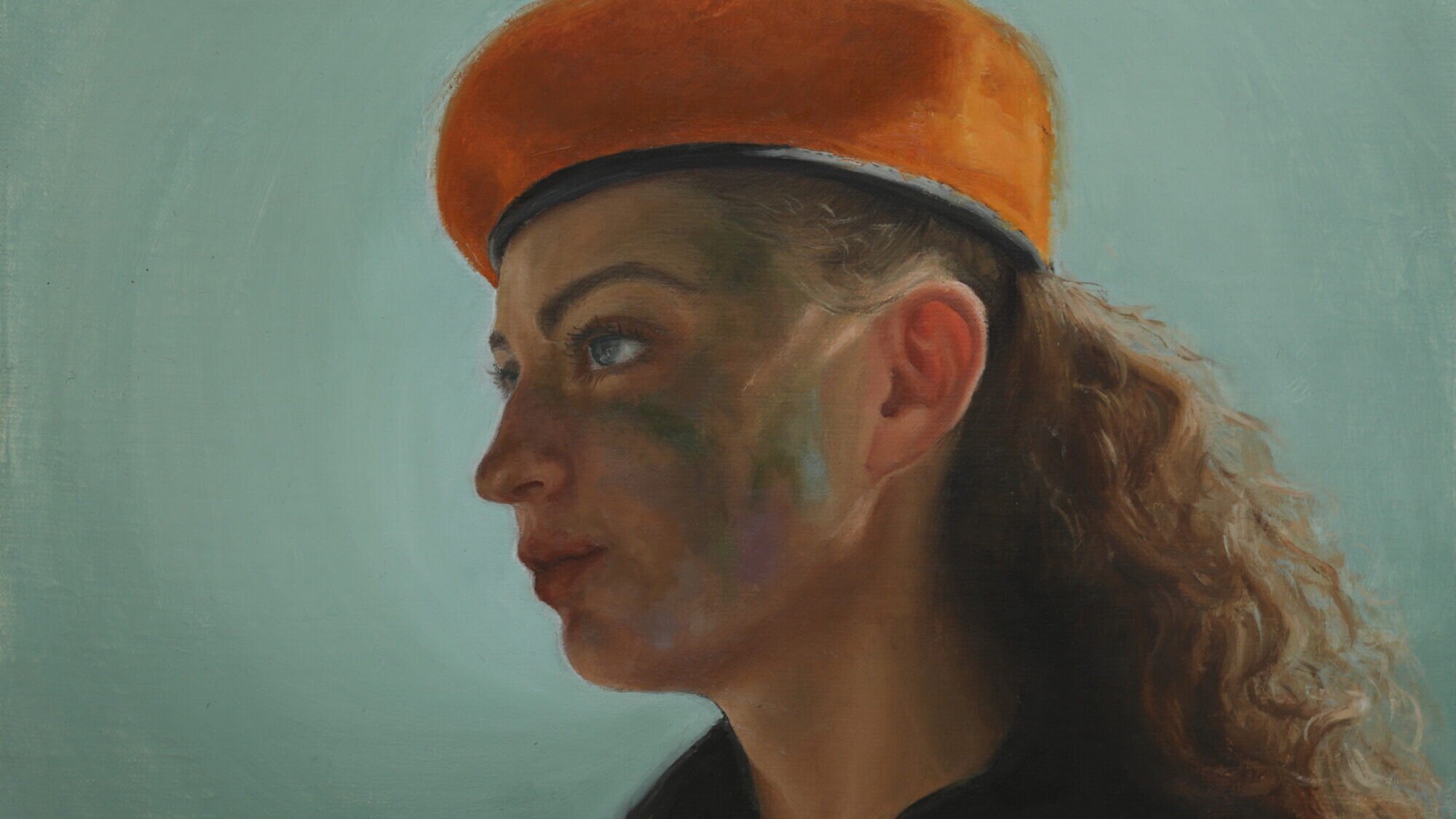
Some women found expression through art rather than words. The project has already produced three exhibitions featuring artwork and photography. Thirteen women were photographed in environments where they felt most at ease, reclaiming control over how their stories are seen.
For Shoval, the project’s meaning is clear. “This is not only documentation,” she said. “This is survival.”
Want more news from Israel?
Click Here to sign up for our FREE daily email updates