
(JNS) “Only Israel supports you.”
These words, delivered in a tone by turns mocking and threatening, were addressed by Turkish President Recep Tayyip Erdoğan to the people of Iraqi Kurdistan following their September 2017 referendum on independence, in which 93% of participants voted in favor.
Sadly, Erdoğan was correct.
It was only Israel that recognized the independence of Kurdistan. Some countries, fearful of antagonizing the regime in Ankara, fretted about process and consultation, urging the Kurds to forge a consensus with the very same states that have persecuted them so brutally. Reaction within the Middle East was even harsher, with one Palestinian leader—unfazed by the sheer hypocrisy of demanding statehood for his people while denying the same right to the Kurds—opining that “Kurdish independence would be a poisoned sword against the Arabs.”
Within days, Iraq’s armed forces forced the Kurdish leadership to cancel the results of the referendum, conquering 40% of the territory previously controlled by the Kurdistan Regional Government for good measure. A decade on, an independent Kurdish state on any of the contiguous territory across Iran, Iraq, Turkey and Syria inhabited by 25 million Kurds is nowhere on the horizon.
Yet the impulse that drove Israel to recognize Kurdish sovereignty was a laudable one. And doing so was also a direct challenge to the narrative framework that drives Western academic approaches to the region: Arab and Muslim indigenous peoples combating colonial interlopers. Israel’s action allowed for a different interpretation—that the Middle East is dominated by pan-Arabism and pan-Islamism to the detriment of its non-Arab stateless nations, like the Kurds, and its beleaguered non-Muslim national and religious minorities, among them the Druze, the Baha’is and the Yazidis.
For these groups, Israel, as an independent Jewish state thriving in a hostile region, represents a goal that they themselves are fighting to attain.
Israel’s stance on Kurdish independence was not a spontaneous reaction. It was rooted in a policy formulated during the 1950s, in the early days of the state.
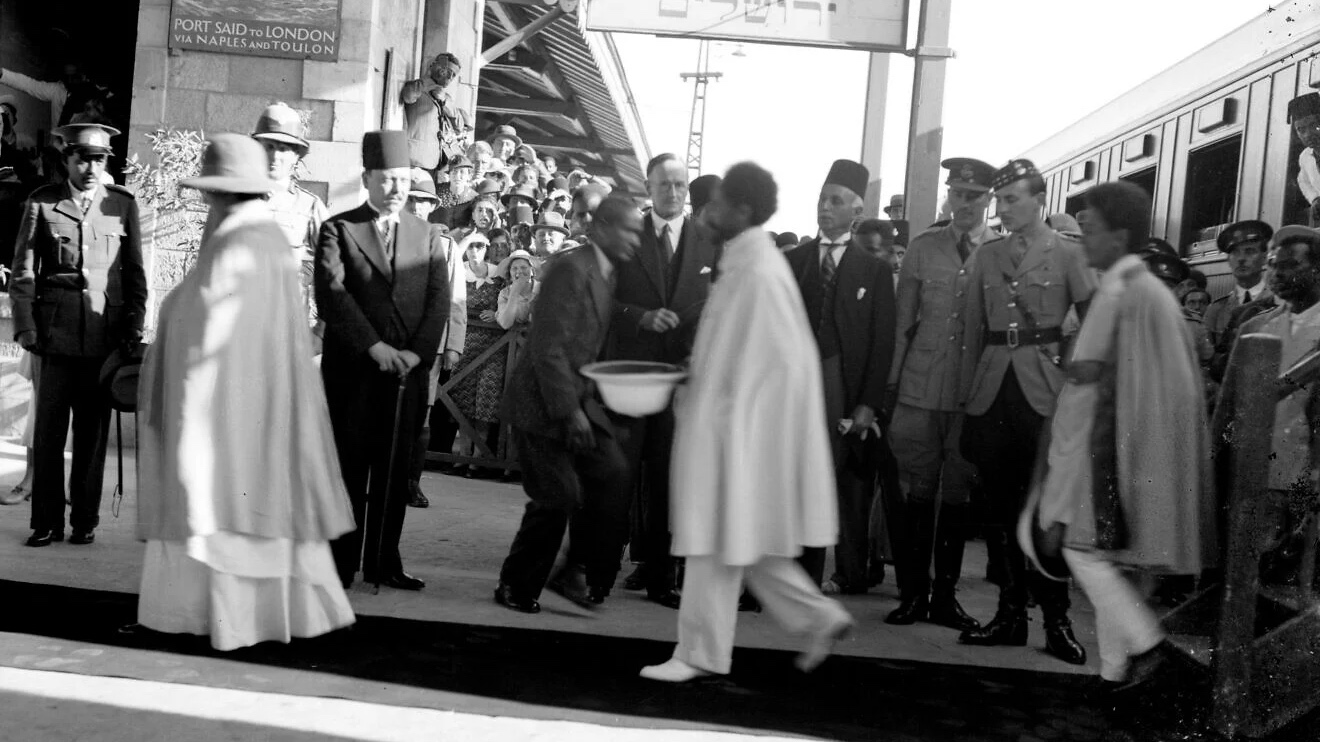
Known as the “Periphery Doctrine,” its authors were the Jewish state’s founding father and first prime minister, David Ben-Gurion, together with Eliyahu Sasson, his adviser on Middle East affairs. Examining the belligerent stance of the Arab nations toward Israel, the pair concluded that secular, non-Arab states on the periphery of the region—Turkey, Iran, Ethiopia—were Jerusalem’s natural and vital allies. The same logic extended to those groups, foremost the Kurds, who faced the same foes.
That situation has, of course, changed quite dramatically since the policy was first articulated. Turkey is no longer a secular state, but an Islamist one. The same applies to Iran, which was ruled by the Shah at the time the periphery doctrine emerged, although as the Islamic Republic now teeters on the brink of collapse, that previous relationship may yet be restored. It also applied to Ethiopia, where the Emperor Haile Selassie was overthrown by a communist regime; again, however, regime change in Addis Ababa has enhanced Ethiopian-Israeli ties in recent years.
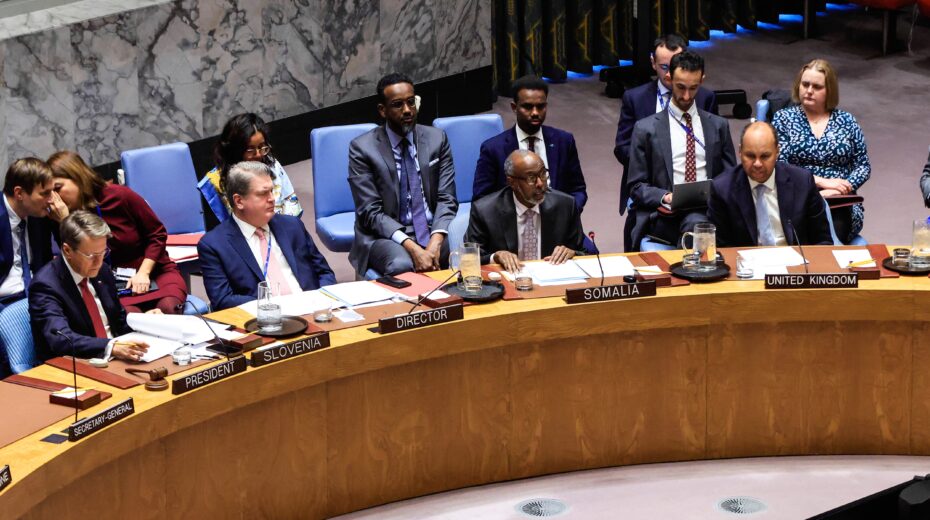
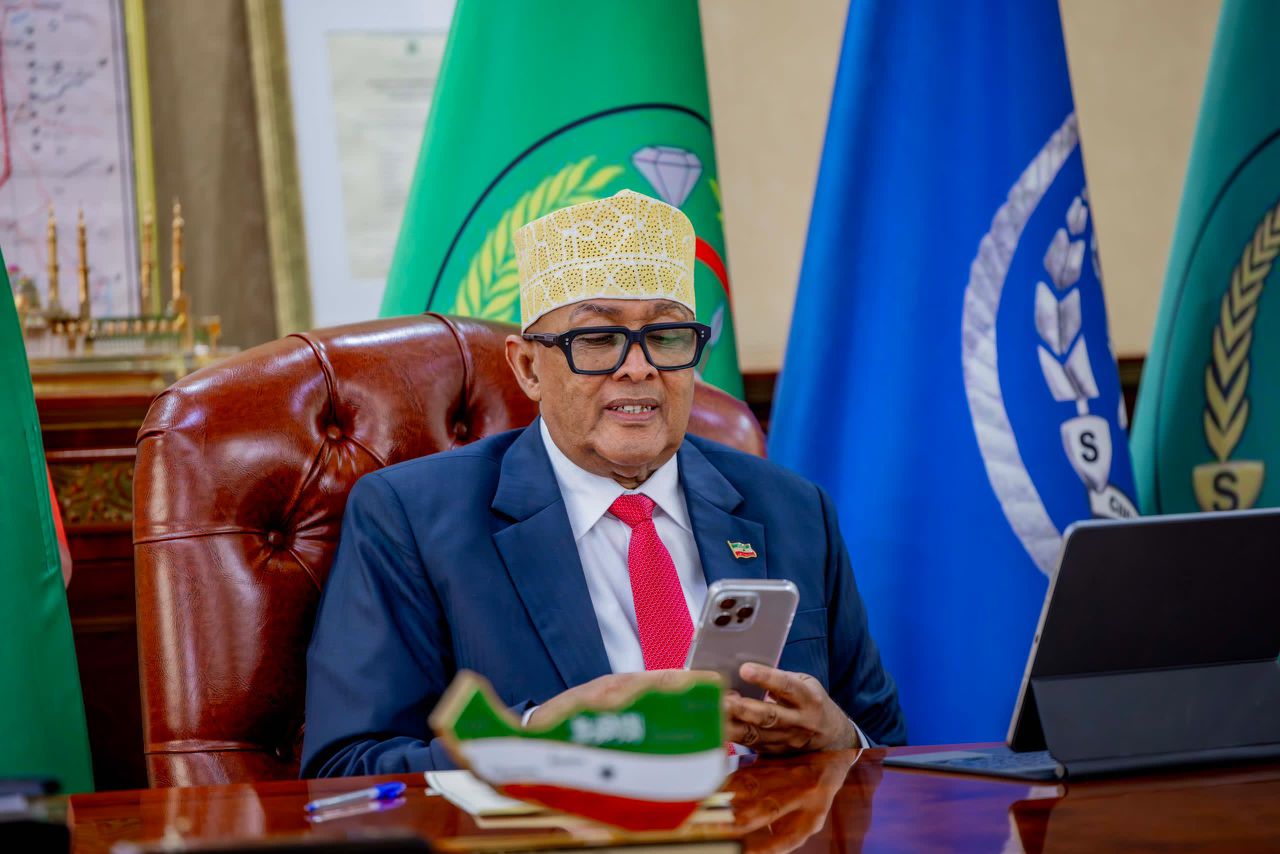
This background helps explain why Israel, as of this writing, is the only state in the world to have recognized the independence of Somaliland.
Formerly the colony of British Somaliland in the Horn of Africa, the territory was independent for less than a week in 1960 before its leaders decided to join newly independent Italian Somalia in forming the Somali Republic. That union turned out to be decidedly unequal, with the Somalilanders in the north suffering from both political and economic discrimination. During the late 1980s, under the Somali dictator Siad Barre, Mogadishu’s policy in Somaliland became openly genocidal, with up to 200,000 members of its majority Isaaq ethnic group systematically slaughtered.
In 1991, during the civil war that ousted Siad Barre’s regime, Somaliland declared independence. While the country has been an admirable island of stability and decent governance amid the horror that unfolded in the rest of Somalia, it wasn’t until December 2025 that its independence was recognized by another country, in the form of Israel. As in Kurdistan, Israel is the only country in the world to have adopted this clear-sighted position.
Yet, as in Kurdistan, the same countries, led by Turkey, have denounced Israel’s recognition as they seek to crush the aspirations of the Somalilanders. Erdoğan thundered that the Israeli decision was “illegitimate and unacceptable,” threatening that it would destabilize the surrounding region—and apparently unaware of the irony of opposing the independence of Somaliland by invoking the sovereign rights of a failed state like Somalia.
Last week, Israeli foreign minister Gideon Sa’ar traveled to Hargeisa, the capital of Somaliland, on a historic official visit. There is little doubt about the strategic value of an Israeli ally in an area that abuts the Red Sea, directly facing Yemen, where the Iran-backed Houthi rebels have waged a missile campaign targeting both Israel and international shipping heading towards the Suez Canal.
The burgeoning relationship between Israel and Somaliland also proves that Israel is not hated and isolated in the region, despite the neighboring cluster of authoritarian states insisting otherwise. Indeed, the criticism Israel has faced exposes the moral flimsiness of their campaign for the independence of the Palestinians and no one else.
The persistence of the periphery doctrine does not mean that the door to peace between Israel and the Arab states is closed. Over the last decade, the Abraham Accords forging normalization and peace between Israel, the United Arab Emirates, Bahrain, Morocco, Sudan and, most recently, Kazakhstan, have emphatically demonstrated otherwise. Nor can the doctrine be uncomplicatedly invoked; for example, Israel now confronts a tension in its policy towards Syria, where its commitment to protect the Druze minority could well jar with its efforts to reach an agreement with the Sunni Islamist regime led by Ahmed al-Sharaa.
This is why the world’s democracies, led by the United States, should stop turning a blind eye toward the abuse of Middle Eastern minorities by Arab and Islamist rulers. If peace is to break out, and if prosperity is to spread, then the Middle East must be understood according to its reality—as a mosaic of indigenous minorities and nationalities, rather than an Arabo-Islamic region compelled to tolerate the presence of a Jewish state imposed from the outside.
In that spirit, the United States should join Israel in recognizing Somaliland’s rightful independence.
Want more news from Israel?
Click Here to sign up for our FREE daily email updates