
During Passover itself, special festival readings are read, interrupting the normal weekly cycle. Immediately afterward, the cycle of weekly Torah portions resumes.
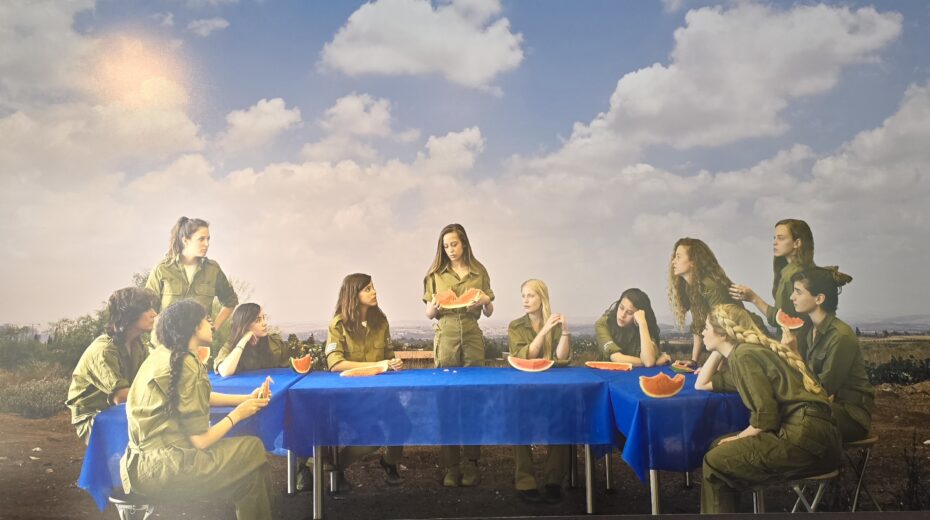
For that reason, I am taking the liberty of writing about Passover and the Last Supper.
Each year, when spring arrives and homes fill with preparations for Passover, the Jewish people return to that defining night when the Israelites left Egypt and began their journey to freedom. On that night of hurried departure, they were commanded to take a spotless lamb, slaughter it, and eat it. Its blood was placed on the doorposts and the lintel, an act that was far more than a technical procedure; it was a declaration of belonging and faith in the midst of a reality shaped by fear. “And they shall take some of the blood and put it on the two doorposts and on the lintel” (Exodus 12:7).
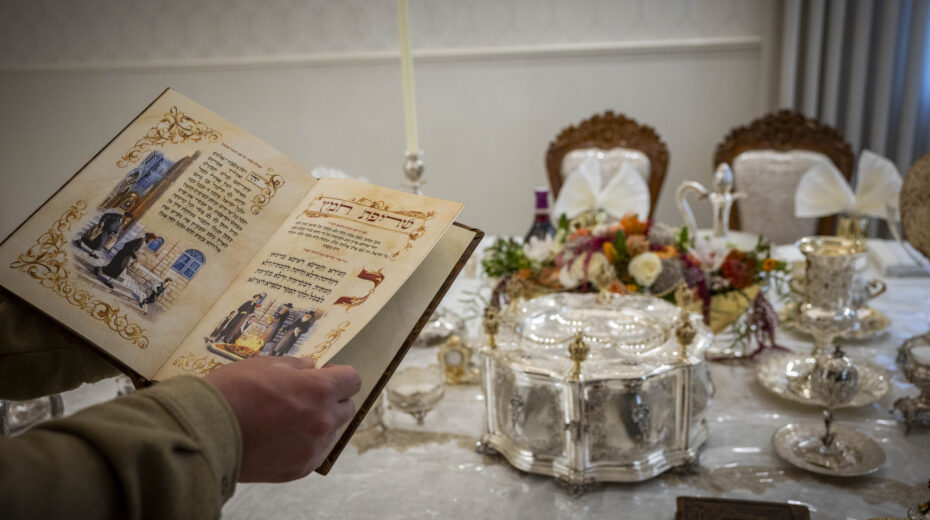
Since that night, the Passover meal has become a ritual of remembrance. Year after year, people return to the same table and retell the story of the passage from bondage to freedom. In...
Become a Member
-
Read all member content
Get exclusive in-depth reports from Israel.
-
Get exclusive in-depth reports from Israel
Connect with Israel, right from your home.
-
Lift up the voice of truth and hope
Support Jerusalem-based Zionist journalism.

Already a member? Login here.