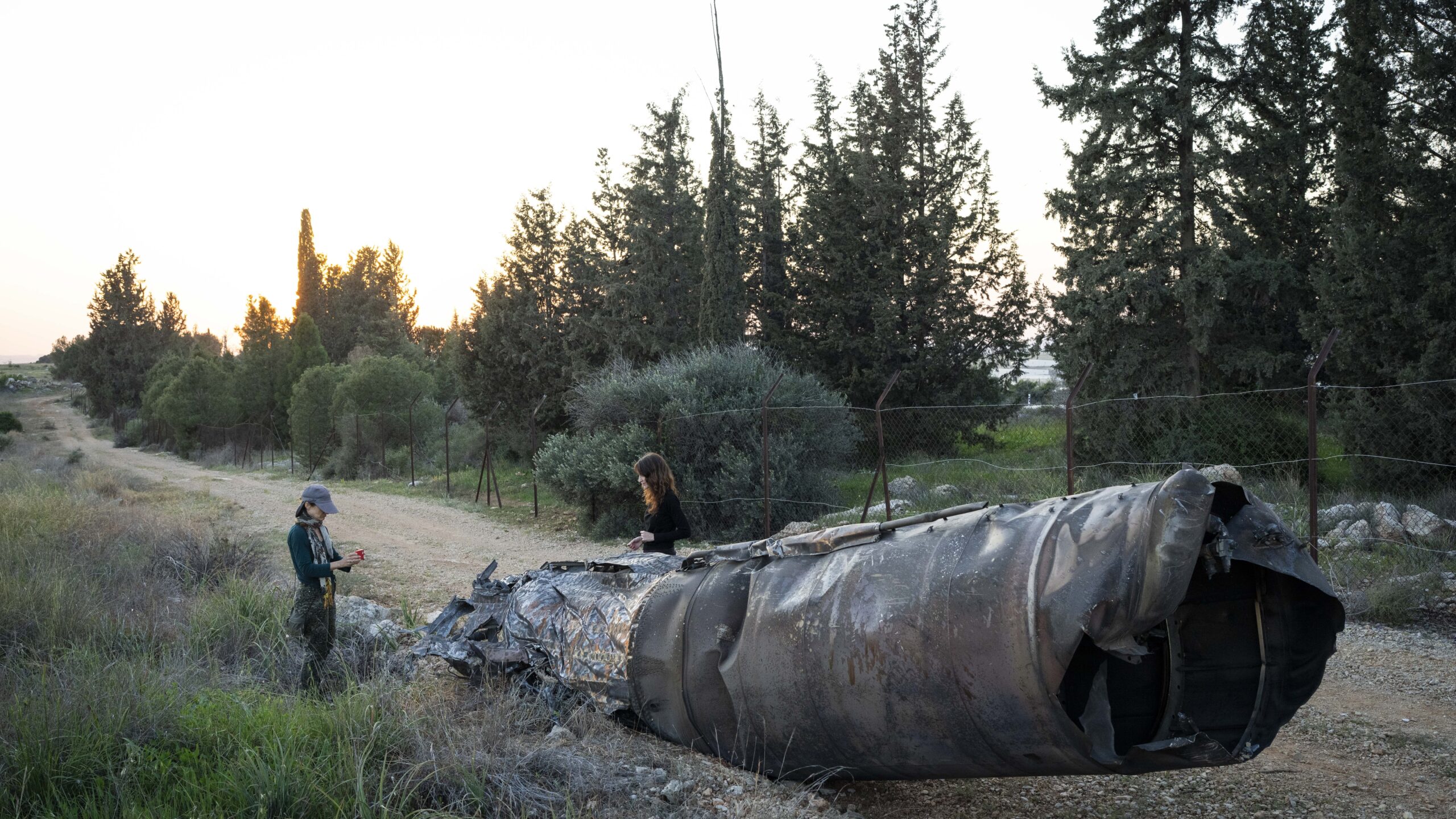

According to American intelligence assessments, Iran still possesses between 1,500 and 2,500 ballistic missiles. This is reported by the Wall Street Journal, citing American government officials. Despite American and Israeli strikes, the Islamic Republic still has enough missiles to pose a significant threat to Israel and American military bases in the Middle East.
The estimates, however, come with considerable uncertainty. American intelligence officials stated that it is difficult to determine how many missiles are actually operational and how many remain in storage. Nevertheless, there is no doubt that Iran continues to maintain a substantial missile arsenal.
Iran rebuilds its missile arsenal
According to American intelligence officials, Iran has already begun restoring its missile production, which was damaged by the strikes. Tehran is primarily drawing on components that were stockpiled before the war.
Production is currently running more slowly than before the fighting began. A Western intelligence official estimated to Bloomberg that Iran is now capable of producing around 50 ballistic missiles per month. That is approximately half of its previous production capacity.
Israeli military officials also believe that Iran still possesses more than 1,500 ballistic missiles. In addition, there are large stockpiles of drones and short-range missiles.
According to Simone Ledeen, a former senior official at the American Defense Department, even the lowest estimate of 1,500 missiles would mean that Iran once again has more than half of its estimated pre-war stockpile.
Iran has also unveiled a new underground missile facility. The Iranian Revolutionary Guards released footage of the installation, which they described as another so-called missile city. The claims about its scope cannot be independently verified.
New findings contradict Trump’s statements
The American intelligence reports stand in contrast to earlier statements by US President Donald Trump. He had repeatedly claimed that Iranian forces, and in particular the missile program, had been largely destroyed by the joint strikes.
Israeli Prime Minister Benjamin Netanyahu had also highlighted the military successes against Iran’s missile program, stating that Tehran was running out of missiles.
The new assessments, however, show that Iran continues to possess significant military capabilities.
An Israeli government official told the Wall Street Journal that Tehran is rebuilding its forces and preparing for another serious confrontation.
The findings also play a role in the American government’s deliberations on how to proceed against Iran. While Israel is pushing for further military action, Washington has so far relied primarily on economic pressure, sanctions, and a blockade.
Several American allies in the Persian Gulf have spoken out against a resumption of major hostilities. They fear new Iranian attacks on their countries.
According to Israeli media, Mossad chief Roman Gofman traveled to Washington for talks with American government officials. These discussions are said to have also addressed possible further measures against Iran.
How reliable are the intelligence figures?
The actual size of Iran’s missile arsenal remains unclear. Jim Lamson, a former CIA analyst and Iran expert at King’s College London, stated that the secrecy of the Iranian military makes a reliable stocktake difficult.
In addition, even the estimates of Iran’s missile stockpiles before the war varied considerably. This also makes it difficult to determine how many missiles were actually destroyed in the strikes.
According to earlier reports by the Wall Street Journal, American and Israeli strikes had also damaged access points to underground missile storage facilities. However, later satellite imagery suggested that Iran has since regained access to some of these installations.
An Israeli government official believes that many of the missiles stored there may have survived the strikes undamaged.
Want more news from Israel?
Click Here to sign up for our FREE daily email updates