
(JNS) The most consequential political decision of my childhood was one I never had the chance to make. In 1979, I was a girl in Iran, watching a revolution reorder the country whose future would become my own. I had no vote, no influence over the men promising liberation, and no way to imagine how thoroughly their victory would shape the lives of women like me.
Forty-seven years later, as Americans prepare for the Nov. 3 midterm elections, I return to that childhood not to predict another Iran, but to explain a distinction no free society can afford to forget: the difference between protecting religion and allowing religion to govern the rights of others.
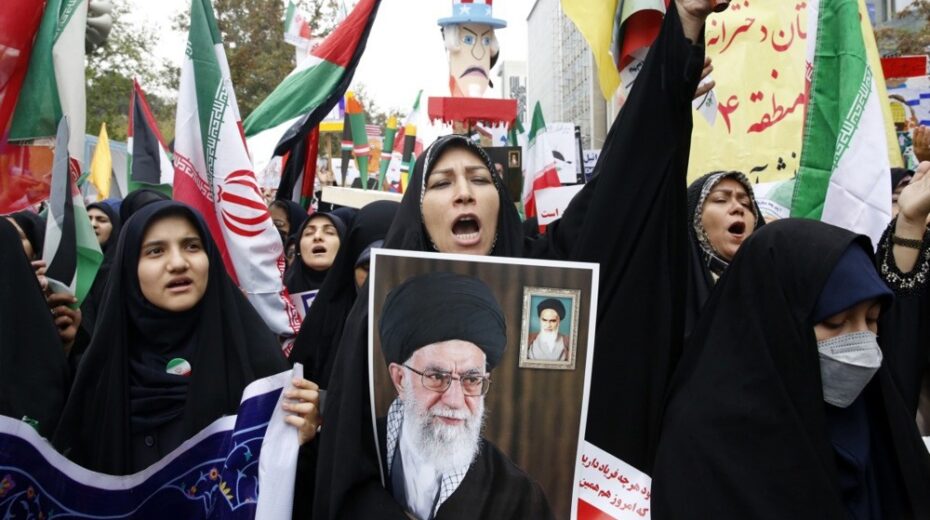
Iran’s revolution brought together liberals, nationalists, leftists, Islamists and ordinary citizens opposed to the monarchy. Their aspirations were not identical. Some wanted independence, others justice, others democracy. Yet from those competing ambitions emerged a system in which Ayatollah Ruhollah Khomeini’s interpretation of religious authority acquired supremacy over elected institutions. Under velayat-e faqih, the guardianship of the Islamic jurist, the state claimed an authority that ordinary citizens could neither...
Become a Member
-
Read all member content
Get exclusive in-depth reports from Israel.
-
Get exclusive in-depth reports from Israel
Connect with Israel, right from your home.
-
Lift up the voice of truth and hope
Support Jerusalem-based Zionist journalism.

Already a member? Login here.