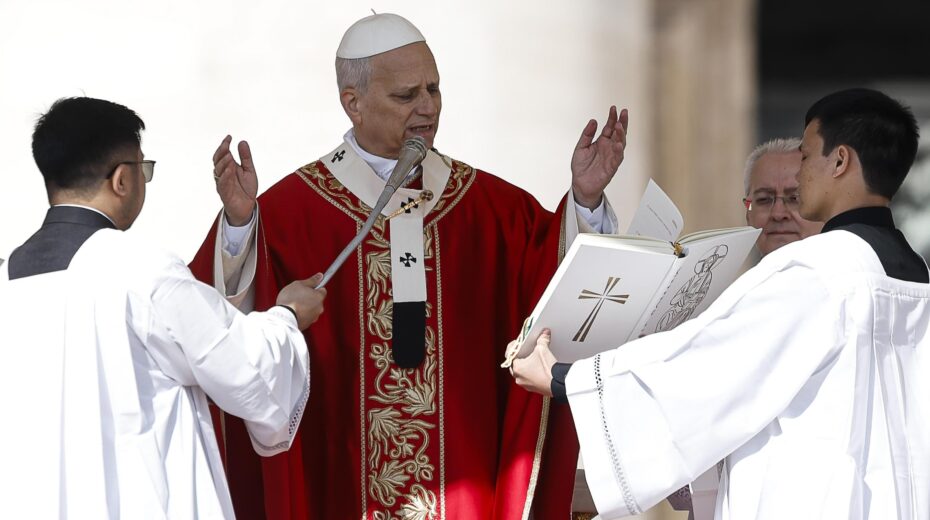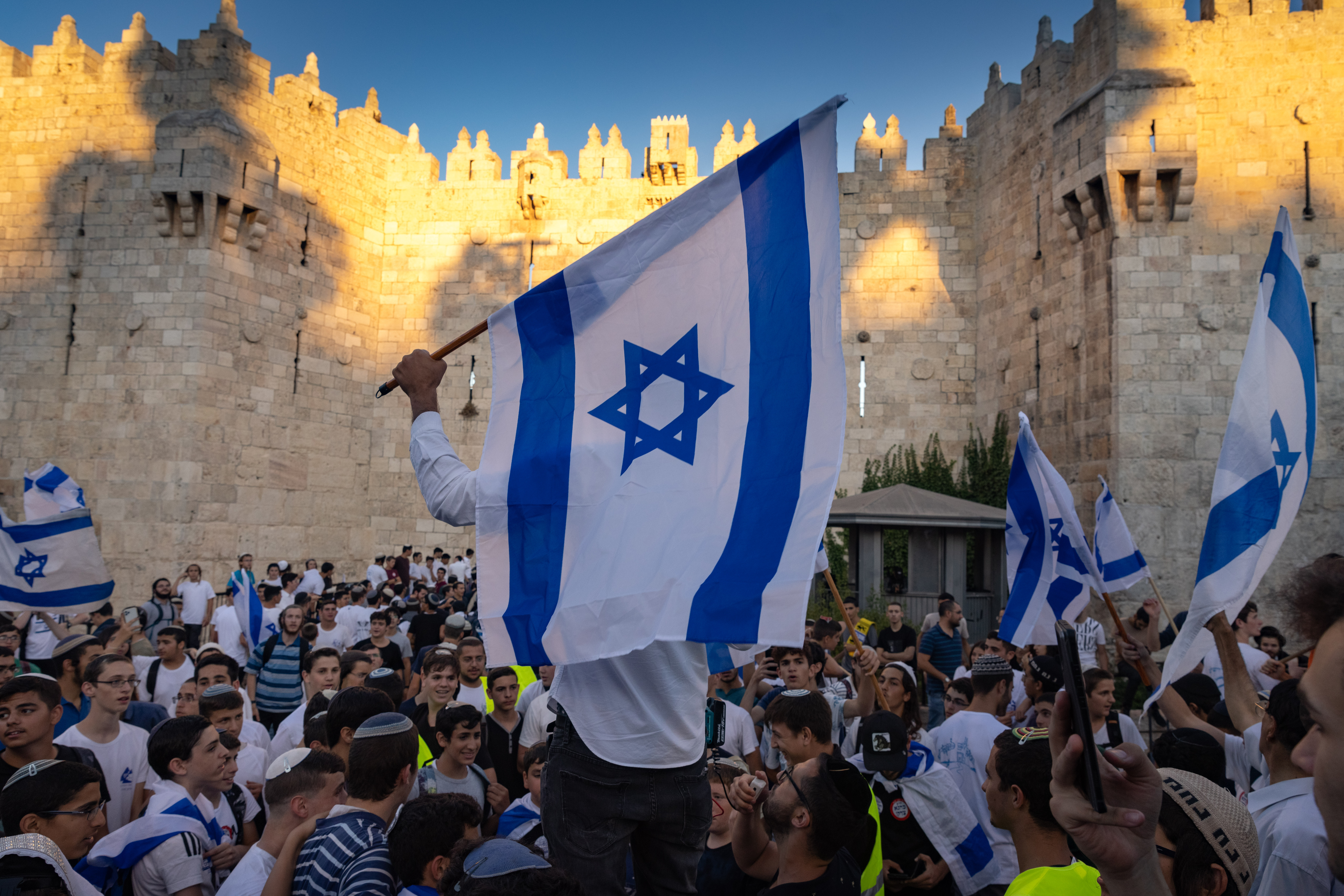

The Catholic Church did this for centuries through so-called replacement theology, which holds that God’s promise passed to the Church, while the Jewish people were marginalized and persecuted. Today, a similar pattern is repeating itself—this time from the Arab-Islamic side. The Palestinians, with Hamas at the forefront, lay claim to biblical Israel and link this claim to the goal of destroying the Jewish state.
Perhaps this explains why Western Europe and Muslim migrants today protest against Israel together. Both sides are pursuing the same aim: to take the place of the Jewish people in the Land of Israel. One seeks to replace Israel as the chosen people theologically; the other seeks to replace the biblical people territorially in the land. But why is this so? Does the drive to displace Israel not already begin in the Bible? Do we not find it with Lot, Ishmael and Esau? The pattern repeats itself to this day. Is Europe’s stance driven by conscious intent, or are old Christian myths unconsciously still at work in the cultural memory? Is Israel today deliberately...
Become a Member
-
Read all member content
Get exclusive in-depth reports from Israel.
-
Get exclusive in-depth reports from Israel
Connect with Israel, right from your home.
-
Lift up the voice of truth and hope
Support Jerusalem-based Zionist journalism.

Already a member? Login here.