Adherence to the covenant with God as Israel’s highest priority? An analysis of blessings through commandments and the deadly danger of a separation of state and religion in the Jewish state.
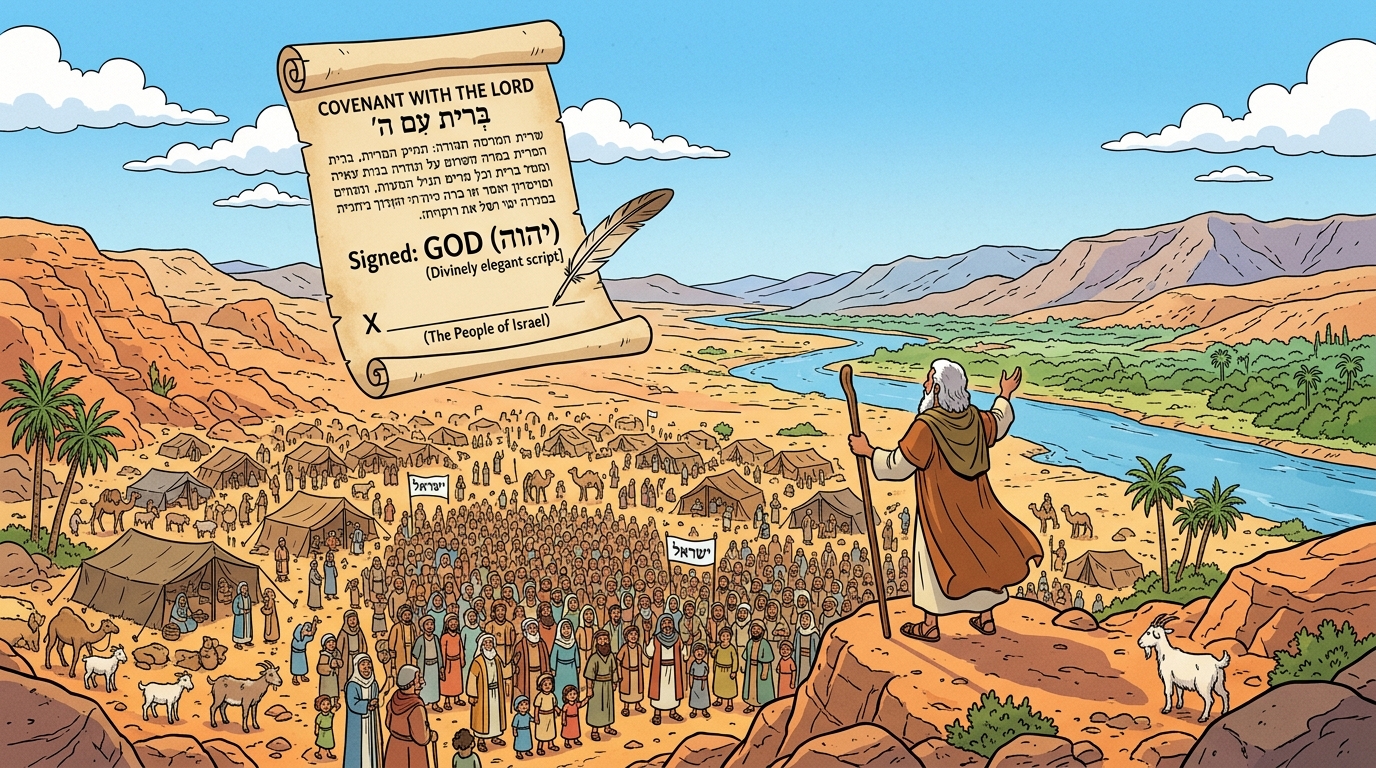
Adherence to the covenant with God as Israel’s highest priority? An analysis of blessings through commandments and the deadly danger of a separation of state and religion in the Jewish state.

One of the verses in the Parasha Ki Tavo, which one can hardly read past without pausing, reads: “Because you did not serve the LORD your God with joy and with a glad heart.”

Throughout thousands of years of history after Moses’ time, these chapters confirm that God’s words are exactly as stated and will never pass away.
Gaining maturity to interpret the lifegiving depths of the Torah of God must be the aim of every one of us.
The world has not learned from the history of Israel, who desired a king to lead them, establishing a central place of government that led to corruption and downfall.
Every Friday evening, during Kiddush, just before we break the challah bread, there is a little moment that I particularly love.
The magnificence of God, at the climax of His redemptive purposes, was to ensure that both the detail of Torah and His overall purpose were fulfilled through His Son.

The more I read this parashah, the clearer it becomes to me: Moses is not afraid of prosperity. Prosperity is a blessing. It is a gift from God.
From Moses to Messiah, Scripture reveals that God’s love is never passive, but fulfilled in action through covenant, obedience, and the self-giving sacrifice of Yeshua.

God speaks to us constantly. The only crucial question is: Are we ready to listen to him?