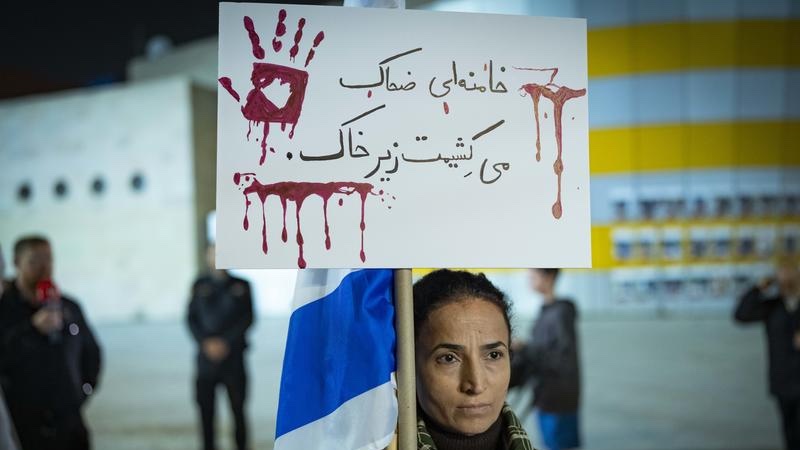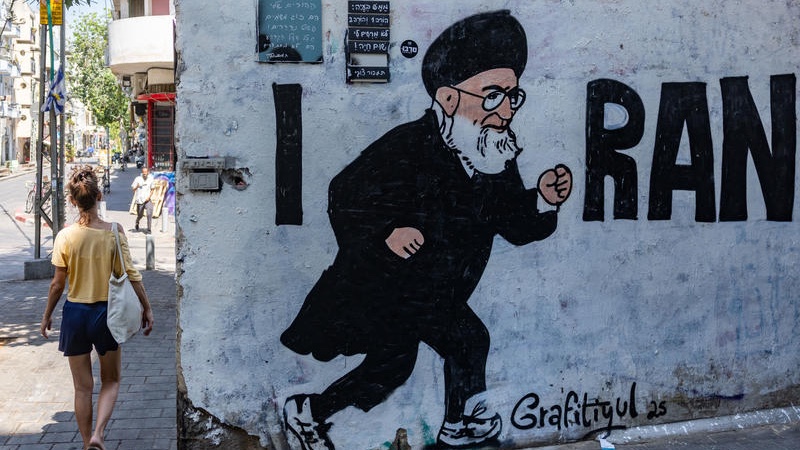

The war may have paused—but it has not ended.
From Tehran to Beirut, signs are mounting that Iran and its proxies are preparing for the next round, even as international actors push ceasefire frameworks and postwar reconstruction plans.
Speaking to Al Jazeera on Saturday, Iranian Foreign Minister Abbas Araghchi made clear that Tehran is not backing down. While Iran is willing to engage in discussions about its nuclear program, it refuses to even consider limiting its missile arsenal.
“There will be no negotiations on our missile program,” Araghchi said. “It would be foolish if one hands over his weapons.”
That message came just days after Iran formally exited the 2015 nuclear agreement, known as the Joint Comprehensive Plan of Action (JCPOA), following the expiration of its 10-year terms. Iran has since cut off cooperation with the IAEA and dismissed Western sanctions as illegitimate.
The backdrop to these developments is not theoretical. Iran is speaking after a real war—a 12-day confrontation with Israel in June that saw Israeli and US airstrikes devastate Iranian nuclear sites at Fordow, Natanz, and Isfahan. Araghchi confirmed that nuclear material remains “buried under the rubble,” but insisted Iran’s technological capability remains intact.
“We have gained a lot of experience from the recent war and tested our missiles in a real battle,” he said, warning that any future Israeli attack “will come with dire consequences.”
Meanwhile, to Israel’s north, the picture is no less volatile.
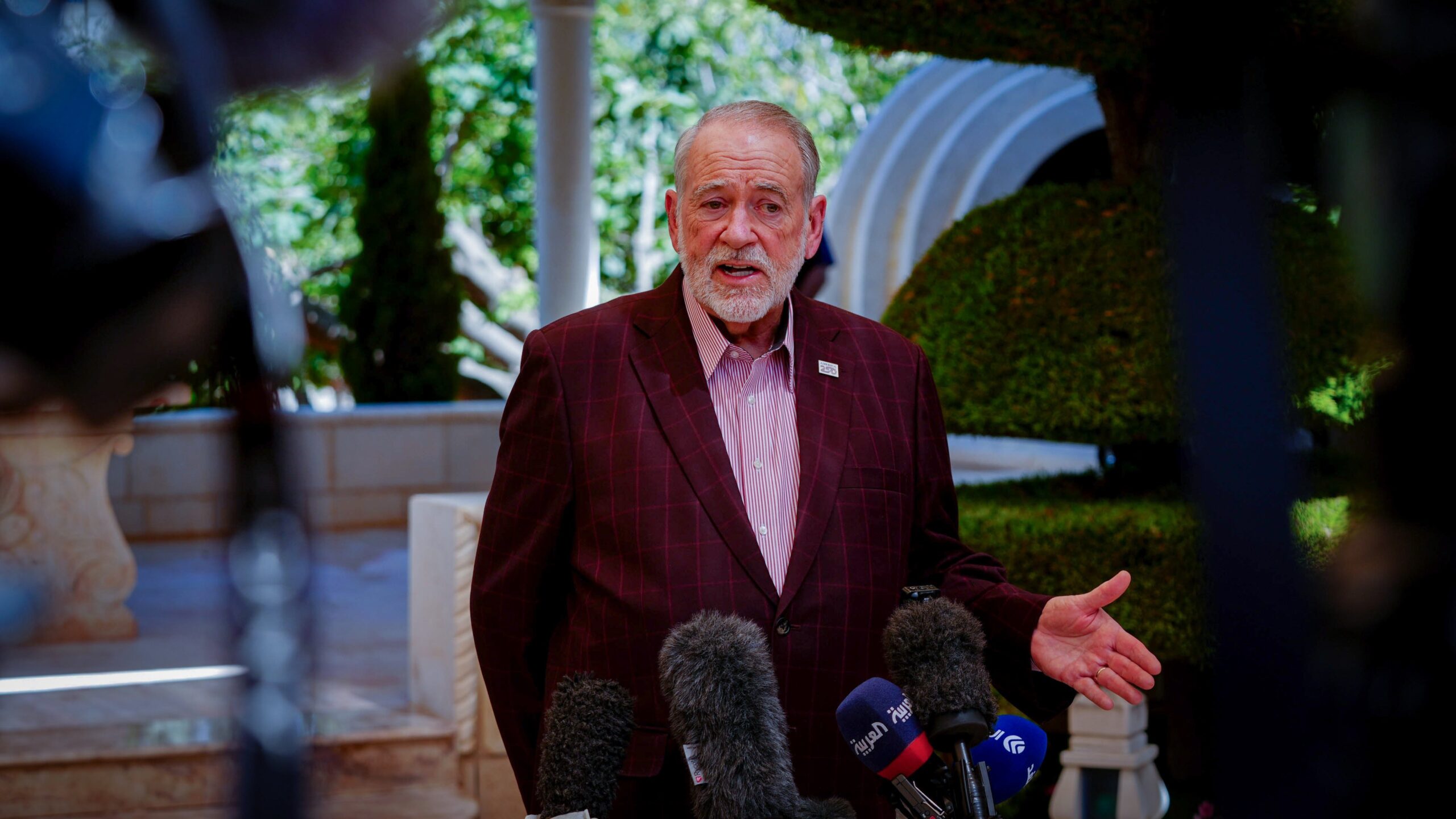
Hezbollah, the Iranian proxy in Lebanon, is rearming fast, according to US Special Envoy for Syria and Ambassador to Turkey Tom Barrack. Speaking at the IISS Manama Dialogue in Bahrain, Barrack said Hezbollah retains a force of 40,000 fighters and up to 20,000 missiles.
Despite last year’s devastating Israeli strikes that decapitated much of Hezbollah’s leadership, the group has reestablished control in southern Lebanon and along the Bekaa Valley, where it continues to operate with impunity.
Lebanon is a “failed state,” Barrack said bluntly. “It has no central bank. The banking system is bust. If you want electricity, you need a private generator. You want water, you need private water. You want education, you need private education. You go south, Hezbollah gives you water, it gives you an education, it gives you a stipend.”
The Lebanese Armed Forces, by contrast, are underfunded and under-equipped. “Hezbollah soldiers make $2,200 a month, while LAF soldiers make $275 a month. … [Hezbollah has modern equipment and] LAF soldiers are driving old Jeeps [with] MK-47s,” Barrack noted. “So which army is which?”
According to Barrack, Israel cannot afford to withdraw from the strategic border points it seized during the 2024 war with Hezbollah, given the intelligence showing active rearmament efforts.
Analysis: While Western diplomats push for “postwar frameworks” and ceasefire implementation, Iran and Hezbollah are already building for the next war. Nuclear programs are being patched, missiles are being restocked, and proxies are positioning.
Israel may have won the last round—but its enemies are already preparing for the next one.
This is not a peace. It is an intermission.
Want more news from Israel?
Click Here to sign up for our FREE daily email updates