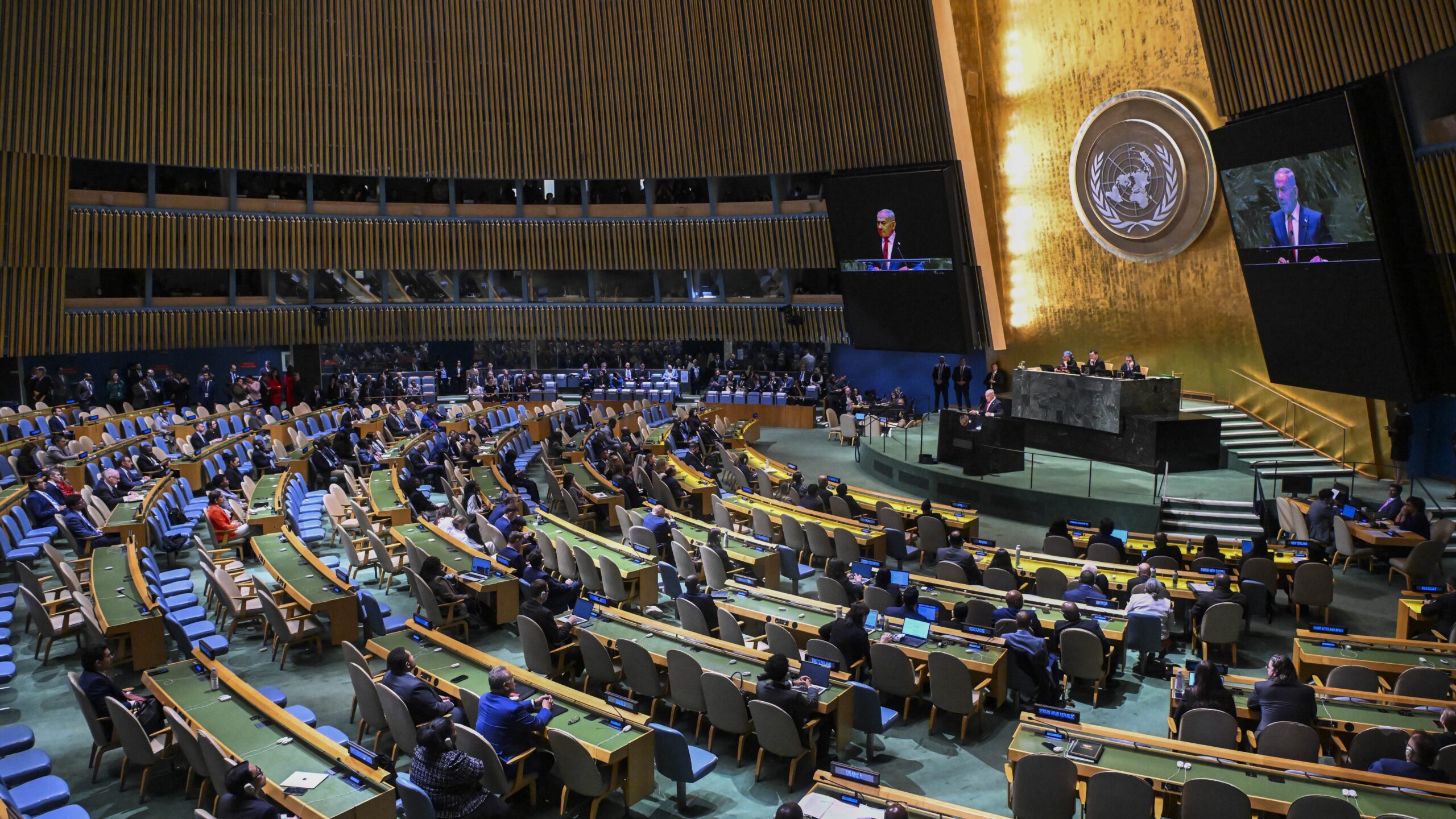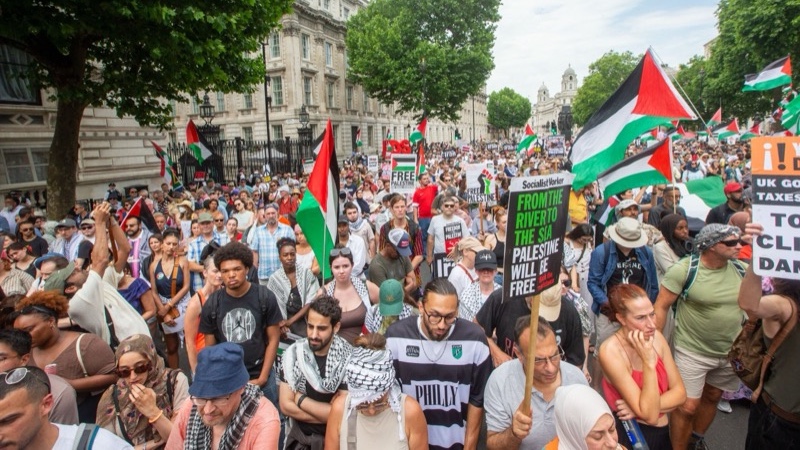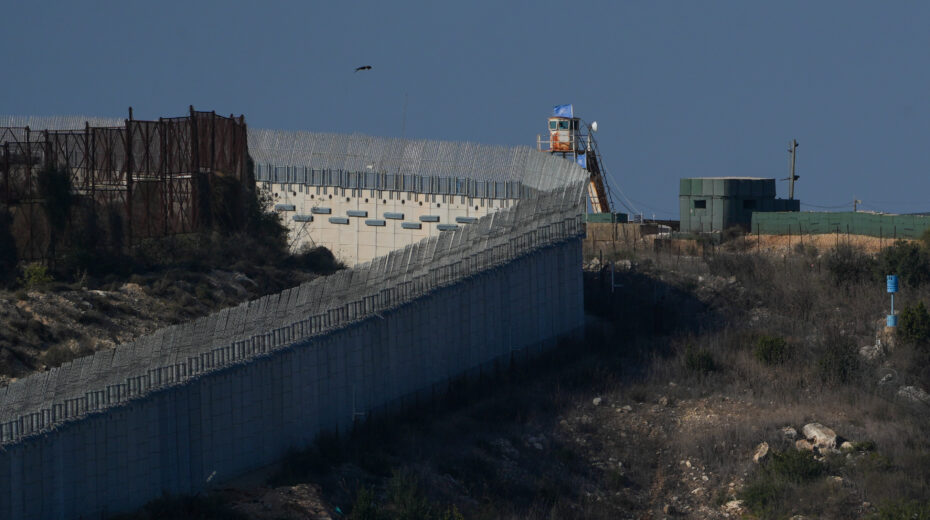

Recent reports from Lebanon paint a picture of a fundamental strategic shift that Israeli Prime Minister Benjamin Netanyahu is expected to present to US President Donald Trump in Washington in the near future. At its core is a plan to reorganize southern Lebanon, no longer treating the area south of the Litani River as a homogeneous territory but dividing it into three functional security zones. This approach is far more than a local tactical measure; it signals a paradigm shift in Israeli security doctrine, with clear parallels to the approach in the Gaza Strip and along the Syrian border. The trauma of October 7 destroyed the political illusion that evil on one’s own border could be managed. Israel is now returning to the harsh biblical logic: Whoever tolerates the enemy as a direct neighbor instead of decisively pushing him back will keep “thorns in your eyes” and “thorns in your sides”—a warning that has proven true in blood. The model of the three lines: A new geography of security
Become a Member
-
Read all member content
Get exclusive in-depth reports from Israel.
-
Get exclusive in-depth reports from Israel
Connect with Israel, right from your home.
-
Lift up the voice of truth and hope
Support Jerusalem-based Zionist journalism.

Already a member? Login here.