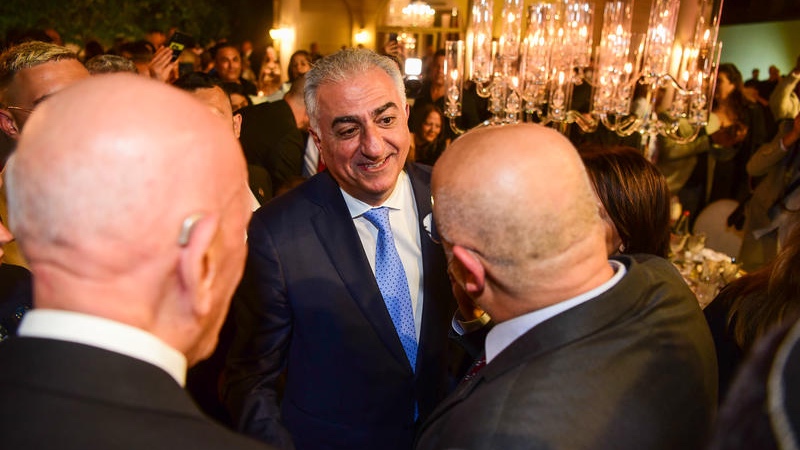

Exiled Iranian Crown Prince Reza Pahlavi, the son of the last Shah, has issued a bold vision for a post-regime Iran amid the ongoing nationwide protests that have gripped the country for weeks. In a recent video message delivered in English with Farsi subtitles and shared widely on social media, Pahlavi outlined a dramatic shift in Iran’s foreign policy should the Islamic Republic collapse, pledging immediate recognition of Israel and an end to Tehran’s support for terrorism and its nuclear weapons program.
Pahlavi, who has emerged as a prominent voice of opposition from his home in the United States, described the current regime under Supreme Leader Ayatollah Ali Khamenei as one that has transformed Iran into a symbol of “terrorism, extremism, and poverty.” He contrasted this with what he called the nation’s true historical identity—a peaceful, prosperous, and culturally rich country that existed before the 1979 Islamic Revolution. “The real Iran is a different Iran,” he stated, expressing confidence that it would “rise again from the ashes” once clerical rule ends.
To all of our friends around the world,
Under the yoke of the Islamic Republic, Iran is identified in your minds with terrorism, extremism, and poverty. The real Iran is a different Iran. A beautiful, peace-loving, and flourishing Iran.
It is the Iran that existed before the… pic.twitter.com/IhK6ZRYDY0
— Reza Pahlavi (@PahlaviReza) January 15, 2026
Central to his message was a commitment to regional peace and global responsibility. Pahlavi declared that a “free Iran” would immediately cease its nuclear military program and halt all backing for proxy militant groups. Instead, the country would position itself as a stabilizing force, working alongside regional and international partners to combat terrorism, organized crime, drug trafficking, and extremist ideologies. He emphasized normalized ties with the United States and explicit recognition of Israel as key priorities.
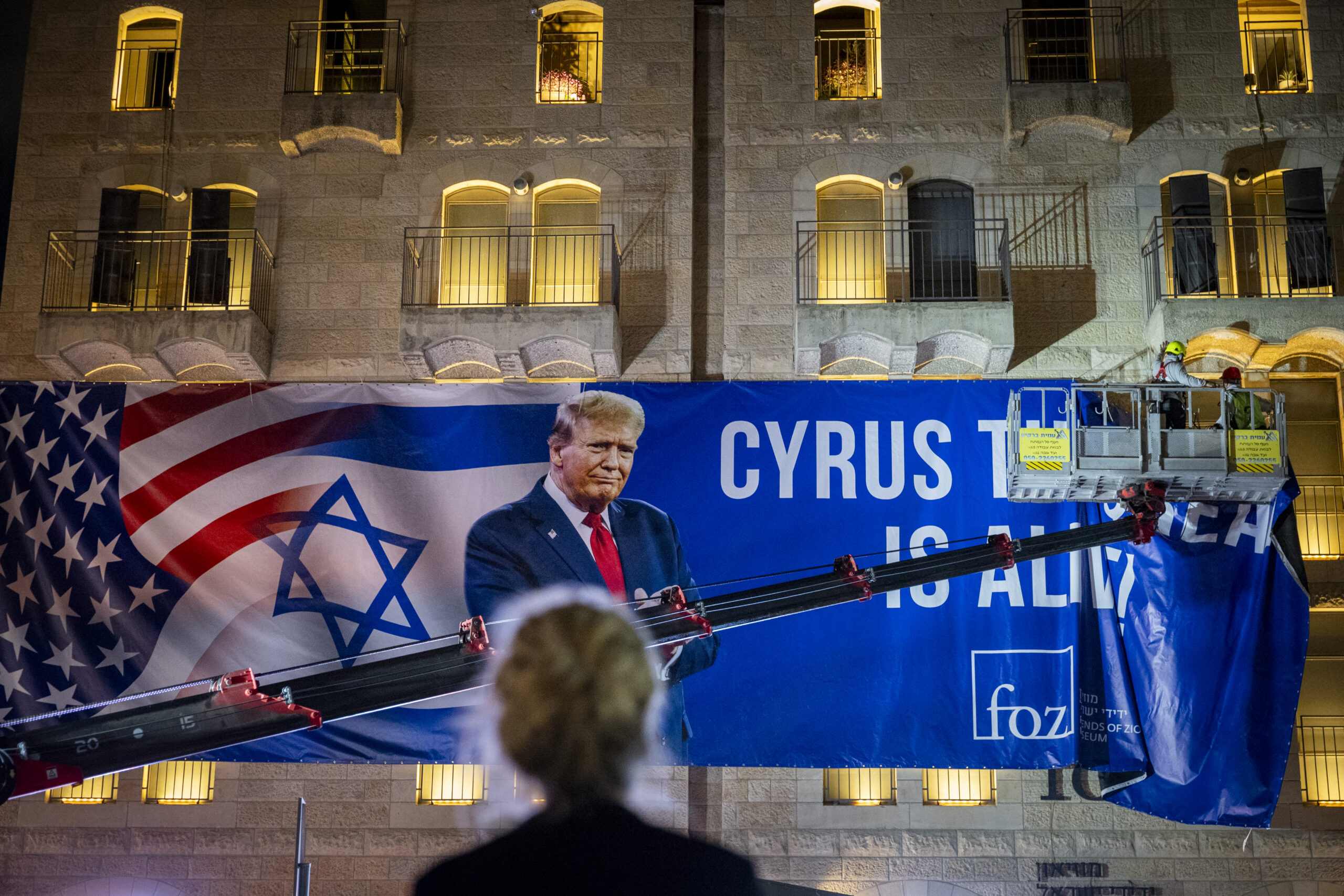
“The State of Israel will be recognized immediately,” Pahlavi affirmed. He went further, proposing to expand the existing Abraham Accords—peace agreements between Israel and several Arab nations—into what he termed the “Cyrus Accords.” Named after the ancient Persian king Cyrus the Great, who is celebrated for his tolerance and for allowing exiled Jews to return to Jerusalem, this new framework would unite a democratic Iran, Israel, and the Arab world in mutual cooperation grounded in sovereignty and shared interests.
Pahlavi also highlighted Iran’s potential as a reliable energy supplier to the world, leveraging its vast oil and gas reserves with transparent policies and stable pricing. He promised adherence to international standards against money laundering and corruption, opening Iran to trade, investment, and innovation to replace isolation with opportunity. “A free Iran will be a force for peace, for prosperity, and for partnership,” he concluded, arguing these changes would benefit not only Iranians but the broader region and the international community.
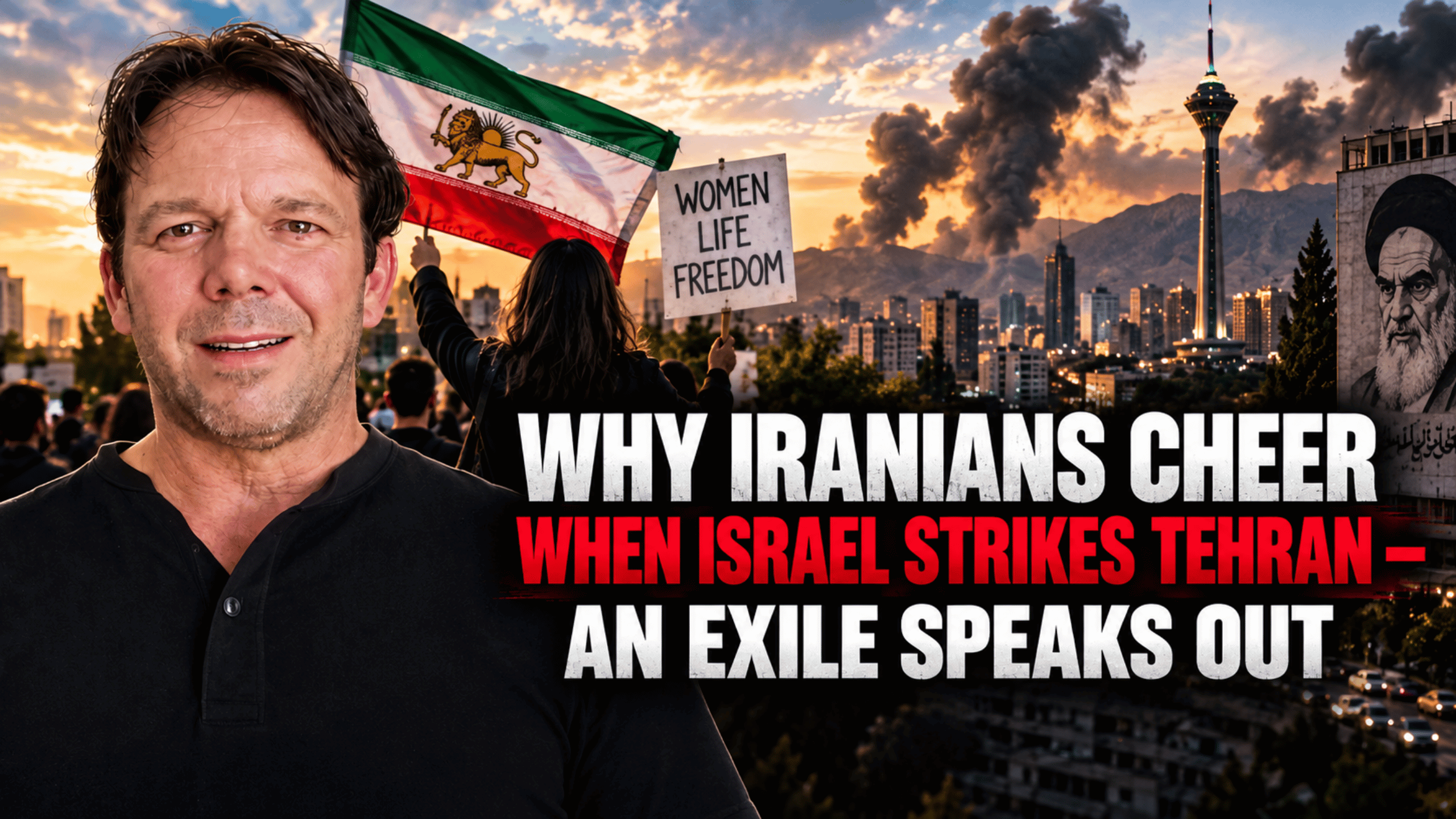
The statement comes as protests continue to rage across Iran, sparked initially by economic woes including hyperinflation and the rial’s collapse, but now encompassing widespread demands to end clerical rule. Demonstrations have spread to major cities like Tehran, Mashhad, and others, with reports of strikes shutting down markets and businesses. The regime’s crackdown has been severe, with casualty estimates varying widely from thousands to far higher figures, alongside mass detentions and injuries.
Pahlavi’s vision has resonated with some protesters, as evidenced by chants of “Javid Shah” (“Long live the Shah”) heard in various cities and amplified by diaspora activists. However, support for restoring the monarchy remains a minority view according to independent surveys, with many favoring a secular republic or remaining undecided.
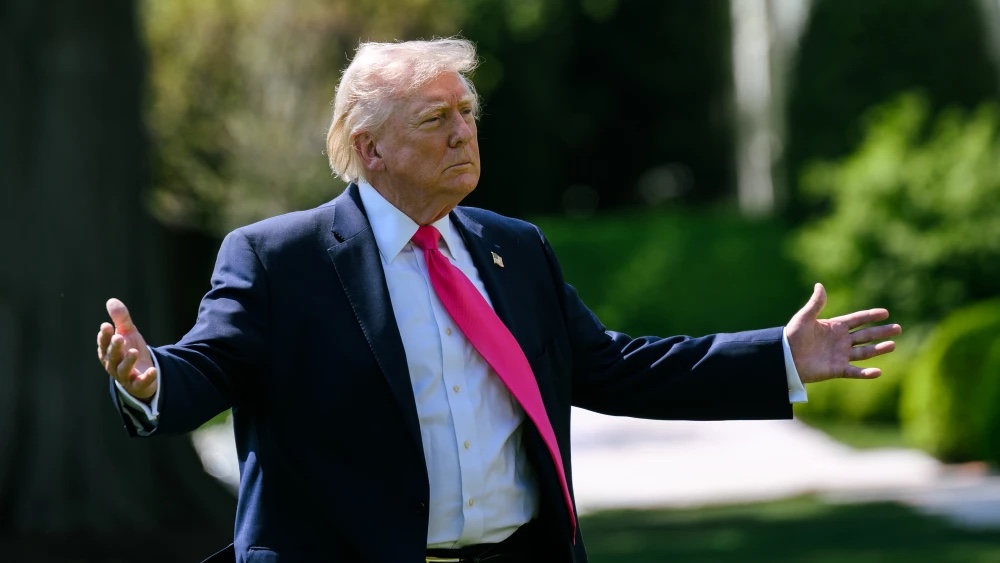
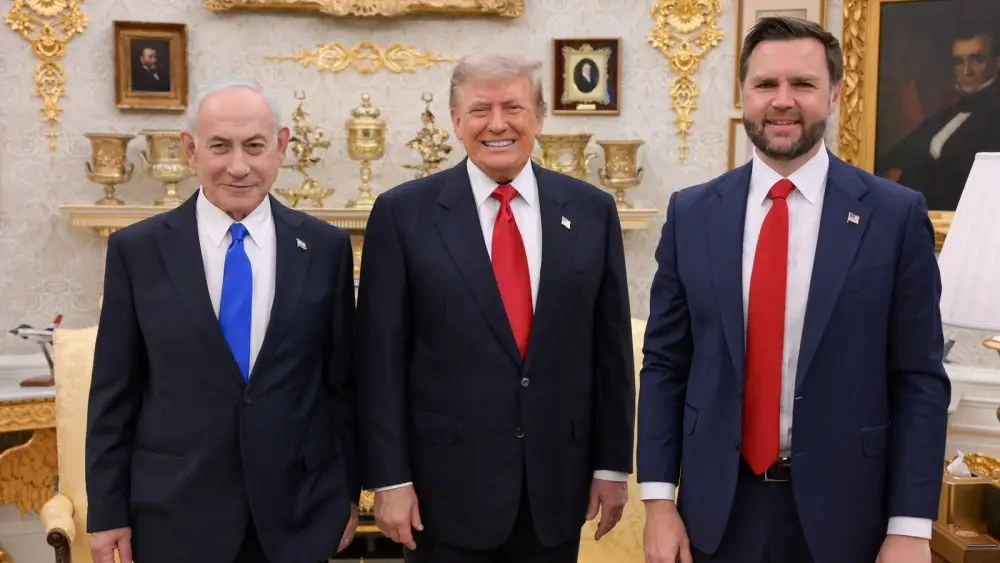
US President Donald Trump has offered cautious comments on the situation. In recent remarks, he described Pahlavi as “very nice” but expressed uncertainty about his level of support inside Iran, noting, “I don’t know how he’d play within his own country.” Trump acknowledged the possibility of regime collapse amid the unrest but emphasized that “any regime can fail,” while stressing the need for any potential US action to be swift and decisive rather than risking prolonged conflict.
Want more news from Israel?
Click Here to sign up for our FREE daily email updates