
Lebanese officials and pro-Hezbollah media are once again accusing Israel of “targeting journalists.” The facts, however, point to something far less sympathetic and far more familiar: operatives moving out of a known Hezbollah facility, crossing into a restricted combat zone, and approaching Israeli troops in a way the IDF assessed as an immediate threat.
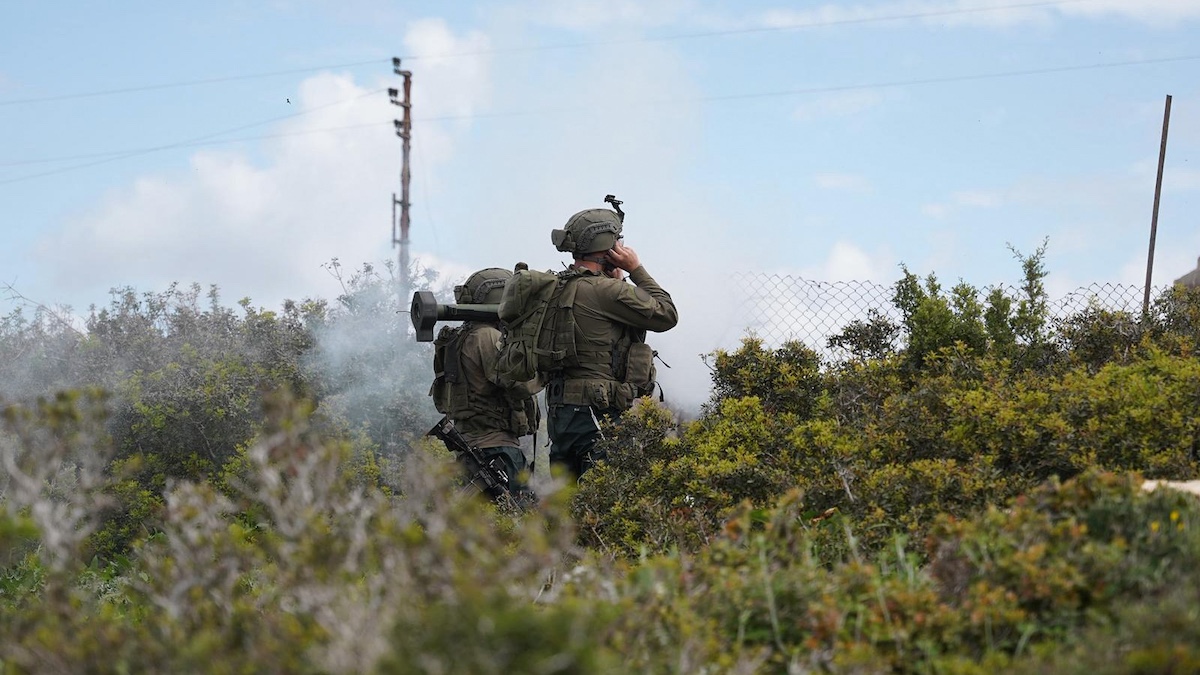
According to the IDF, troops on Wednesday identified two vehicles departing from a military structure used by Hezbollah in southern Lebanon. The individuals inside crossed the Forward Defense Line—an area whose map had already been published and evacuated under the ceasefire framework—and moved toward Israeli forces. One of the vehicles was then struck by the Israeli Air Force. The building from which the operatives had emerged was struck shortly afterward.
Only later did reports surface that two individuals described as journalists had been wounded, including Amal Khalil of the openly pro-Hezbollah outlet Al-Akhbar, who was later reported dead.
That sequence matters.
Israel did not wake up and decide to bomb a media crew. The strike followed the identification of a threatening movement from a Hezbollah military site by individuals operating inside a clearly demarcated no-go zone. In other words, the relevant fact is not the post-strike headline applied to one of the casualties. It is the operational context in which the strike occurred.
And that context is deeply inconvenient for Lebanon’s preferred narrative.
‼️ JUST IN:
Lebanese journalist Amal Khalil of pro-Hezbollah terrorists outlet Al-Akhbar was killed in an IDF strike in southern Lebanon; her body was later recovered from rubble.IDF says troops identified suspects leaving a Hezbollah terrorists-linked site, and after “the… pic.twitter.com/namu20BFmP
— Mossad Commentary (@MOSSADil) April 22, 2026
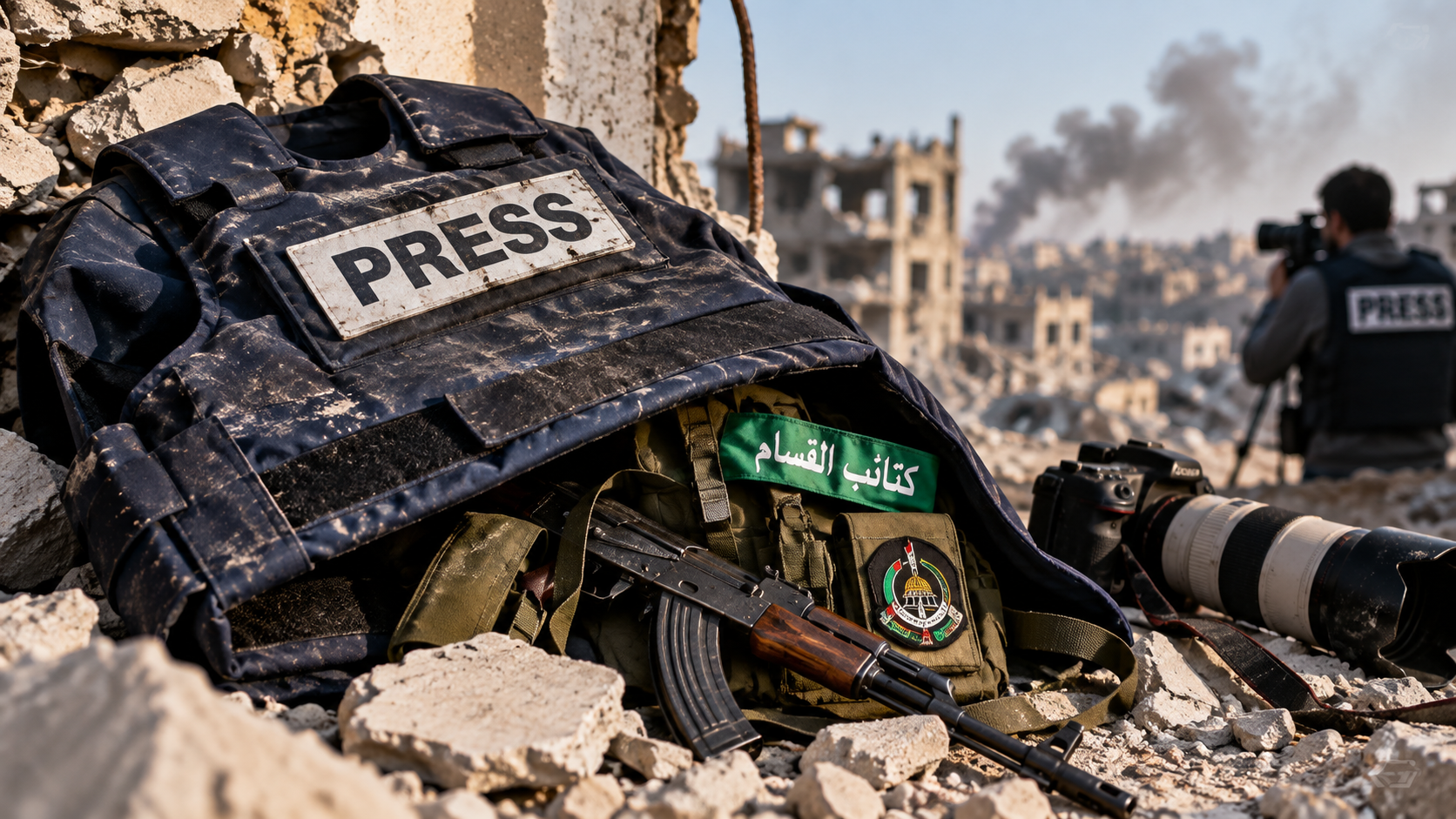
The modern battlefield has long erased the clean distinction activists and sympathetic media insist on preserving. Hezbollah and Hamas do not merely use rockets, tunnels and gunmen. They also use cameras, press vests and narrative warfare. Their propagandists are not neutral observers standing apart from the conflict. They are often embedded assets within the conflict.
Western militaries have understood this before. Coalition forces deliberately targeted ISIS media operatives because propaganda was rightly treated as part of the terror infrastructure, not as protected journalism. Israel sees Hezbollah- and Hamas-linked media figures in much the same light: not legitimate journalists in any meaningful professional sense, but information operatives serving armed Islamist movements.
That does not mean every person holding a camera is a lawful target. It does mean the word “journalist” does not create magical immunity when someone is moving with Hezbollah-linked elements from a Hezbollah facility into an active threat zone.
Lebanon can cry “war crime” on cue. But the underlying claim—that Israel simply targeted journalists for being journalists—looks less like reporting and more like the latest installment in Hezbollah’s media strategy.
Want more news from Israel?
Click Here to sign up for our FREE daily email updates