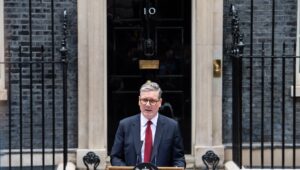

It is a sentence that will be appreciated in Jerusalem: attacks on Israel must stop. And this message comes, of all places, from Berlin — at a time when Germany’s foreign policy is caught in an open dispute with US President Donald Trump over the right strategy toward Iran.
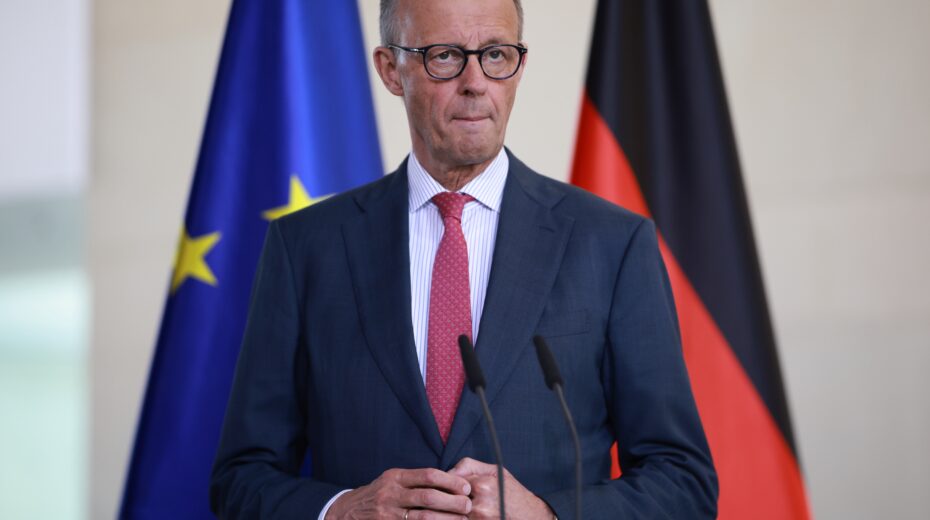
As the Israeli news outlet Maariv reports, German Chancellor Friedrich Merz has stated this position unequivocally. And yet the question remains: why only now?
Anyone who has followed the past months knows that Germany was not among the countries that consistently stood firmly behind Israel. On the contrary, warnings, criticism and appeals for restraint repeatedly came from Berlin. Israel was sharply criticized in particular for its military actions in Lebanon.
And now comes this sentence: attacks on Israel can no longer be tolerated.
One could say: finally. One could also say: late.
Between criticism and reality
For months, German policy has tried to hold two positions at once: criticism of Israel’s military conduct and solidarity with its security. On paper, that may look balanced. In the reality of the Middle East, however, this balance quickly becomes weakness.
While Europe discusses proportionality, Israel faces a very concrete threat: Hezbollah in the north, Hamas in the south, and behind them Iran — no longer merely an abstract adversary, but an active strategic player.
That Berlin is now naming this reality more clearly is no coincidence. The situation has changed — and it no longer comes without consequences for Europe either.
Pressure is growing — including in Europe
The conflict is now affecting Germany economically as well. Uncertainty around the Strait of Hormuz, stalled negotiations with Iran and rising energy prices are being felt.
Suddenly, it is clear that the war in the Middle East is no longer a distant problem.
Chancellor Merz stated this openly: the war is costing Germany “a great deal of money and economic strength.” It is a remarkably honest sentence — and at the same time an indication of what is really driving Berlin.
Not only security policy, but also self-interest.
Dispute with Washington — and a signal to Jerusalem
At the same time, the tone between Berlin and Washington is becoming sharper. Merz accused the United States of lacking a clear Iran strategy. Trump responded immediately and publicly attacked the German chancellor.
This dispute is more than a diplomatic disagreement. It shows how different the assessments within the West have become.
And precisely at this moment, Germany is sending a signal toward Israel.
A step — but not yet a change of course
For Israel, this statement from Berlin is nevertheless significant. After months in which even close partners mostly urged restraint, every clear position against attacks on Israel is an important sign.
But let us not pretend otherwise: a single sentence is not a policy.
The decisive question remains whether Germany — and Europe with it — is prepared to turn words into consequences. For example, through stronger diplomatic pressure on Iran or clearer positions toward Hezbollah.
Until then, this moment remains what it is: a late awakening.
And perhaps the beginning of a cautious correction.
Want more news from Israel?
Click Here to sign up for our FREE daily email updates