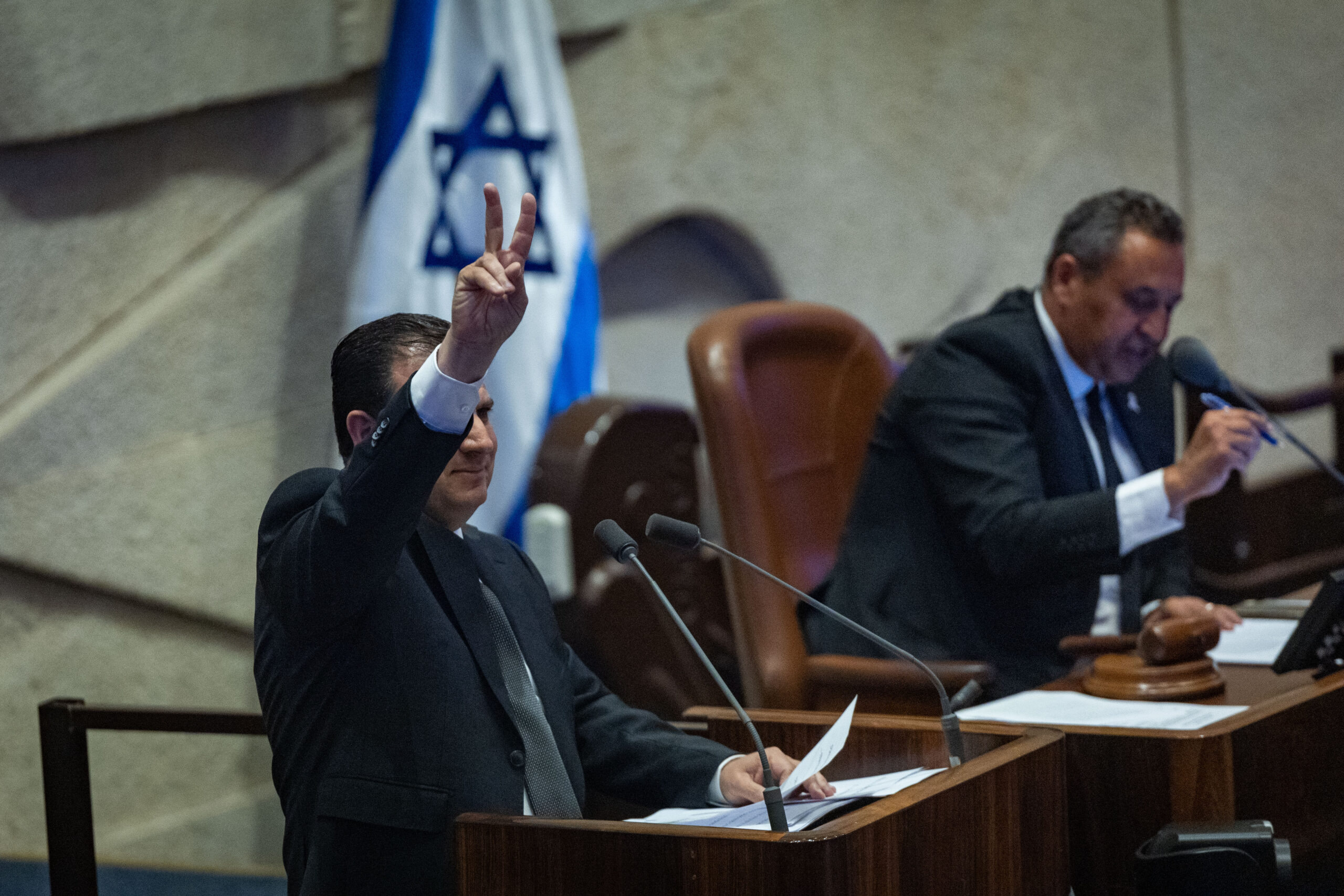
(JNS) Israel’s Oct. 27 election has produced an unusual political situation in which Prime Minister Benjamin Netanyahu could retain control of the government while his opponents secure a parliamentary majority capable of advancing legislation against his administration.
Netanyahu’s right-wing and religious alliance won 53 Knesset seats, compared with 48 for the four Jewish-led opposition parties headed by Gadi Eisenkot. The Arab parties’ combined 19 seats could give his opponents 67 of the Knesset’s 120 seats.
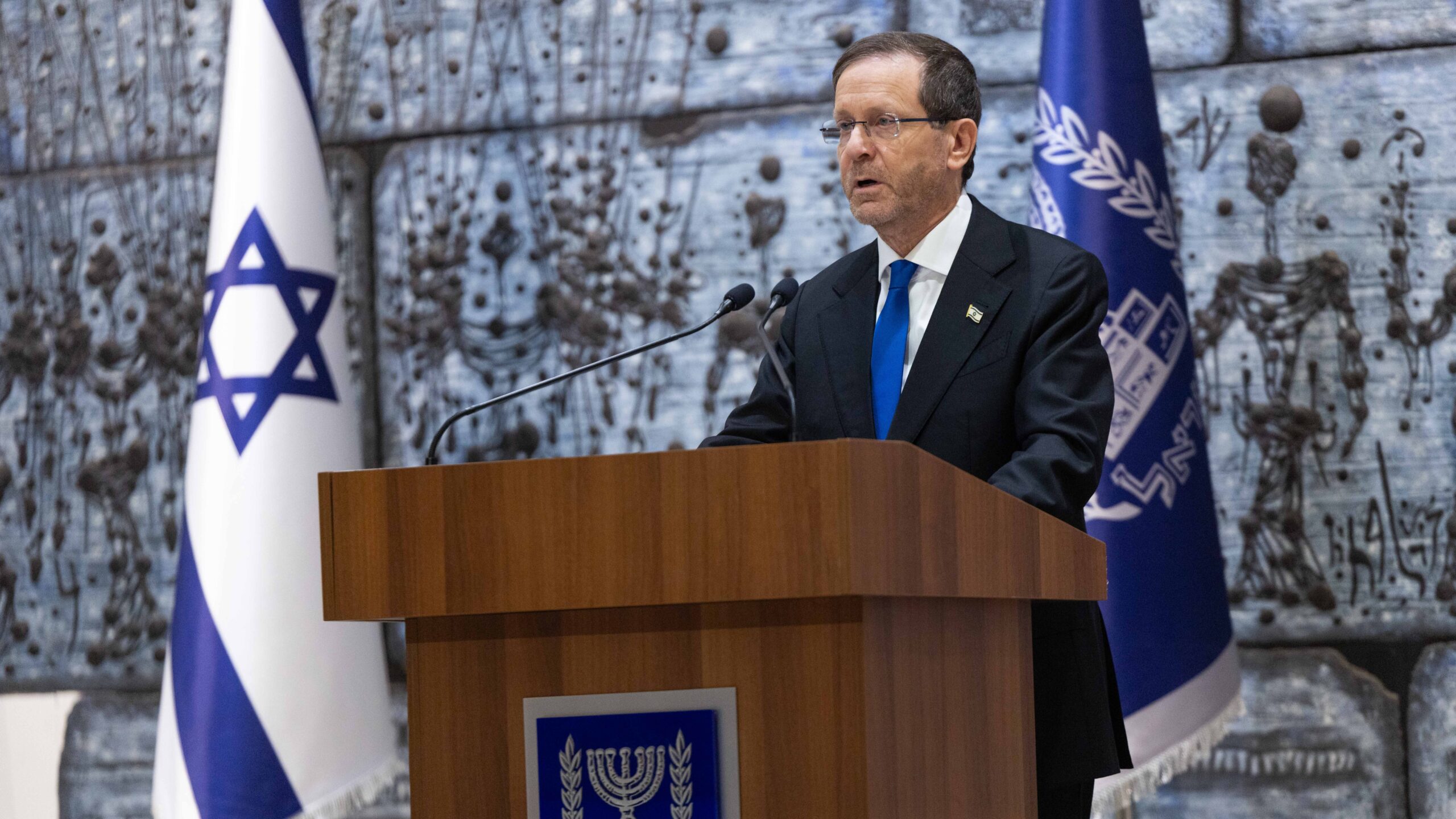
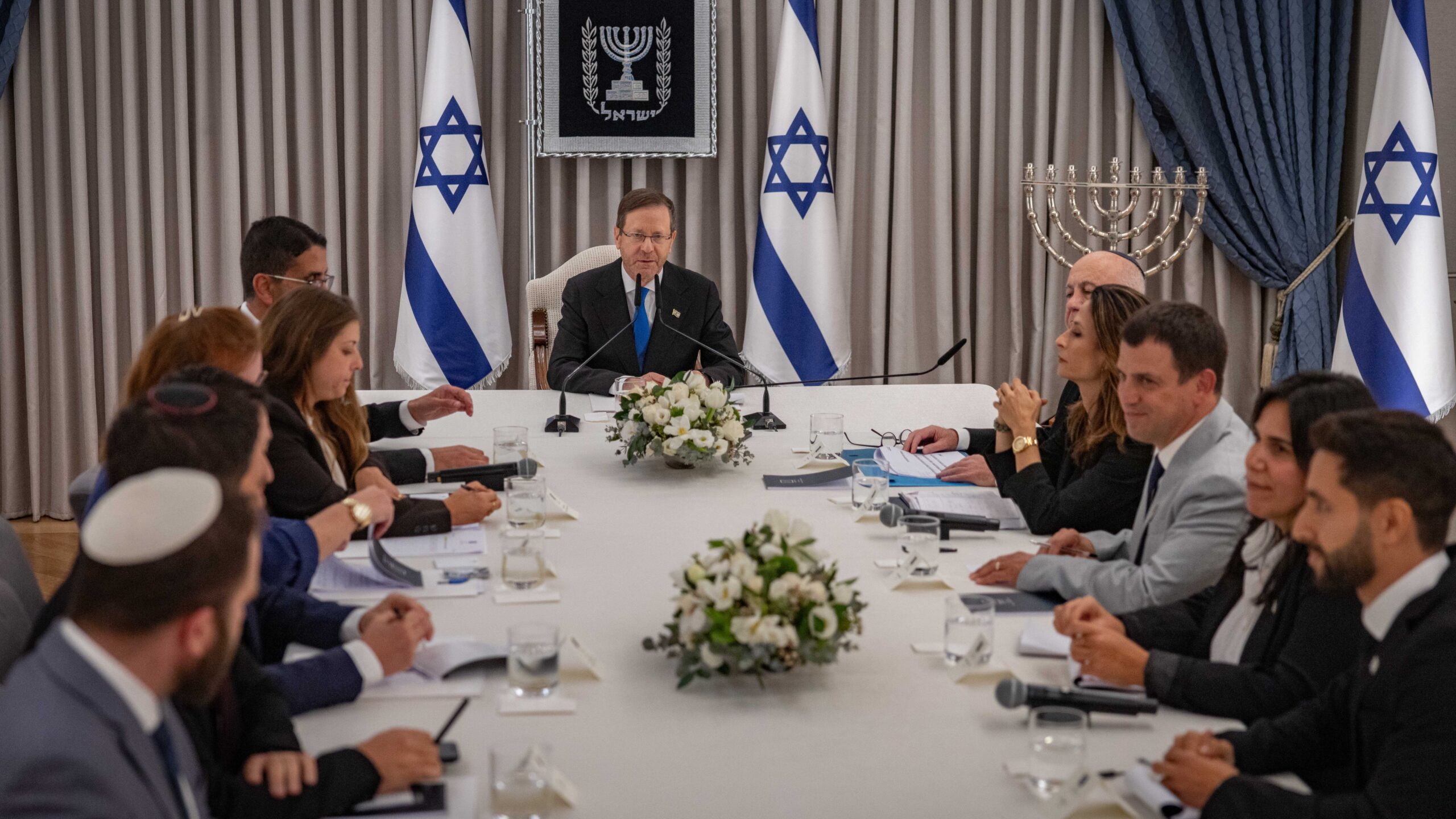
That numerical advantage has already influenced the government-formation process. On Nov. 7, President Isaac Herzog announced that he would grant Eisenkot the mandate to form a government after parties representing 67 lawmakers recommended him, compared with 46 who backed Netanyahu. Nevertheless, those recommendations do not constitute a governing coalition or guarantee support for individual legislative initiatives.
As Herzog acknowledged following consultations, “The results of the consultations may appear clear, but the authority vested in me by law is to determine who has the ability to form a government, and that is not entirely clear, given...
Become a Member
-
Read all member content
Get exclusive in-depth reports from Israel.
-
Get exclusive in-depth reports from Israel
Connect with Israel, right from your home.
-
Lift up the voice of truth and hope
Support Jerusalem-based Zionist journalism.

Already a member? Login here.