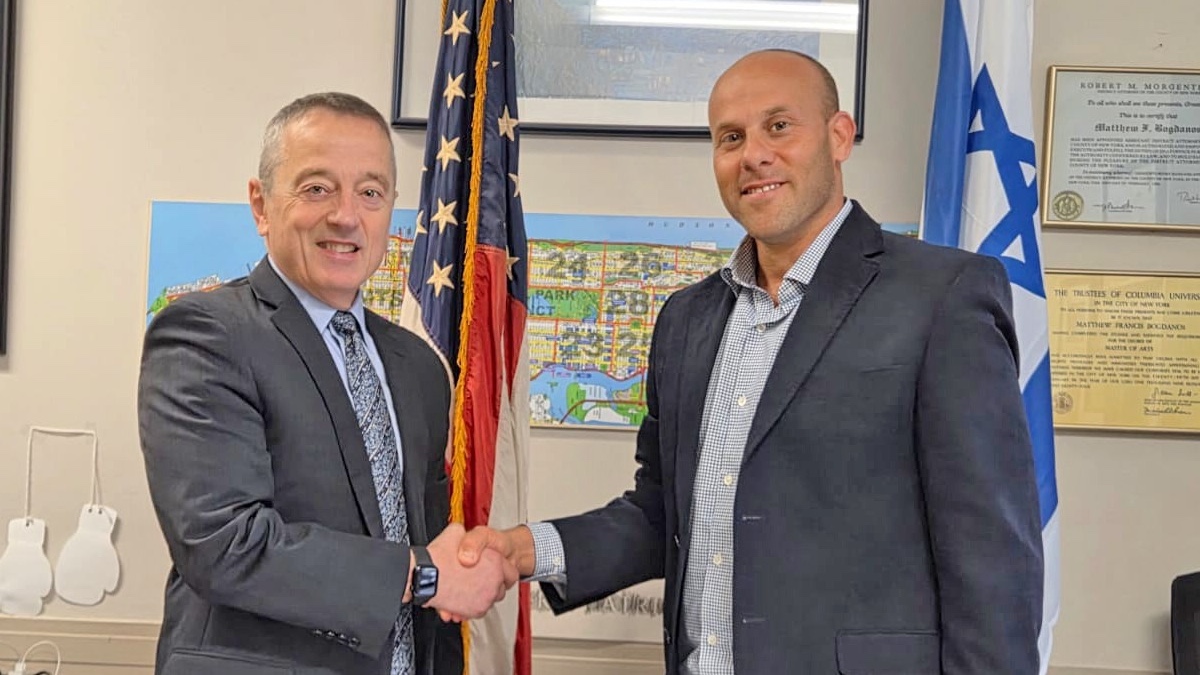

An ancient and rare coin depicting the seven-branched menorah that stood in the Second Temple, together with another rare coin from Ashkelon—the second known example of its kind in the world—were returned this week, on Monday, to Israel in an official ceremony in New York.
The return follows a complex international operation led by inspectors from the Israel Antiquities Authority’s Theft Prevention Unit, in cooperation with agents from Homeland Security and members of the special unit overseeing antiquities smuggling into the United States at the New York Attorney General’s Office.
The coins were minted in antiquity in the Land of Israel, torn from their soil through antiquities looting, and smuggled out of the country. They were later offered for sale at auction houses in the United States to the highest bidder. A series of investigative actions, carried out through swift cooperation, led to the establishment of an evidentiary basis against the suspects, after which the coins were forfeited to the State of Israel.
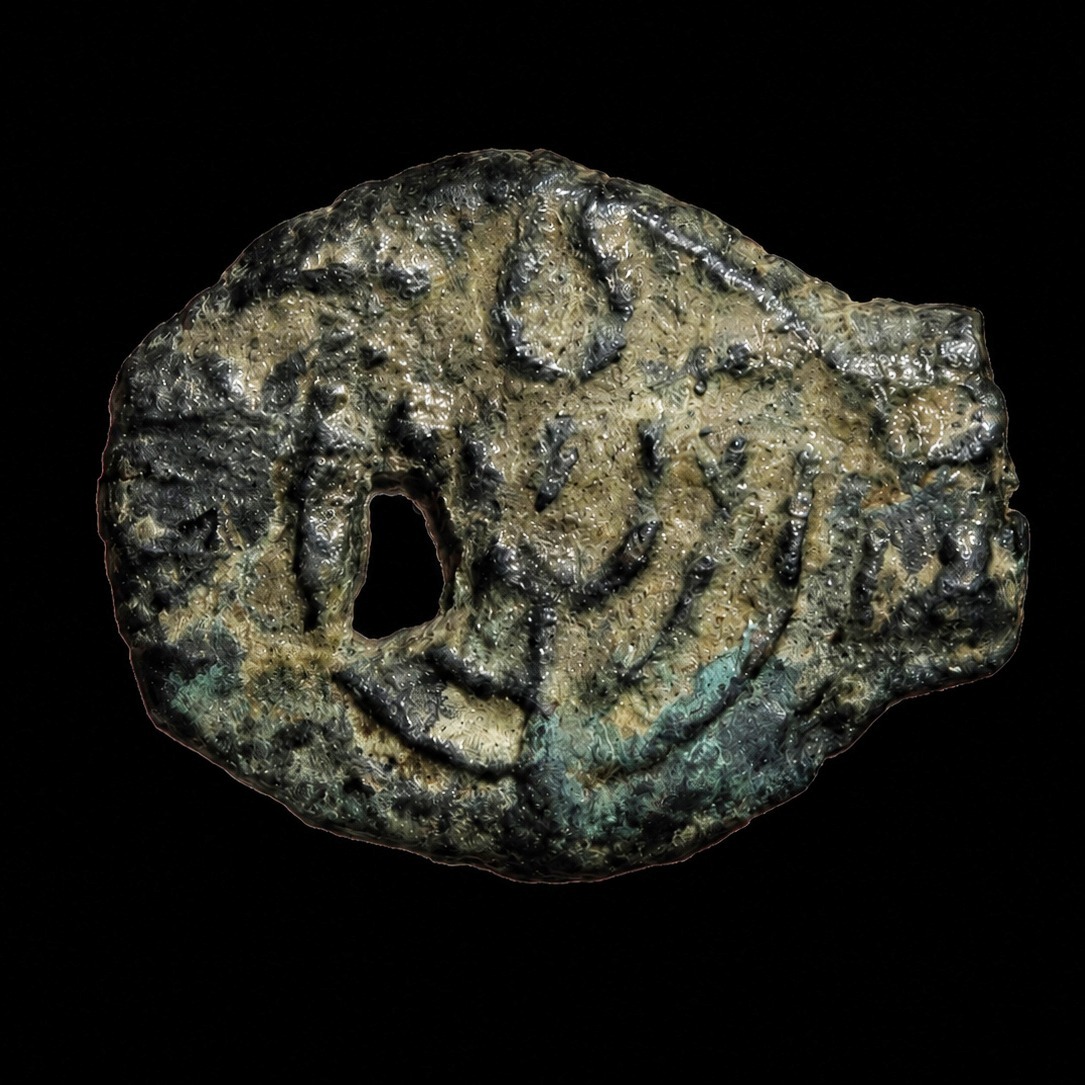
Photo credit: Dr. Eitan Klein and Emil Aladjem, Israel Antiquities Authority; Antiquities Trafficking Unit.
One of the coins is a bronze coin minted during the reign of the last Hasmonean king, Mattathias Antigonus, who ruled in Jerusalem from 40 to 37 BCE. On one side of the coin appears the image of the seven-branched menorah—one of the earliest artistic depictions of the menorah.
In fact, this is the only Jewish coin bearing a depiction of the seven-branched menorah from the Temple. On the other side of the coin appears the Table of the Showbread, another Jewish symbol representing one of the sacred vessels of the Temple.
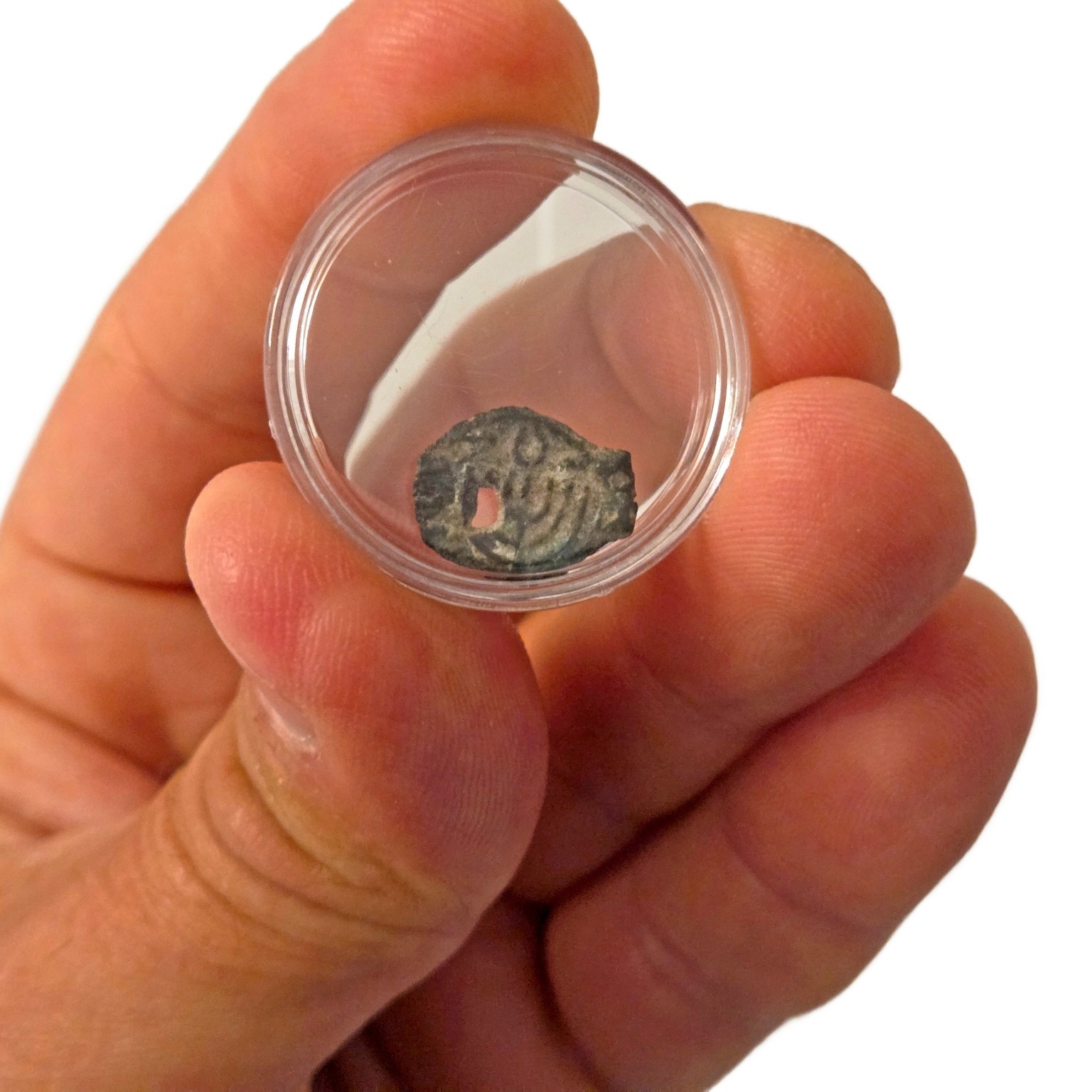
Photo credit: Dr. Eitan Klein and Emil Aladjem, Israel Antiquities Authority; Antiquities Trafficking Unit.
King Mattathias Antigonus’s choice to display distinctly Jewish symbols on the coin was likely motivated by his desire to gain the support of the Jewish people, as during those years he was struggling for control of the Land of Israel against King Herod, who was supported by the Romans.
Because of its rarity—and above all because of its symbolism as the final coin of Hasmonean independence and as a symbol of the State of Israel—the coin was defined as an item of national value prohibited from export.
The second coin returned yesterday to the State of Israel is a silver tetradrachm from the Persian period, minted at the city mint of Ashkelon. It is one of the rarest ancient coins ever minted in the Land of Israel, with only one other example known to exist.
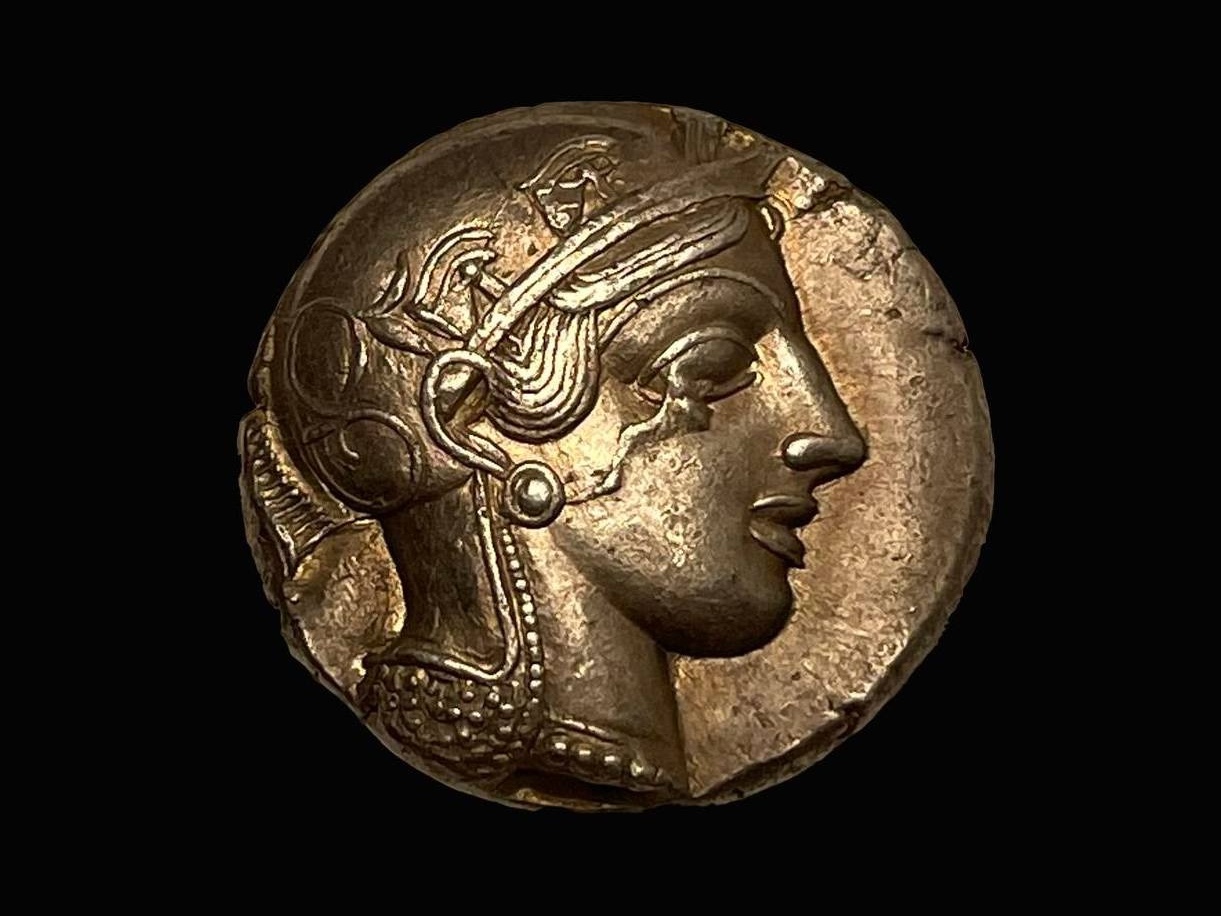
Photo credit: Dr. Eitan Klein and Emil Aladjem, Israel Antiquities Authority; Antiquities Trafficking Unit.
The design of the coin draws inspiration from the Athenian tetradrachm, the most powerful and widely circulated coin in the region at that time. On one side are the face of the goddess Athena wearing a helmet, and on the other side is an owl with outstretched wings. In the upper right corner of that side appear the letters aleph and nun in Aramaic script—an abbreviation for the name of the Ashkelon city mint. This coin, too, is prohibited from export from the State of Israel because of its rarity.
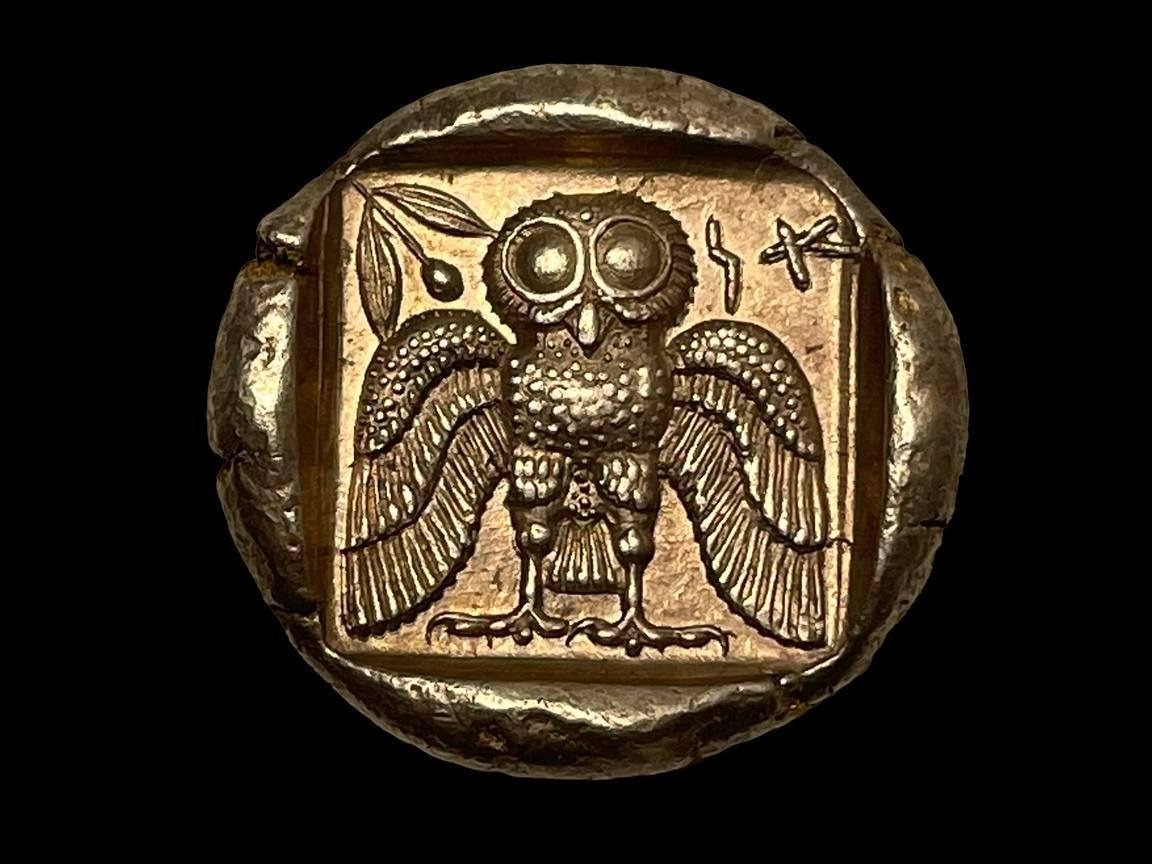
Photo credit: Dr. Eitan Klein and Emil Aladjem, Israel Antiquities Authority; Antiquities Trafficking Unit.
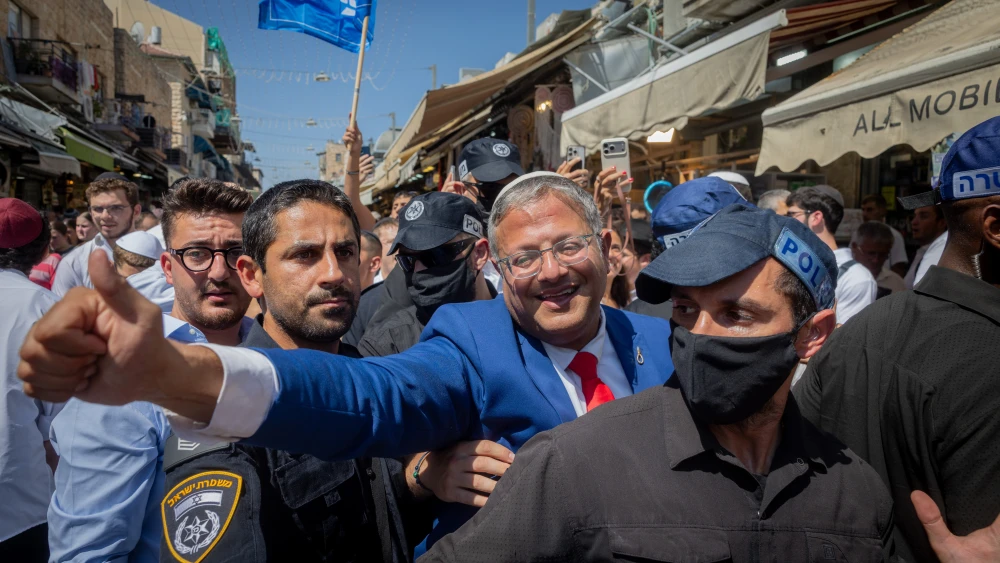
At the official state restitution ceremony, held last night at the New York District Attorney’s Office, Col. Matthew Bogdanos, head of the Antiquities Trafficking Unit, said:
“These extraordinary coins represent an important piece of history that is finally coming home. Beyond that, they represent an extraordinary partnership between the New York Antiquities Trafficking Unit and the Israel Antiquities Authority.”
According to Ilan Hadad, who oversees antiquities trade in the Israel Antiquities Authority’s Unit for the Prevention of Antiquities Robbery:
“The illegal trade in antiquities is a grim international phenomenon that serves as an economic engine for antiquities robbery and the damage caused to cultural heritage assets. Inspectors from the Israel Antiquities Authority’s Unit for the Prevention of Antiquities Robbery are fighting this phenomenon at every level in order to preserve and protect the heritage and ancient assets of the State of Israel.”
Want more news from Israel?
Click Here to sign up for our FREE daily email updates