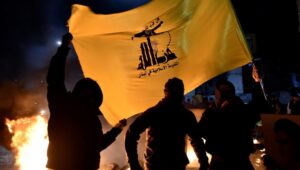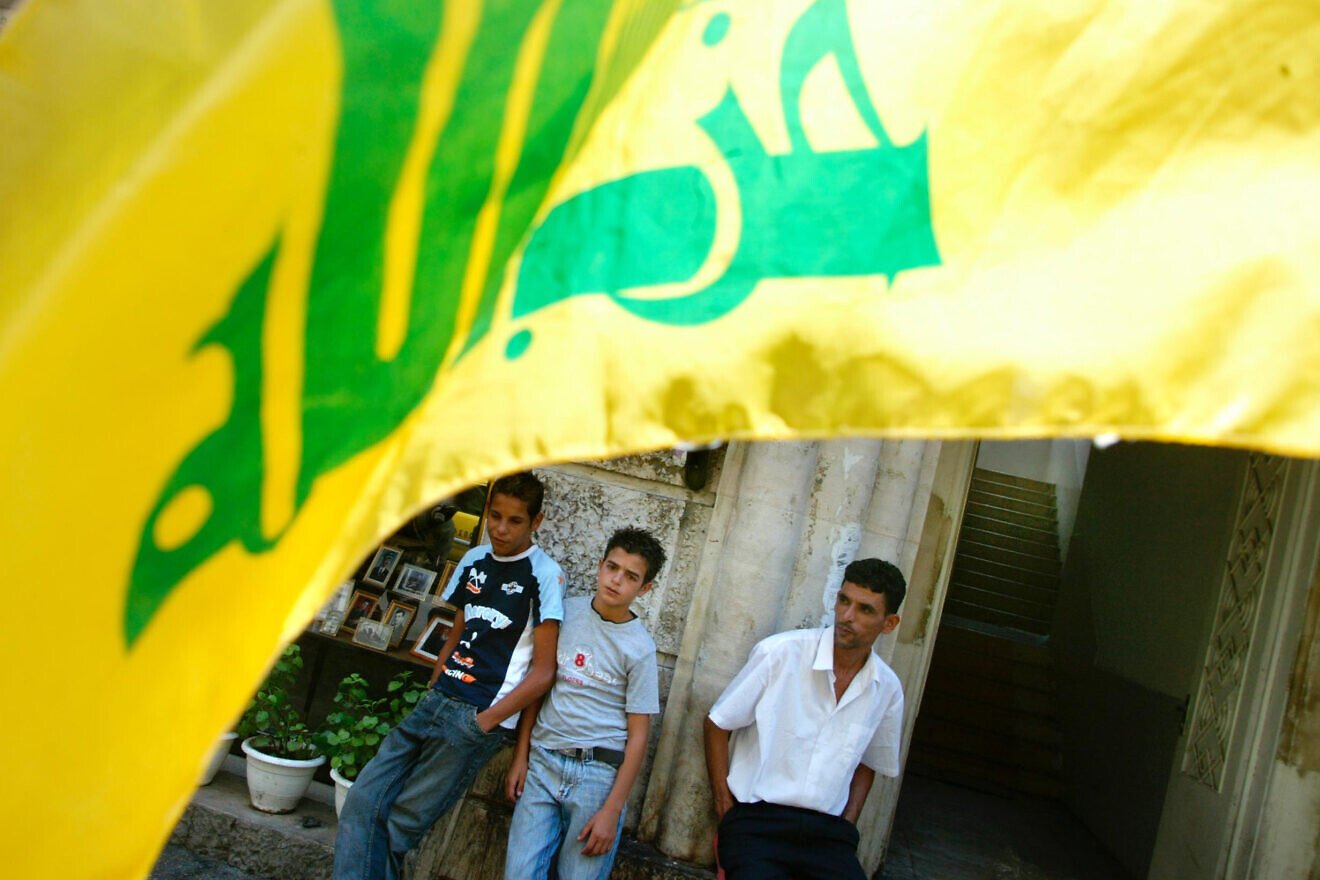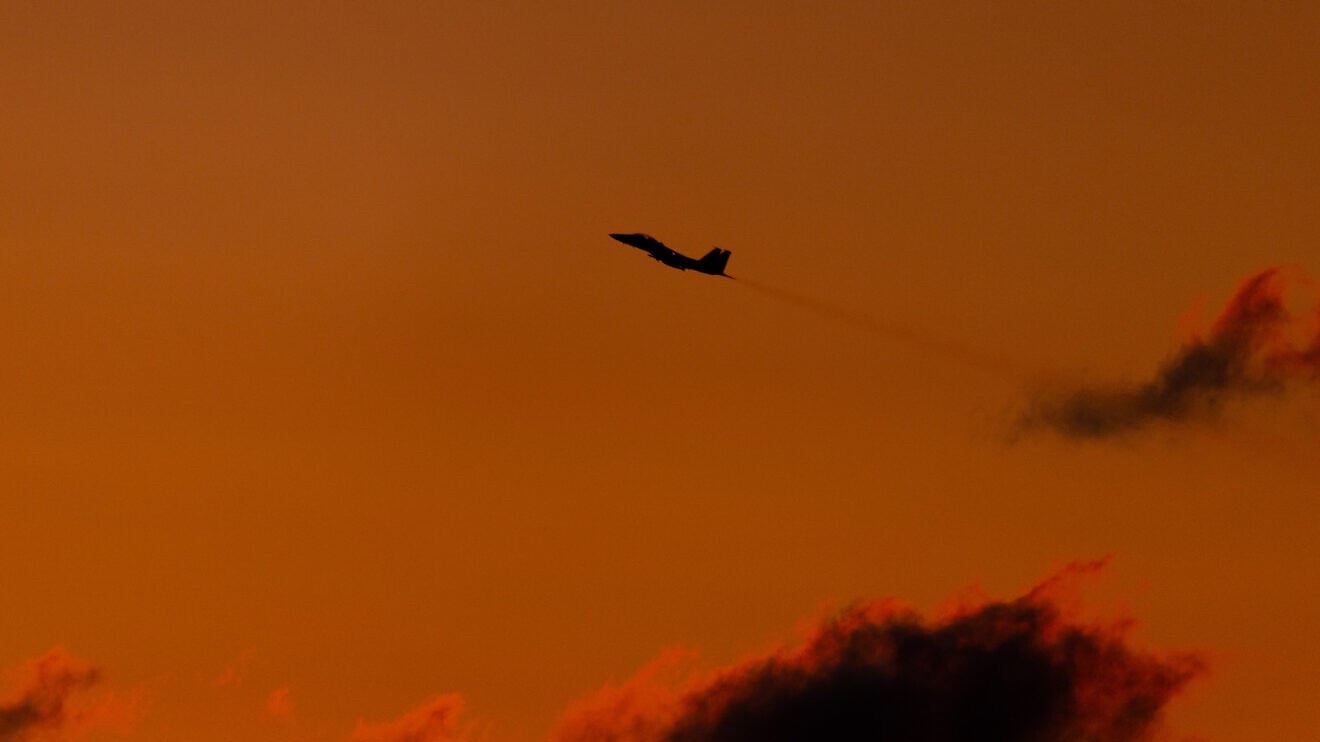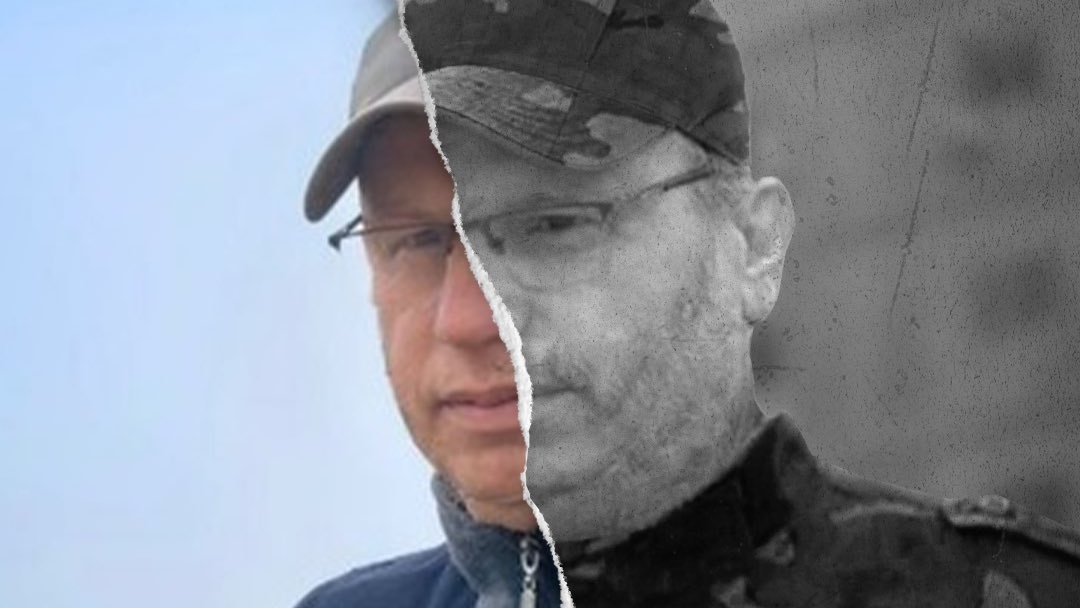

The Israel Defense Forces said Saturday it killed Ali Hassan Shaib in a strike in southern Lebanon, describing him not as an independent reporter but as a Hezbollah Radwan Force operative who had long used his role at the group’s Al-Manar television network as operational cover.
According to the Israeli military, Shaib helped expose the locations of Israeli troops operating in southern Lebanon and along the border, maintained contact with Hezbollah operatives, and served as a propaganda arm for the organization during the current war.
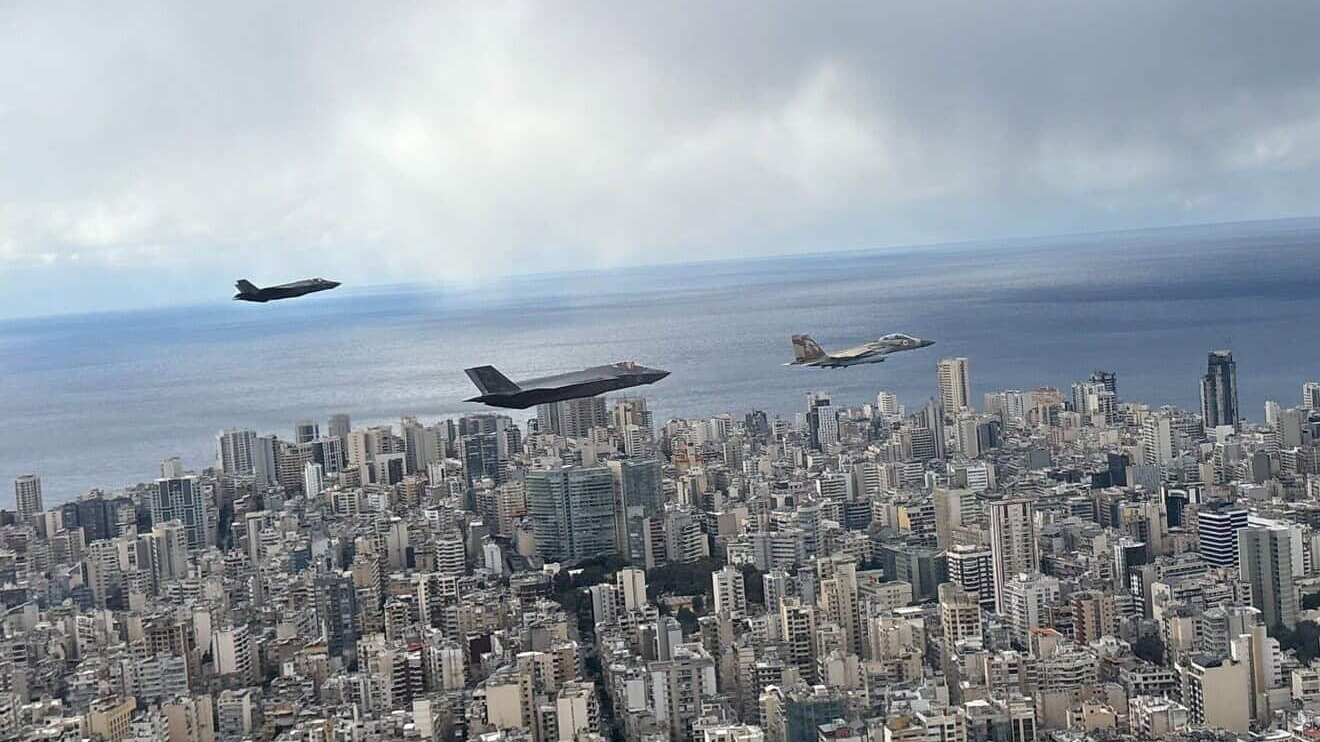
The strike took place near Jezzine, where Lebanese media said a drone hit a vehicle traveling on the main road. Al-Manar and other Lebanese outlets reported that Fatima Ftouni, a correspondent for the Hezbollah-affiliated Al-Mayadeen channel, was also killed, along with her brother, who worked as a videographer. Lebanese President Joseph Aoun condemned the attack as a violation of protections afforded to journalists in wartime.
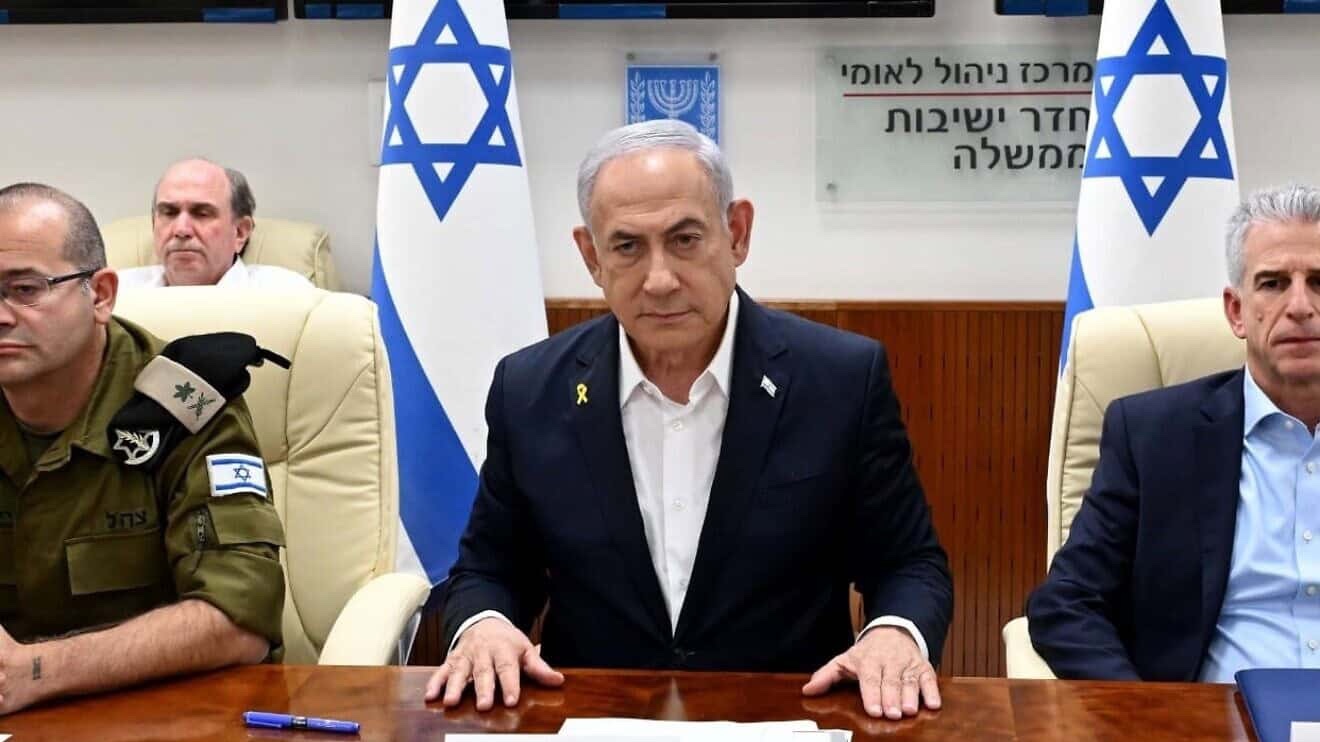
Israel, however, framed the operation as a strike on a combatant embedded in a media role, not on a civilian reporter. In its statement, the military said Shaib had for years operated under the guise of journalism while supporting Hezbollah’s military activity, particularly the Radwan Force, the group’s elite formation. The army also accused him of incitement against Israeli soldiers and civilians and of helping distribute Hezbollah propaganda during “Operation Roaring Lion.”
🔴ELIMINATED: For years, Ali Hassan Shaib operated as a Hezbollah Radwan Force terrorist under the guise of a journalist.
Turns out the “press vest” was just a cover for terror. pic.twitter.com/24F7MJ3Yth
— Israel Defense Forces (@IDF) March 28, 2026
The episode is likely to sharpen an old argument over who qualifies as a protected journalist in war, especially when media work overlaps with operational or intelligence functions. That debate is not new, and it is not unique to Israel. During the campaign against ISIS, the US-led coalition repeatedly and openly targeted the group’s propaganda infrastructure and the men running it. In 2016, the Pentagon said a coalition strike killed Wa’il Adil Hasan Salman al-Fayad, an ISIS leader who oversaw the group’s propaganda apparatus and its execution videos. In 2017, coalition officials announced the deaths of several ISIS “propagandists and facilitators,” including senior media figures and the founder of Amaq, ISIS’s official propaganda outlet.
That record exposes a familiar inconsistency: when Western forces targeted ISIS media operatives, the action was broadly treated as a legitimate counterterrorism measure against enemy command, recruitment, and propaganda networks. When Israel says it struck a Hezbollah operative embedded in a partisan outlet tied to the organization, the language shifts instantly to press freedom and protected status.
A similar narrative played out in Gaza, where the world accused Israel of killing hundreds of journalists, while ignoring their ties to Hamas.
See: How many journalists have been killed in Gaza? The answer is zero
The legal and moral question, then, is narrower than much of the rhetoric suggests. Journalists are protected in war. Operatives using a press credential as cover are not. Israel’s case rests on that distinction, and the reaction to the strike suggests many critics are unwilling to apply the same standard they accepted when the target was ISIS.
Want more news from Israel?
Click Here to sign up for our FREE daily email updates