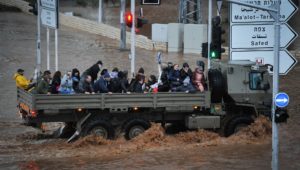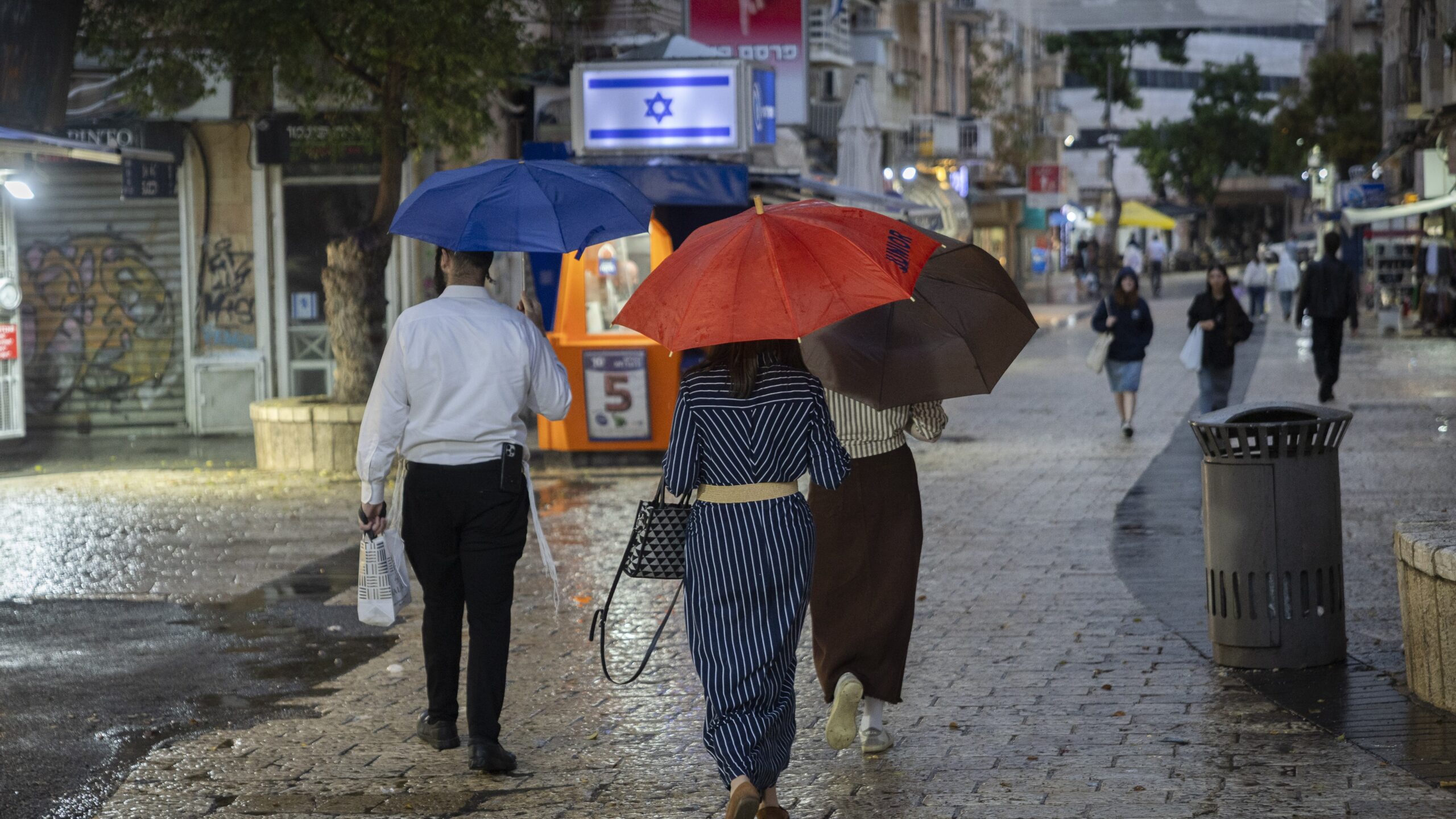

After a prolonged dry spell and an unusually warm weekend, Israel is facing a significant change in weather. The Israel Meteorological Service (IMS) is forecasting an extensive winter storm in the coming days, which will bring heavy rainfall primarily to the north and center of the country.
While flooding is feared in coastal cities and inland areas, Mount Hermon in northern Israel is expected to receive its first significant snow cover of this winter season.
Peak of winter storm expected mid-week
The director of the Israel Meteorological Service, Amir Givati, warned of considerable amounts of precipitation within a short period of time.
Following initial rainfall on Sunday, November 29, and a temporary calm on Monday, weather conditions are expected to deteriorate significantly during the night into Tuesday. The peak of the winter storm is anticipated on Wednesday.
Within 24 hours, between 70 and 90 liters of rain per square meter could fall locally. The cities along the central and southern coastal plain and the Shephelah region, the foothills between the coastal plain and the Judean highlands, are particularly affected.
There is also a risk of flash floods in the Judean Desert, in the region around the Dead Sea, and in parts of the Arava.
On Mount Hermon, a snow cover of around ten centimeters could form at higher elevations by Thursday. The meteorologists are forecasting wintry weather conditions beyond the coming weekend as well.
Israel – a small country with different climate zones
Although Israel is primarily associated abroad with sunshine, heat, and desert landscapes, winters can indeed be cold and rainy.
In the north and along the Mediterranean coast, a Mediterranean climate prevails, with dry, hot summers and comparatively mild, rainy winters. The south and east of the country, by contrast, are predominantly characterized by a desert climate.
Around two-thirds of annual precipitation falls between December and February. January is usually the coldest and rainiest month of the year.
Unlike in Central Europe, several sunny days frequently alternate with short but intense periods of rain during winter in Israel. A considerable portion of the monthly rainfall can fall within just a few days.
Snow is by no means unknown in Israel either. While it falls regularly on Mount Hermon and the northern Golan Heights, snow cover forms in Jerusalem on average five to six times per decade.
In February 1920, a snow depth of 97 centimeters was even recorded in Jerusalem. During the exceptionally cold winter of 1950, snow fell even in Tel Aviv and in the area around the Dead Sea.
Urgently needed rain after dry winters
Despite the associated dangers, the expected precipitation is of great importance, particularly for northern Israel.
According to the Israel Meteorological Service, the 2024/25 rainy season was exceptionally dry. In the following winter as well, rainfall in the north remained below the long-term average. As a result, the precipitation deficit has continued to grow.
The Sea of Galilee is particularly affected. Although Israel now meets a large proportion of its drinking water needs through seawater desalination, the lake remains an important natural water reservoir for the country.
As early as the beginning of November, Israel experienced exceptionally heavy rainfall. In Kadima in the Sharon Plain, 117 liters of precipitation per square meter were recorded within 75 minutes.
However, the water level of the Sea of Galilee rose by only one centimeter following this rainy weekend, as a large portion of the precipitation had fallen outside its catchment area.
The Israel Meteorological Service’s seasonal forecast for the period from November to January predicts average to slightly above-average precipitation in the north and center of the country. Whether this will be enough to reduce the water deficit of recent years will become clear as the winter progresses.
Want more news from Israel?
Click Here to sign up for our FREE daily email updates