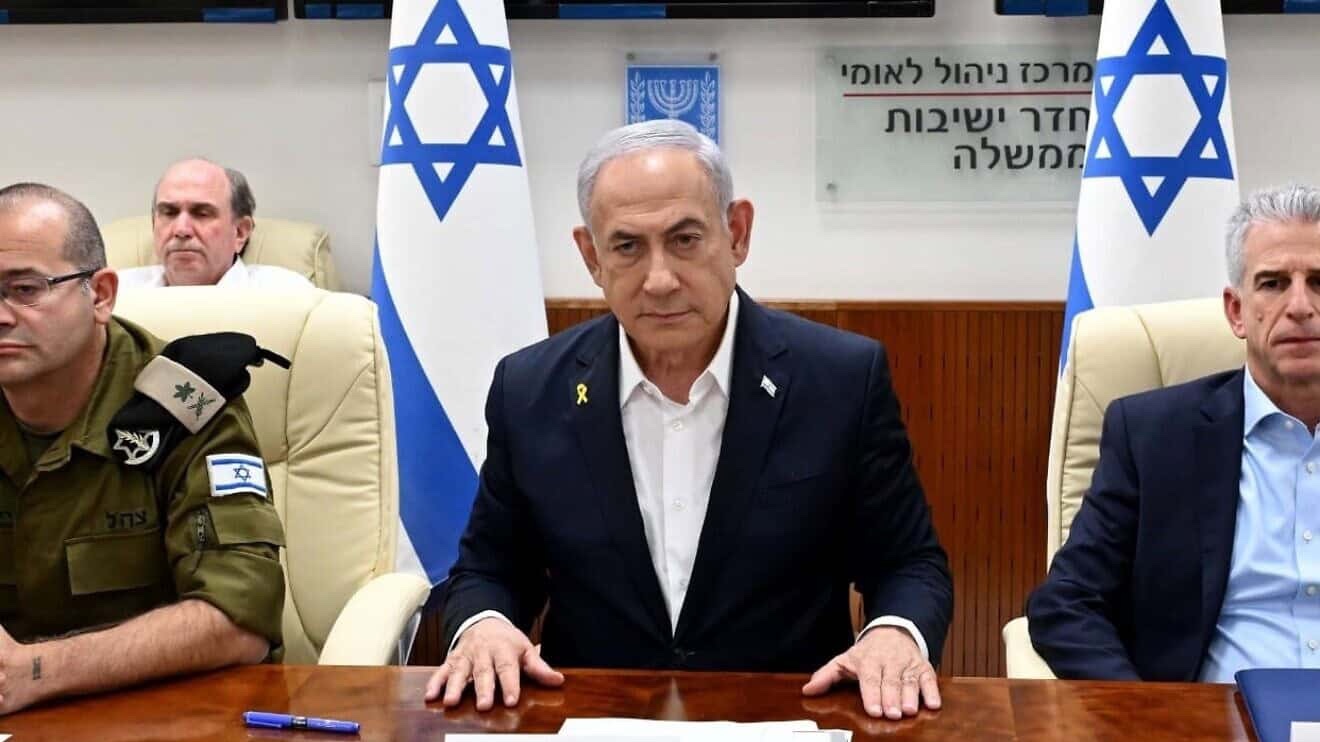
(JNS) Israeli Prime Minister Benjamin Netanyahu arrived in Washington, DC, for a pivotal meeting with US President Donald Trump on Wednesday, during which Israeli concerns and red lines regarding Iran’s nuclear program and missile production are expected to take center stage.
While diplomatic channels between Tehran and Washington remain open, assessments indicate that Iran is racing to shield key elements of its nuclear program from potential aerial attack. At the same time, Tehran is working to rebuild a missile industry badly damaged in recent conflicts.
According to a report by i24 News, Iran aims to restore a short-term stockpile of roughly 2,000 missiles—about the same number it possessed on the eve of Operation Rising Lion in June 2025. During that operation, Iran is believed to have lost between one-third and half of its missile arsenal, along with roughly two-thirds of its launch capabilities. Since then, it has been moving rapidly to reconstitute those losses.
Brig. Gen. (res.) Prof. Jacob Nagel, former head of Israel’s National Security Council and a former acting national security adviser to the prime minister, who is now a senior fellow at the Foundation for Defense of Democracies, told JNS that Israel is preparing to present a clear and uncompromising stance.
“Israel’s uncompromising position, which the prime minister intends and needs to present to the president in their upcoming meeting, is a substantive, deep and final treatment of all four problematic axes vis-à-vis Iran,” Nagel said.
He listed those axes as Iran’s nuclear program, ballistic missiles, support for terrorism and oppression of the Iranian people.
Nagel expressed deep skepticism that Iran’s current leadership would accept such demands. “Since there is no chance that the current Iranian leadership will accept anything close to these requirements, we must prepare for the ‘other treatment’ that Trump has cited many times,” he said.
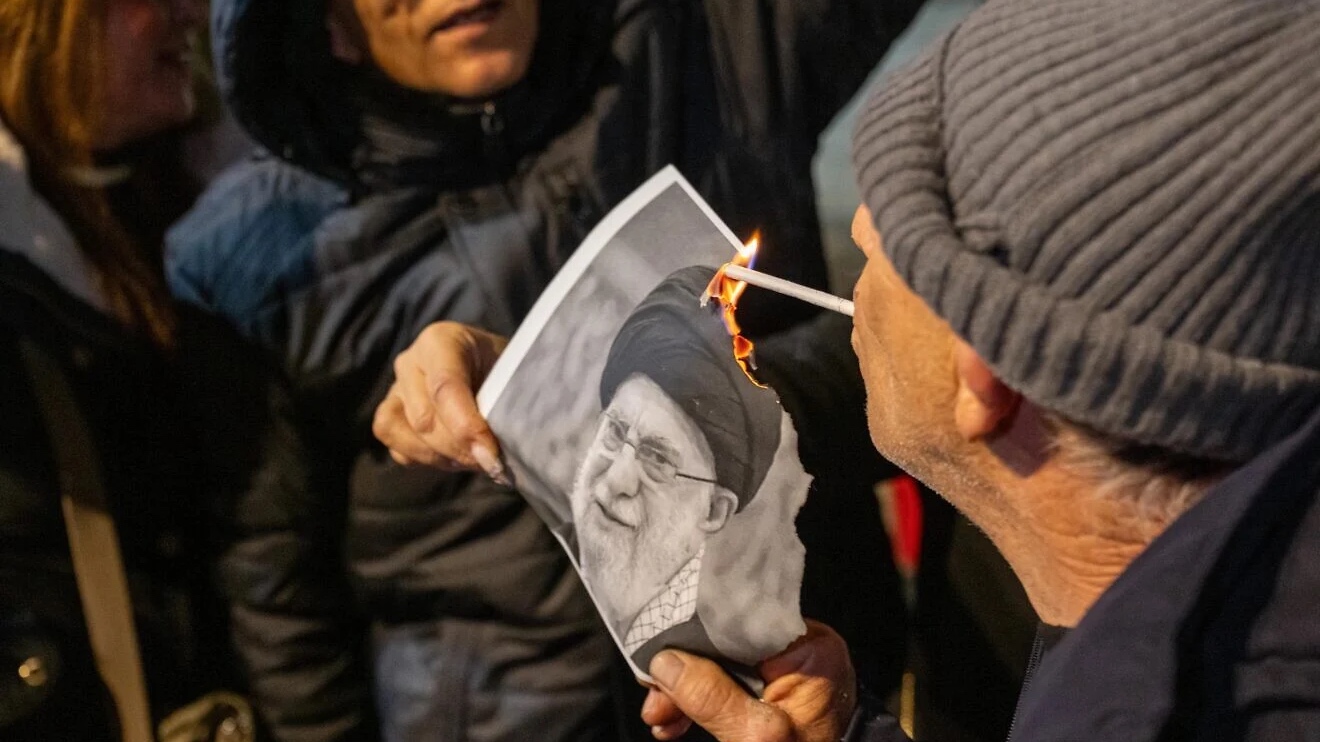
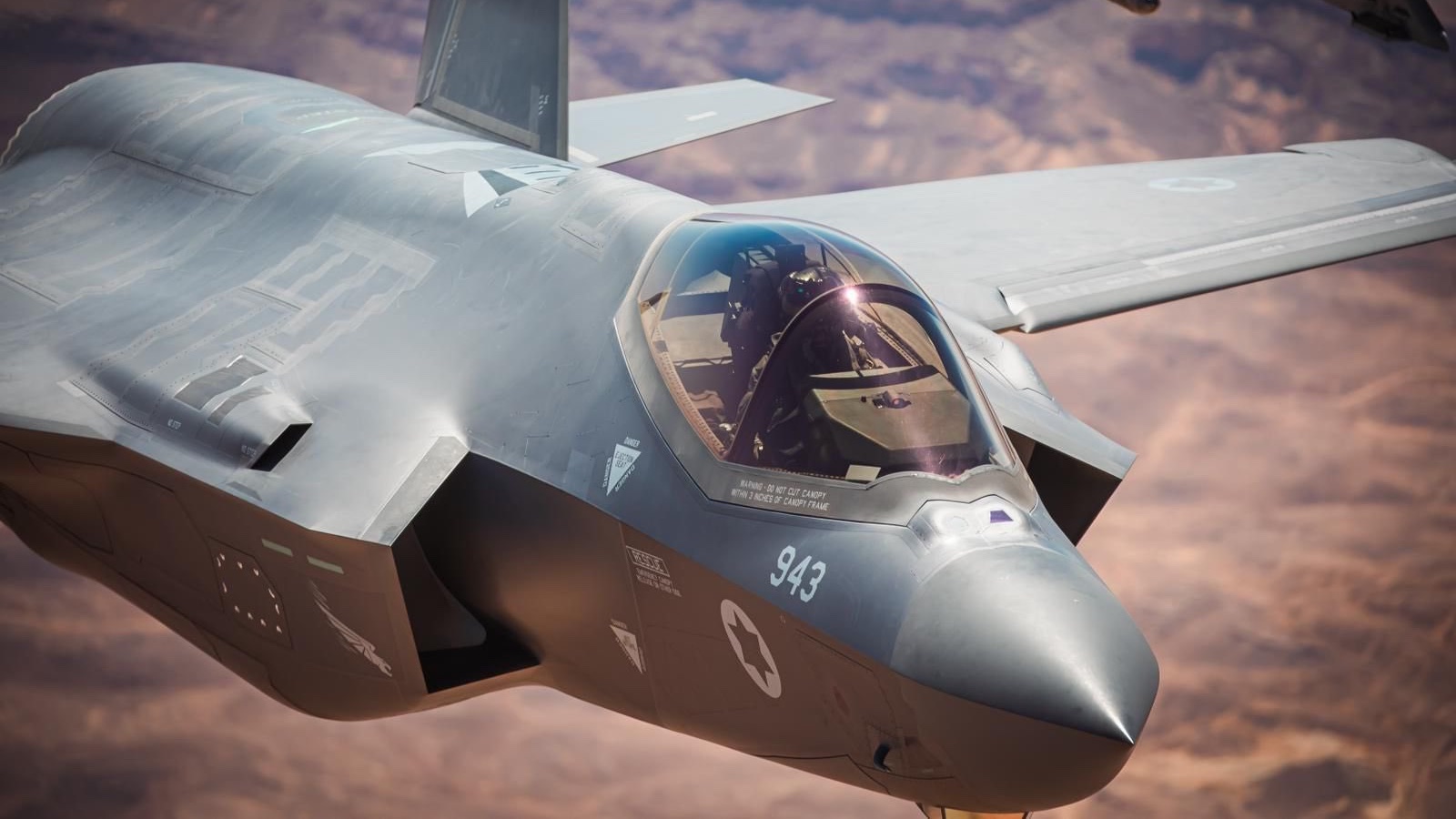
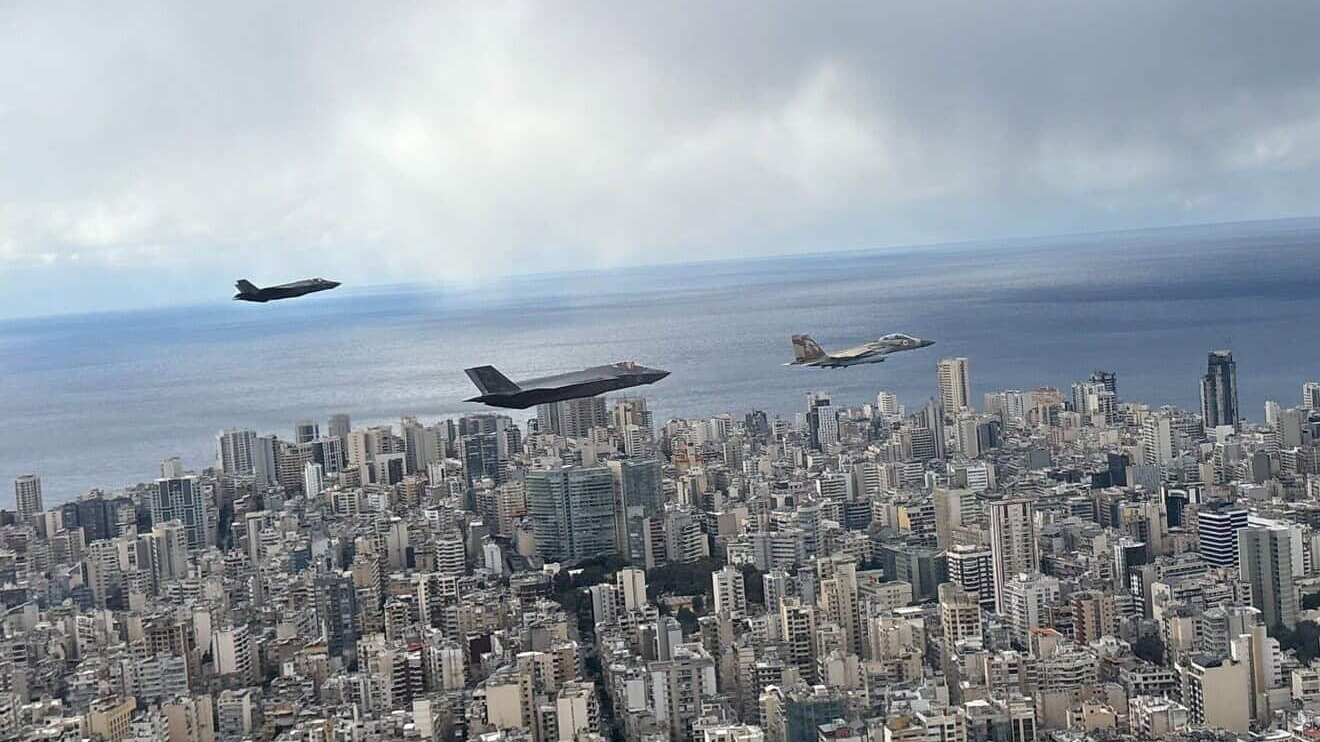
Nagel described this alternative path as a military option that could “bring the people out to the streets again and lead to the replacement of the corrupt and oppressive Iranian regime. No other way will solve the problem at the root.”
In a related analysis published in Maariv last week, Nagel warned that any agreement granting Iran sanctions relief or access to significant funds would enable Supreme Leader Ayatollah Ali Khamenei and the Islamic Revolutionary Guard Corps to seize control of the money, wait out Trump’s term and rebuild Iran’s terror networks and missile arsenal.
He added that such a scenario could allow Iran to break out toward nuclear weapons after 2028, when Trump’s second term would end.
“This result would endanger not only US allies and American forces in the region,” Nagel said, “but would also mark a betrayal by the American president of millions of Iranians who despise the regime and the tens of thousands murdered by it.”
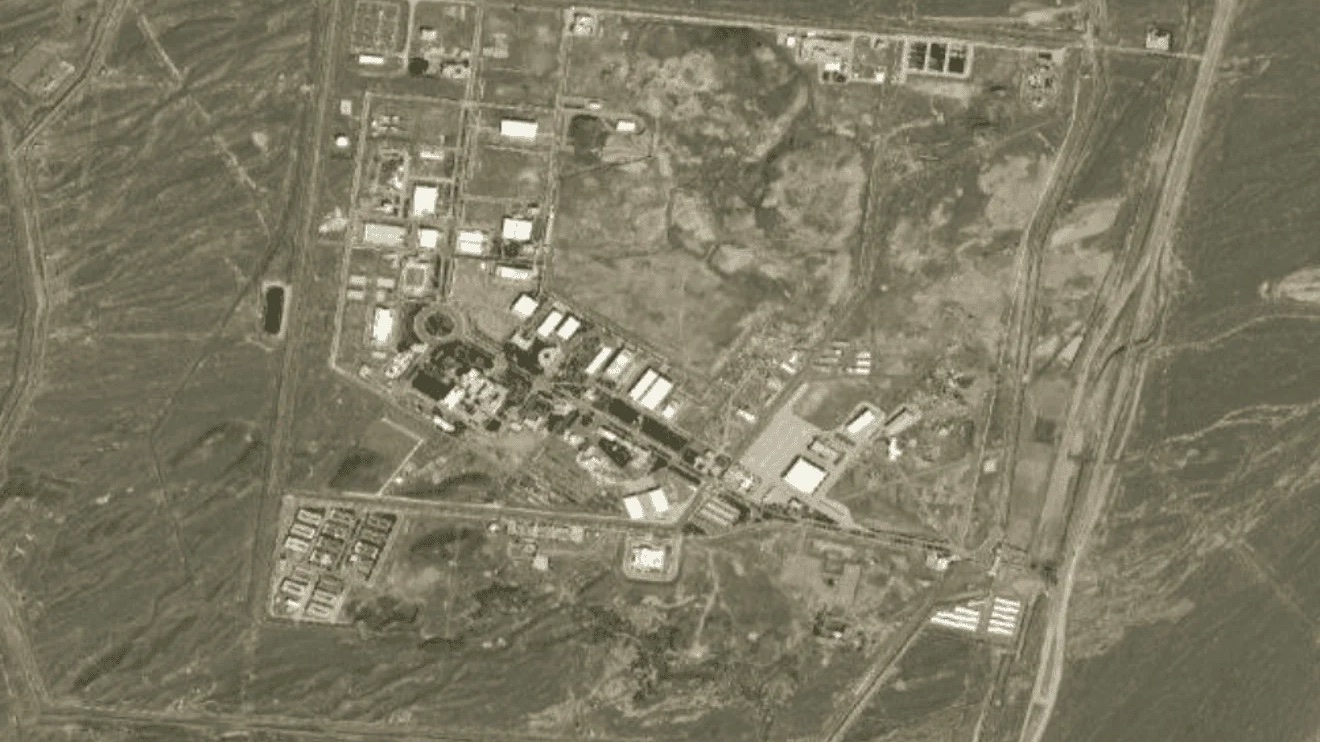
While diplomacy continues, activity on the ground inside Iran suggests preparations for further confrontation. A report released on Jan. 29 by the Institute for Science and International Security described an accelerated effort by the Iranian regime to bury critical infrastructure at the Esfahan Nuclear Complex deep underground.
Satellite imagery from late January shows extensive construction activity at the site’s tunnel complex. “As of January 29, the entrance is blocked by dirt,” the report said of the central tunnel entrance, while “fresh soil heaps appeared outside of the southernmost entrance.”
According to the institute, these burial efforts suggest preparation for additional military strikes, similar to measures taken ahead of US strikes during the 12-day war last June.
Iran is also reportedly attempting to smuggle in planetary mixers—specialized industrial machines essential for producing solid propellant for advanced ballistic missiles. Twelve such mixers were destroyed in an Israeli strike in October 2024, creating a major bottleneck in Iran’s solid-fuel missile production.
Solid-fuel missiles require far less preparation time before launch than liquid-fuel systems, which must be fueled in advance and are therefore easier to detect.
In December 2025, US Special Forces intercepted a cargo ship in the Indian Ocean en route from China to Iran, seizing military equipment intended for the IRGC, according to a Dec. 12 Wall Street Journal report.
Taken together, these developments point to a consistent picture: Iran remains vulnerable, but is rapidly rebuilding its missile and military capabilities.
Nagel warned that if the United States agrees to a diplomatic framework focused solely on uranium enrichment levels, it would amount to little more than a holding action—allowing Iran’s missile program, which Israel views as a future existential threat, to continue developing unchecked. Such a scenario, he said, would increase the likelihood of independent Israeli action.
Want more news from Israel?
Click Here to sign up for our FREE daily email updates