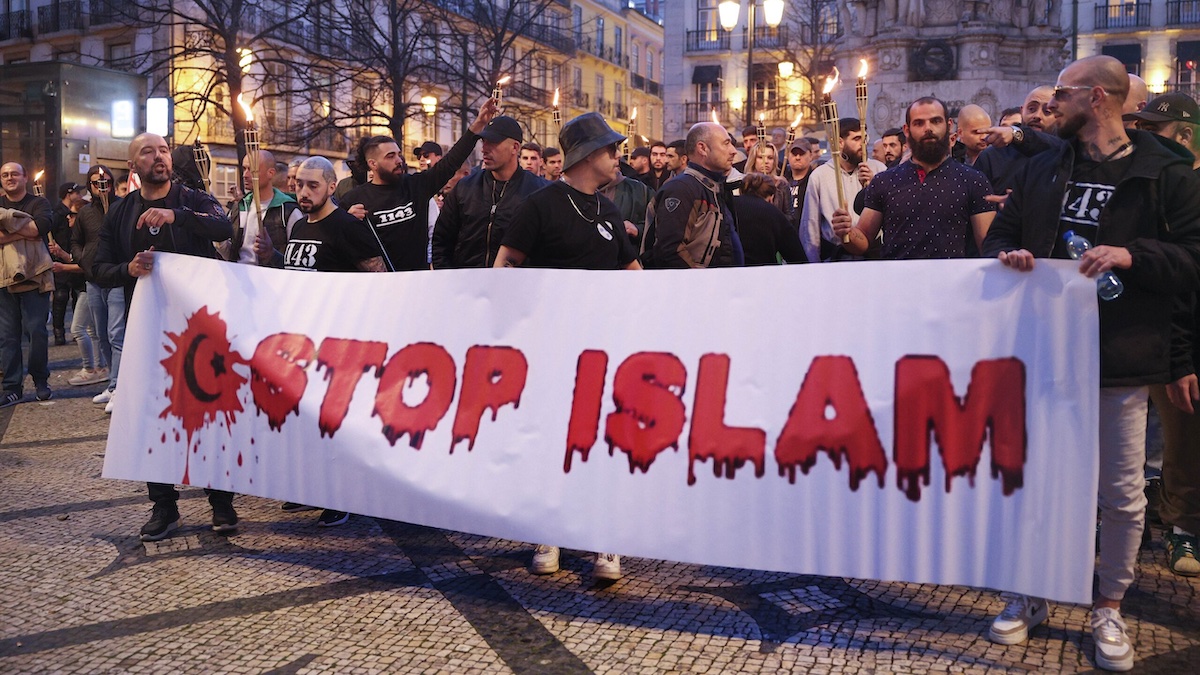

Why does the biblical story of Ishmael still echo in world politics today? What connects an Esau to left-wing NGOs, UN resolutions, and street protests in Berlin? And why can a prophetic alliance against Israel be seen between Ishmael and Esau, then as now?
Opinions
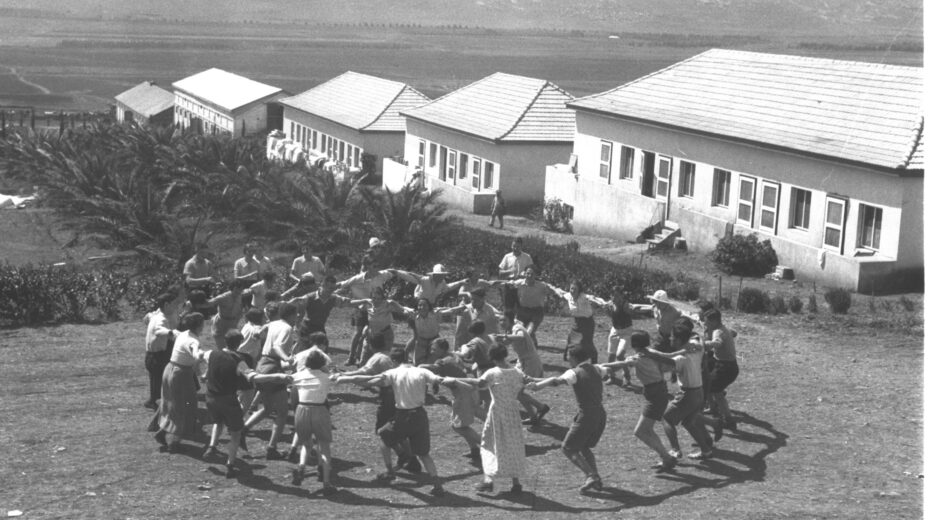
Sometimes truth hits you in the simplest words.
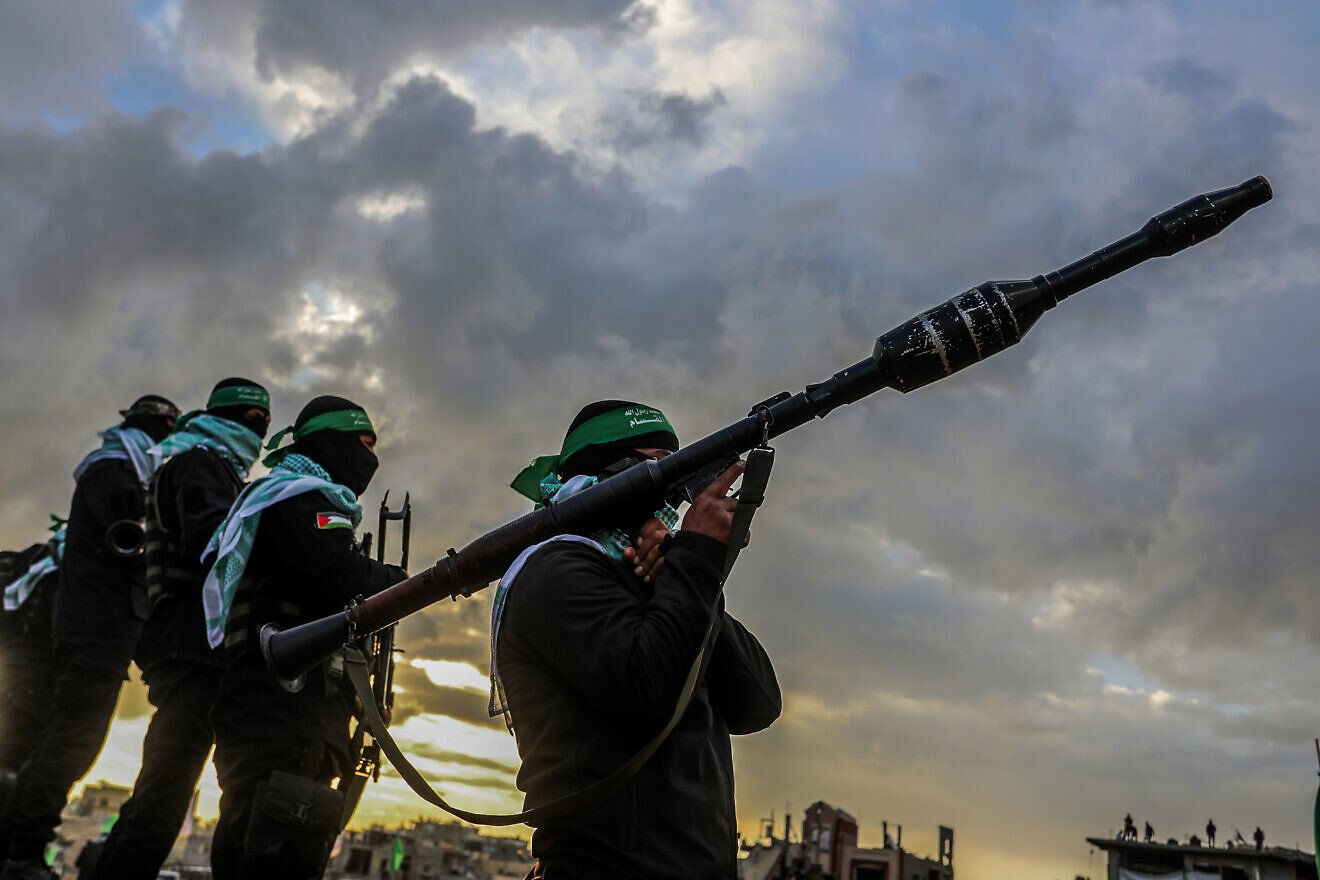
While the plan will likely involve costly, hand-to-hand guerrilla combat, Israel sees this option as the most viable for achieving its war goals.

They’ve consistently rejected one if it meant living in peace with a Jewish state. Do the idea’s advocates understand that their goal is Israel’s extinction, or do they want that, too?

Slander, once loosed, is nearly impossible to fully retrieve.

This Talmudic proverb means: There is such a thing as positive envy, and it leads those who experience it to grow in wisdom. This stands in contrast to negative, unacceptable envy.

As explained by Russian-born author Ze’ev Jabotinsky: “Take the violinists from the orchestra … and the orchestra is at a loss.”
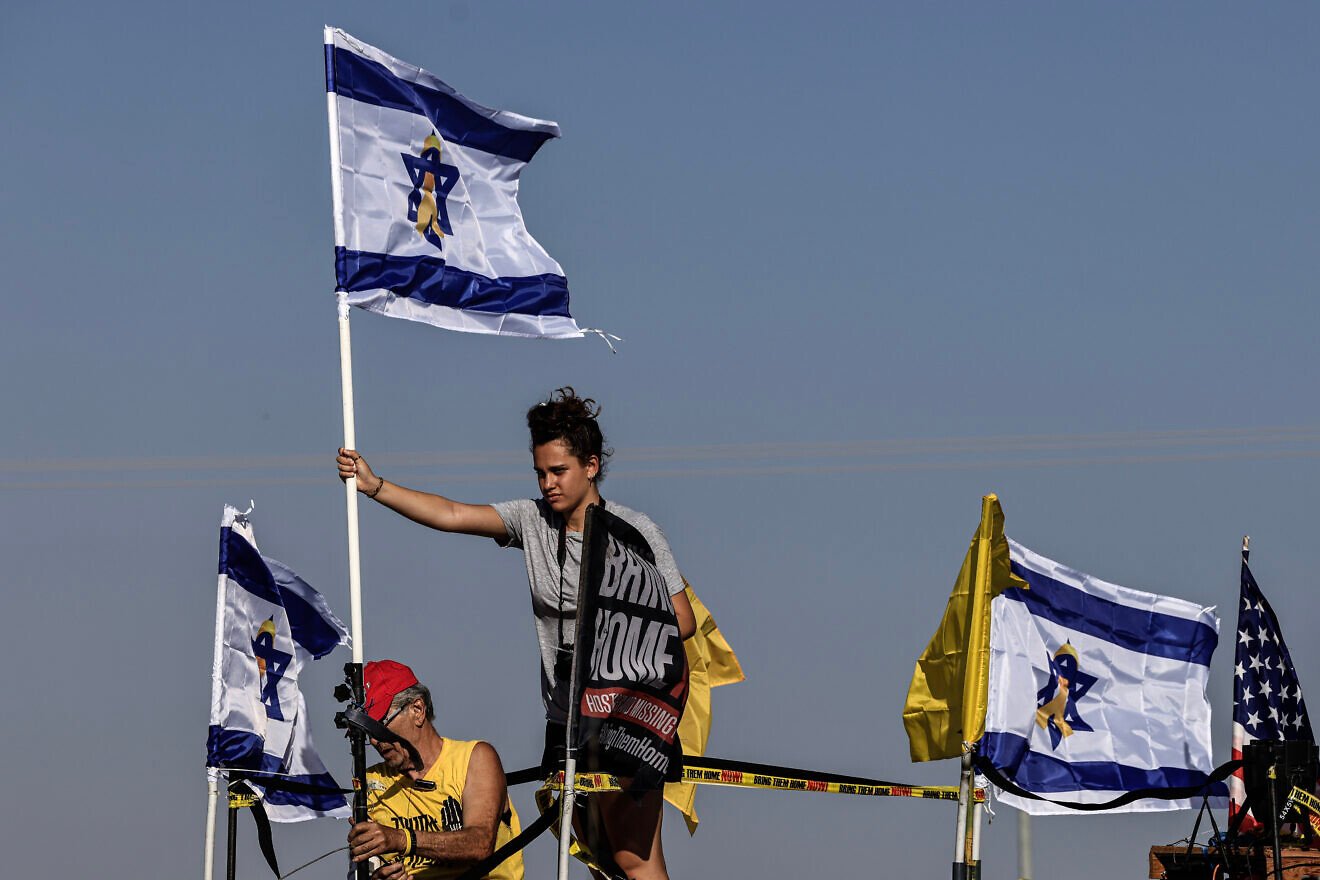
Though critics pretend otherwise, Jerusalem has exercised restraint that no other military would. It has bent over backward to protect civilians—at enormous strategic and political cost.
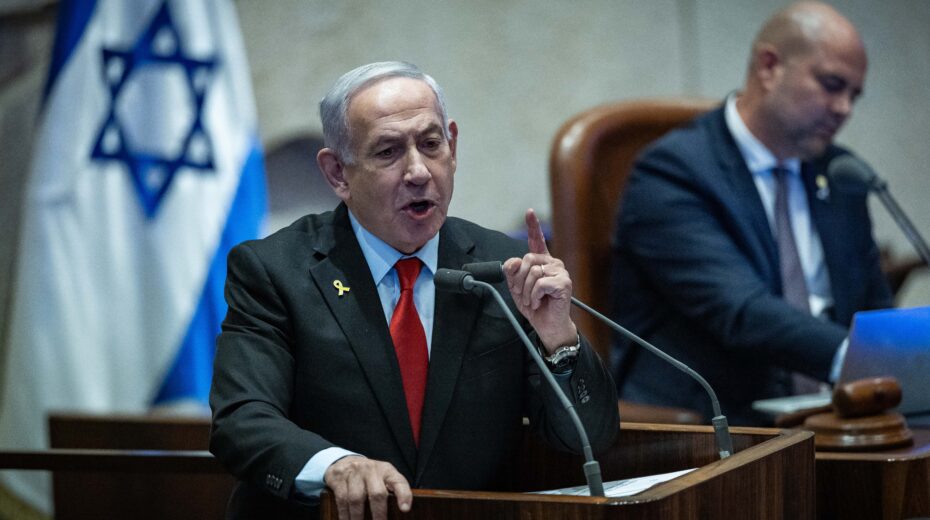
The Israeli public moves to the rhythm of an ancient biblical pattern—between hope and fear, vision and reality, praise and grumbling.