Forty-two young men flew home this week after a year of Torah study at Chabad headquarters in Brooklyn. At Ben-Gurion Airport, the military police were waiting. Forty were released after pledging to begin the enlistment process and received suspended sentences. Two were sent to military prison.
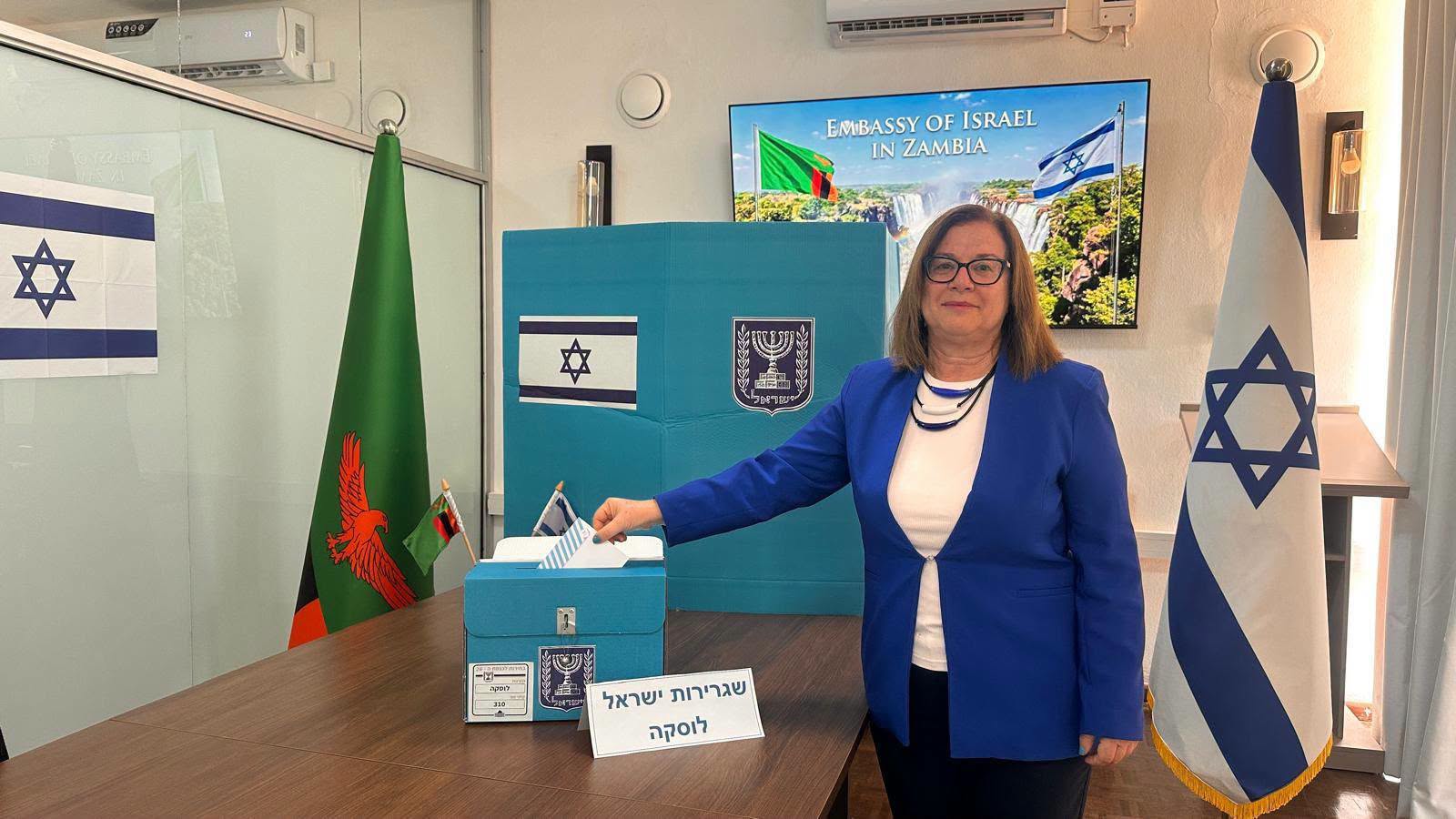
The scene captured one of the main questions hanging over Israel’s October 27 election. Can a nation at war keep exempting tens of thousands of its young men from the army in the name of Torah study?
The numbers behind the crisis
Attorney General Gali Baharav-Miara told the High Court this week that more than 67,000 Haredi men are classified as draft dodgers or failed to report after receiving orders. Across Israeli society the figure is about 110,000, and roughly 80 percent of them are ultra-Orthodox.
There is movement. Haredi enlistment rose 65 percent in the past year, from about 2,800 to nearly 4,300. But for an army stretched by three years of war on several fronts, that remains far short of what commanders say they need.
From 400 to tens of thousands
The exemption dates back to 1948, when David Ben-Gurion agreed to release 400 yeshiva students from service. The great yeshivas of Europe had just been destroyed, and most Haredi men of that generation fought in the War of Independence. Ben-Gurion expected the exemption to fade.
Instead, it grew. A cap of 800 new students a year was lifted in 1977, when Haredi parties joined the government. The 2002 Tal Law, meant to encourage Haredi enlistment, produced few recruits and was struck down by the Supreme Court in 2012. In June 2024, the High Court ruled unanimously that there was no longer any legal basis for blanket exemptions.
Two convictions
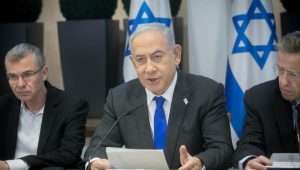
Prime Minister Benjamin Netanyahu called this week’s airport arrests “unacceptable.” Israel must preserve the world of Torah study, he said, because “it has preserved us.” For many Haredi families that conviction is sincere. For 2,000 years without a state or an army, the Jewish people endured, and many credit that survival to the study house.
Yet some Haredim have chosen another path. The IDF’s Hashmonaim Brigade, created in January 2025 for ultra-Orthodox soldiers, saw combat in Lebanon earlier this year. Those soldiers often pay a price at home. At a brigade event for recruits’ parents in Bnei Brak, extremists stormed the hall and beat a rabbi who teaches Torah to the soldiers.
The Bible frames the tension in a single question. When the tribes of Reuben and Gad asked to settle east of the Jordan, Moses replied: “Shall your brethren go to war, and shall you sit here?” He did not deny their request. But he did require that they share the burden of military conflict borne by their brothers.
Tuesday’s vote will not settle the matter. But whoever forms the next government will face the question Moses asked on the banks of the Jordan, and the answer will help define what kind of Jewish state Israel becomes in the fateful years ahead.
Want more news from Israel?
Click Here to sign up for our FREE daily email updates