
The United Nations often presents itself as the world’s impartial referee. But a new report suggests that, when it comes to Gaza, even basic fact-checking has been sacrificed in favor of reinforcing a familiar narrative.
According to research released by UN Watch, UNESCO repeatedly identified members of Hamas and Palestinian Islamic Jihad as “journalists” after they were killed during the war—despite later evidence confirming their involvement in terrorist organizations.
See related: How many journalists have been killed in Gaza? The answer is zero
The watchdog says several of the names included in UNESCO’s public statements were subsequently acknowledged by Hamas or Palestinian Islamic Jihad as members of their own ranks. Yet those designations have reportedly remained unchanged.
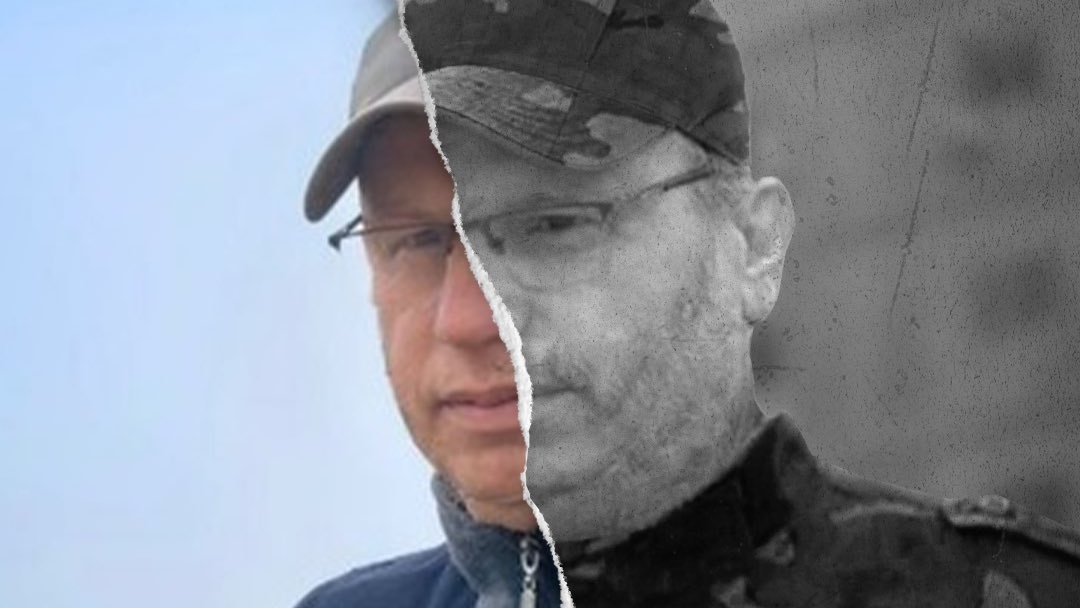
One case highlighted in the report involves Mohammed Manhal Abu Armana, initially described by UNESCO as a journalist. Hamas later celebrated him as a military commander, releasing footage showing him armed and participating in combat operations.
Another concerns Anas al-Sharif, whom UNESCO identified as an Al Jazeera journalist. According to the report, Israeli authorities had already published intelligence showing he led a Hamas cell involved in coordinating rocket attacks before UNESCO issued its statement.
The issue extends beyond individual cases. When a UN agency publicly classifies armed operatives as journalists, it doesn’t simply record events—it influences international headlines, diplomatic discussions, and public perception.
UN Watch argues that UNESCO’s credibility depends on rigorous verification, particularly in a conflict where information warfare is as strategic as military operations. The organization is urging UNESCO to review every journalist casualty statement issued since October 7, 2023, correct any inaccuracies, investigate how these classifications were made, and identify those responsible for the failures.
Protecting genuine journalists is a vital international responsibility. But that mission is undermined when the distinction between reporters and combatants becomes blurred. Accuracy is not a technicality. It is the foundation of credibility—and without it, institutions tasked with defending truth risk becoming vehicles for misinformation themselves.
Want more news from Israel?
Click Here to sign up for our FREE daily email updates