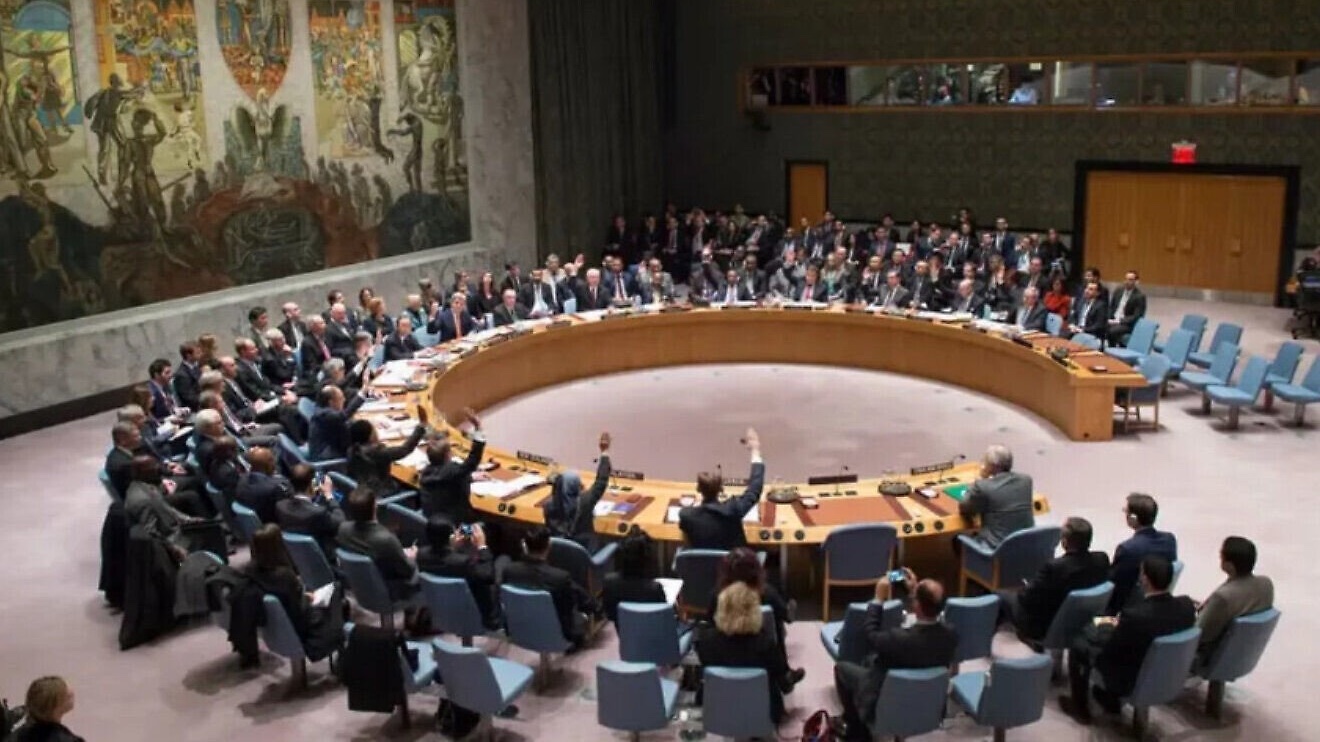
(JNS) As the ambassadors of the 15-member United Nations Security Council prepare to visit Syria and Lebanon this week, Jerusalem’s UN envoy has a message: pay attention to actions, not words.
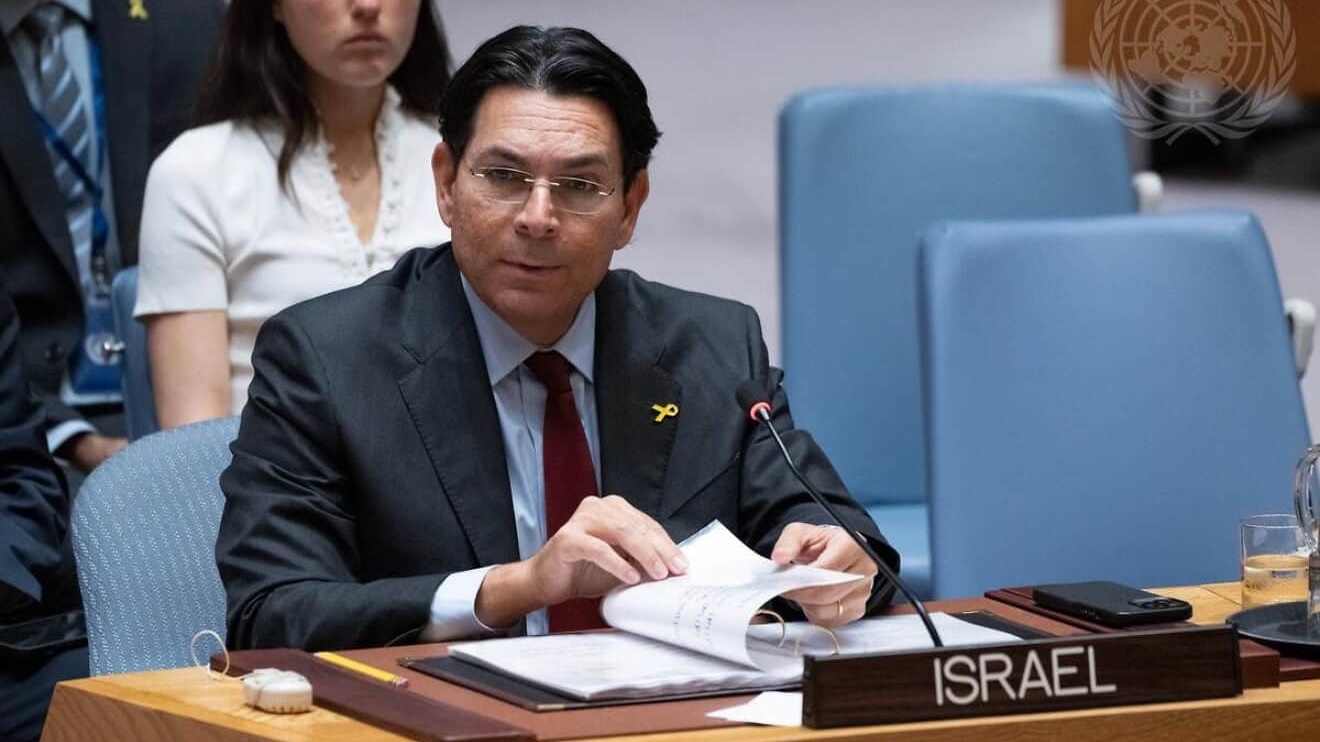
“It’s not enough to hear the declarations of the leadership” in Damascus and Beirut, Ambassador Danny Danon told JNS.
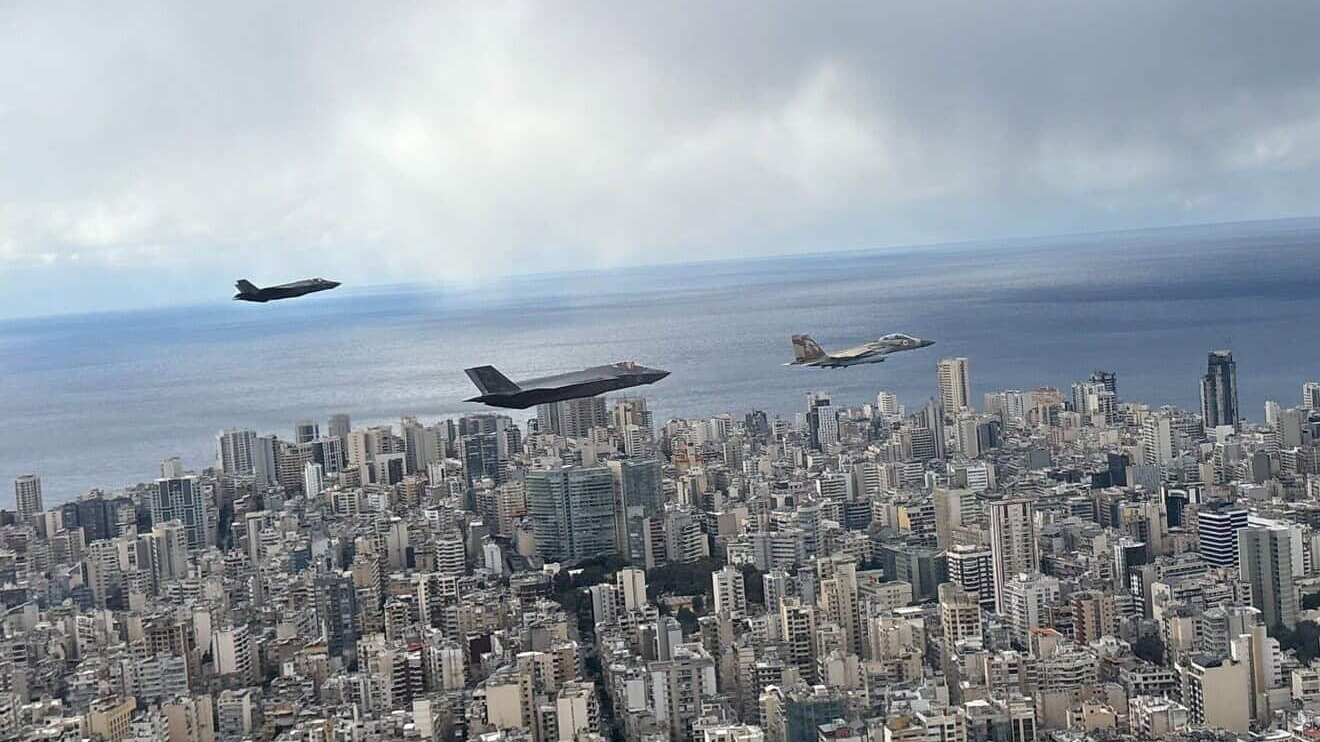
The Lebanese government has drawn the ire of the Trump administration for its inability or unwillingness to disarm the Iranian-backed Hezbollah terror group, which had firm control over Southern Lebanon until Israel debilitated its leadership and military capabilities over the last year-plus.
“If you look at Lebanon, we hear a lot of interesting voices coming from the government. But unfortunately, we don’t see the implementation, the redeployment into Southern Lebanon,” Danon said of Beirut’s commitment to have the Lebanese Armed Forces reestablish sovereignty in the south and disarm Hezbollah, as called for in UN Security Council Resolution 1701.
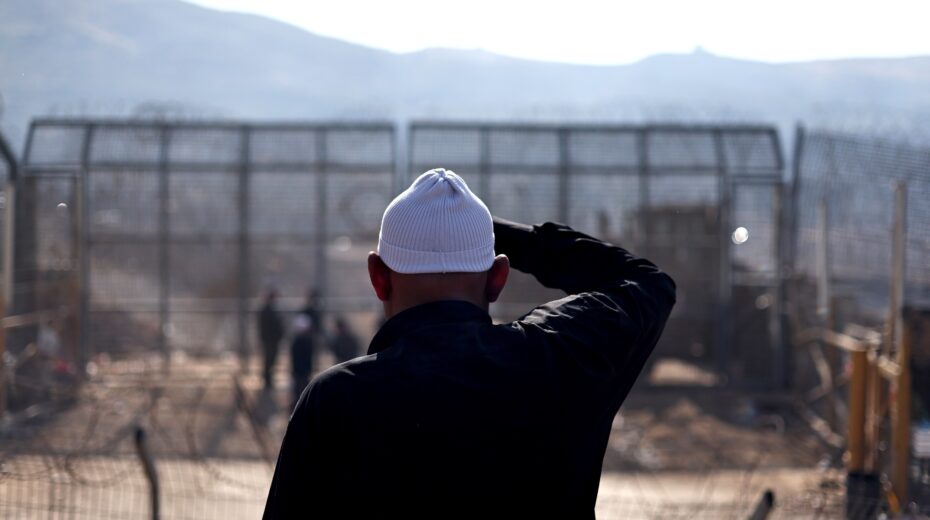
“And the same goes with Syria,” Danon added. “We hear a lot of news statements, but we are still worried about the security of the minorities in Syria and the presence of militias next to our border.”
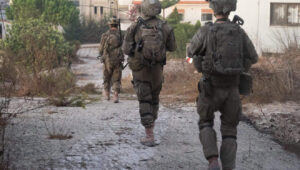
On Friday, an Israeli counterterrorism raid on the southern Syrian village of Beit Jinn led to a firefight and air strikes, with 13 people reportedly killed. Syria’s Foreign Ministry condemned what it termed a “war crime” by Israel.
The Israel Defense Forces said troops entered the village to arrest members of the Jamaa Islamiya militia, who it said “advanced terror attacks against Israeli civilians.”
Six IDF soldiers were injured during the operation, including three seriously.
The Security Council mission to Damascus is set for Thursday, just days ahead of the first anniversary of the deposing of longtime Syrian dictator Bashar Al Assad.
The Slovenian UN mission, which is leading the delegation as the council president for the month of December, says the ambassadors are slated to meet with Syrian President Ahmed al-Sharaa, who was subject to UN anti-terror sanctions until recent weeks.
The council will head to Beirut on Friday, then travel south on Saturday to meet with officials from the UN Interim Force in Lebanon, more commonly known as UNIFIL.
The peacekeeping mission was established in 1978 to oversee a truce between Israel and Lebanon, and is finally set to be disbanded at the end of next year, even as Israel and Lebanon trade accusations of ceasefire violations.
“We will cooperate with the United Nations. We think it’s an important decision,” Danon said of the Security Council mandating UNIFIL’s winding down. “And now it’s about time to discuss how the border will look in the future without UNIFIL.”
Kandice Ardiel, UNIFIL’s acting chief of strategic communication and public information, told JNS that the situation on the Israel-Lebanon border is more stable than it was a year ago, but that the goals set out by Resolution 1701 have yet to be accomplished, and time is now a factor.
“Our main focus at the moment is, of course, monitoring and reporting on 1701, but also supporting the Lebanese army, because they’re the ones who are meant to take over the security tasks that we’re currently fulfilling,” said Ardiel.
In the Security Council’s resolution to wind down UNIFIL’s operations, it calls for UN Secretary-General António Guterres to present options as to how to proceed without UNIFIL’s presence come 2027.
According to Ardiel, that’s part of the reason for the council’s delegation visit.
“They want to have a first-hand idea of what’s going on here, and specifically, to figure out what the best option is for later,” she said.
Danon told JNS he sees the council’s mission in the region as multi-pronged.
“It’s to listen and learn, and to evaluate the leadership, especially in Syria, to see their capabilities and where they’re heading,” said Danon. “There’s a gap between the declarations and the reality.”
While Washington has been coming down harder on the Lebanese government and LAF leadership in public comments, the Trump administration has been taking a much softer, complimentary line with Syria.
Danon would not directly comment on the US position, but noted that “the difference between Syria and Lebanon is in Lebanon, you have Hezbollah, and they’re taking a very active approach and trying to rebuild their presence and their strengths,” including weapons production and smuggling.
Want more news from Israel?
Click Here to sign up for our FREE daily email updates