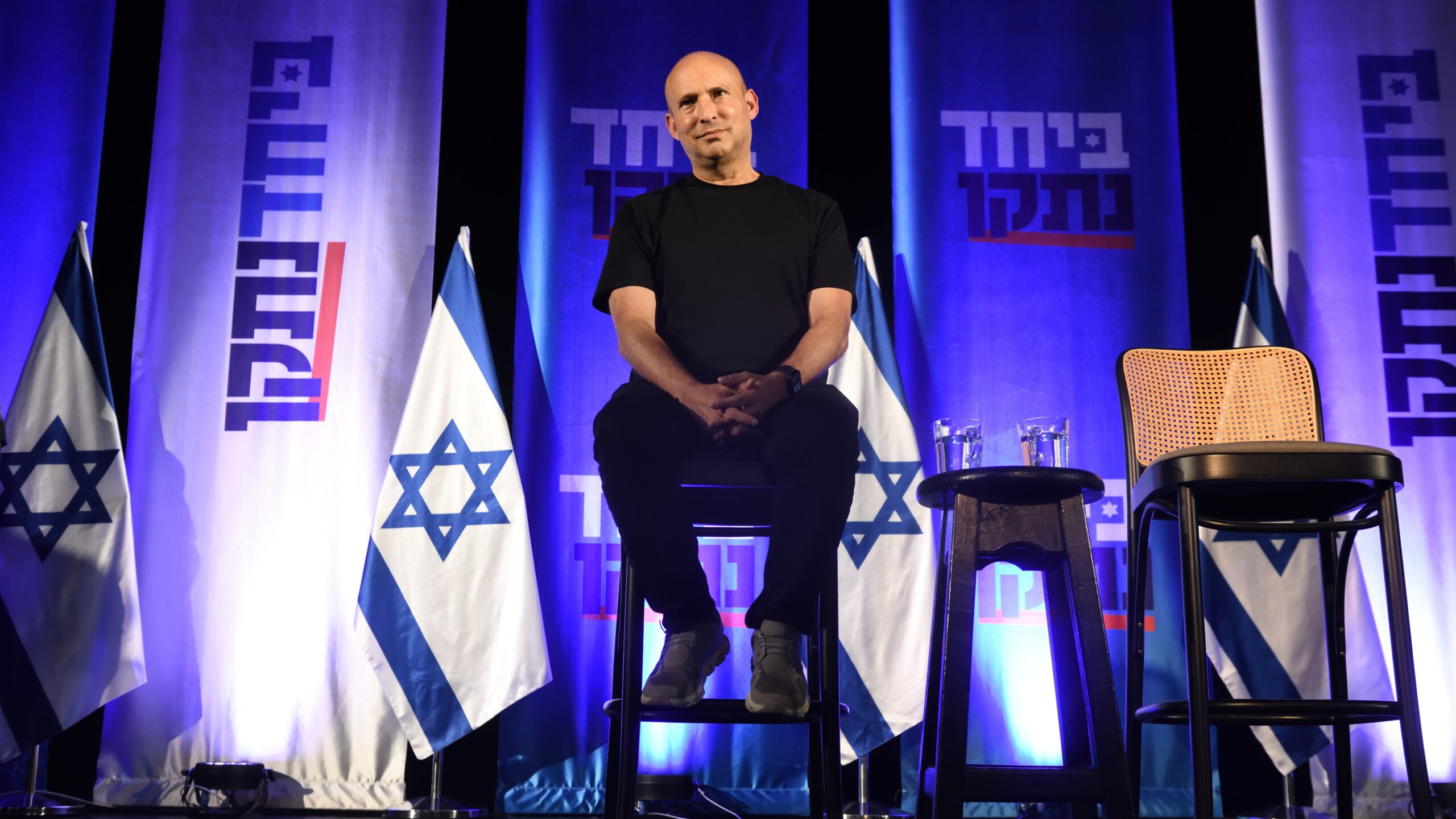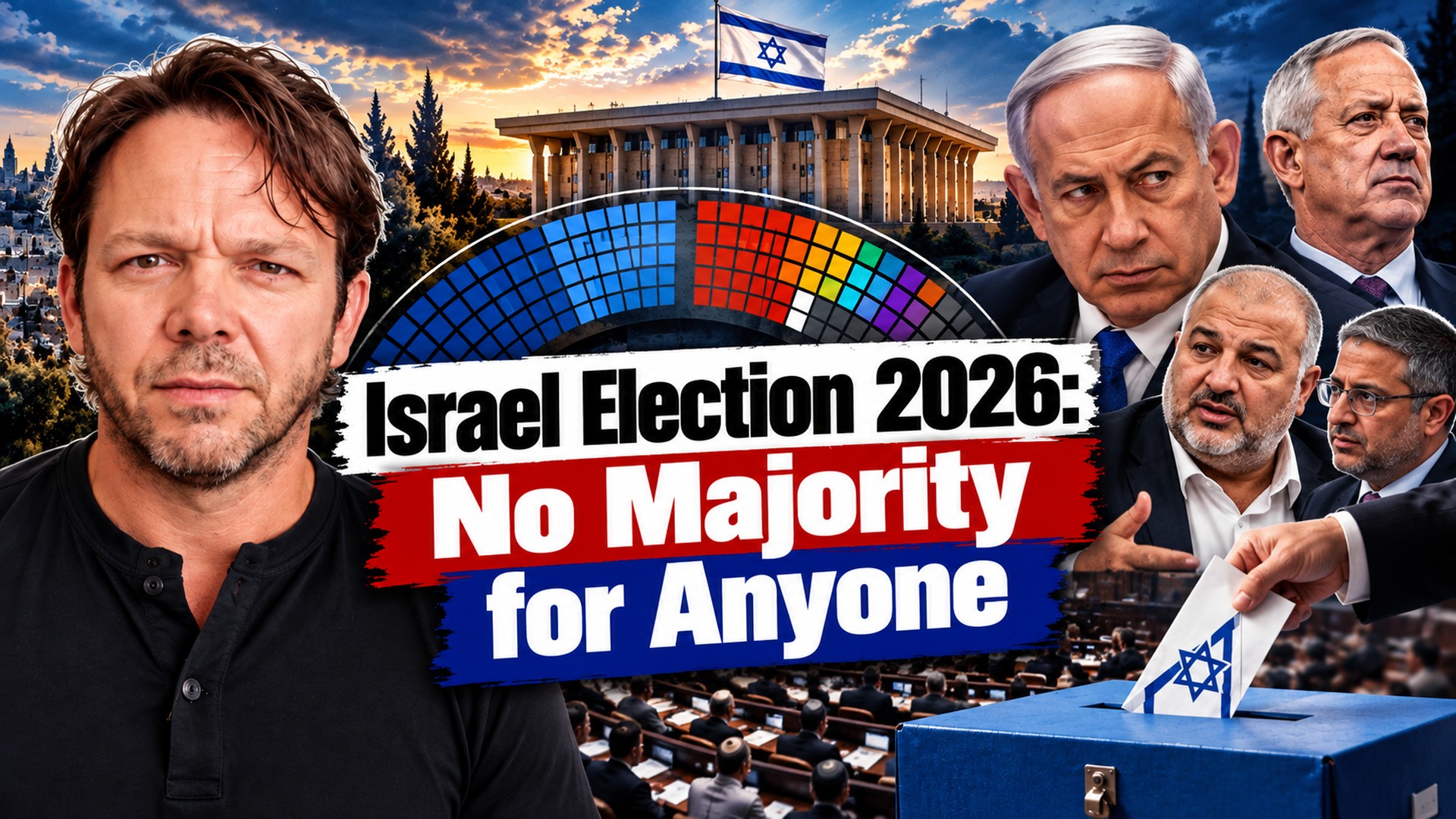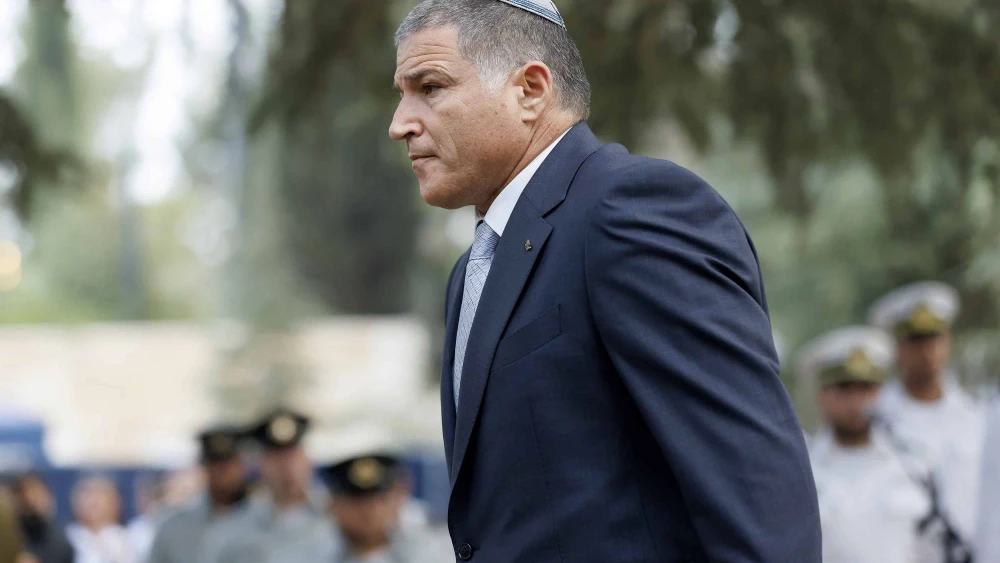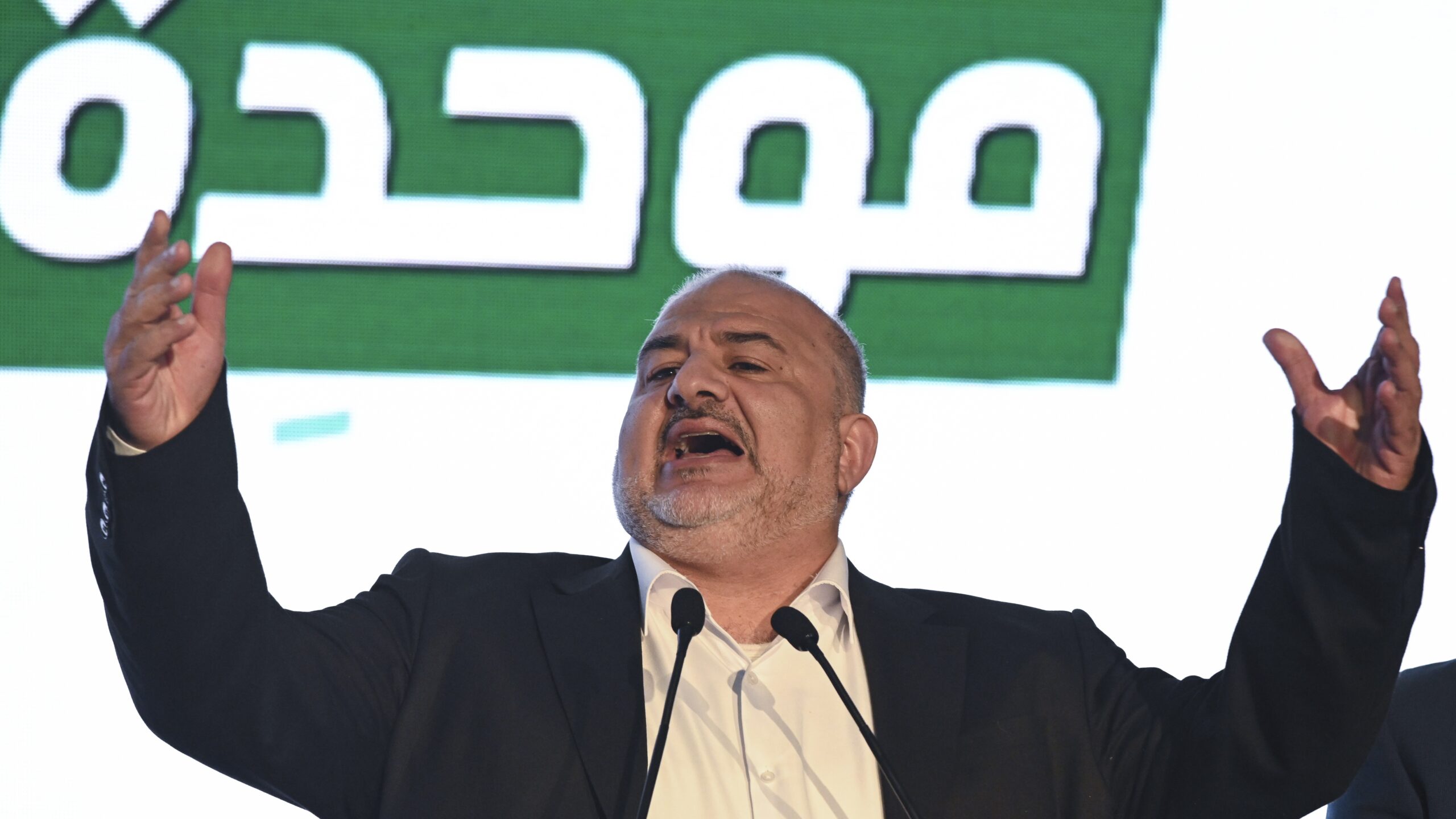

Israel has voted, yet no one can govern. While Benjamin Netanyahu and Gadi Eisenkot compete for power, it is the Arab parties that have become the decisive power factor. This is reminiscent of the 1990s, when Arab Knesset members provided parliamentary backing for Yitzhak Rabin’s controversial Oslo peace process. Today, the question arises once again: how far could their influence on Israel’s political future extend, and whether the Jewish parties are willing to overcome their divisions. The warning is unambiguous: those who paralyze each other politically risk allowing Arab forces to gain decisive influence over the future of the Jewish state.
Israel has voted, yet a governing majority is nowhere in sight. After all votes have been counted, Benjamin Netanyahu’s bloc holds 53 seats, the opposition bloc led by Gadi Eisenkot holds 48, and the Arab parties hold 19 seats, nearly twice as many as in the previous election. A majority in the Knesset requires 61 seats. Netanyahu is eight seats short, yet the opposition wants to replace him. Eisenkot...
Become a Member
-
Read all member content
Get exclusive in-depth reports from Israel.
-
Get exclusive in-depth reports from Israel
Connect with Israel, right from your home.
-
Lift up the voice of truth and hope
Support Jerusalem-based Zionist journalism.

Already a member? Login here.