The initiative aims to connect investors with businesses and projects that can “scale from local operations into nationally competitive businesses.”
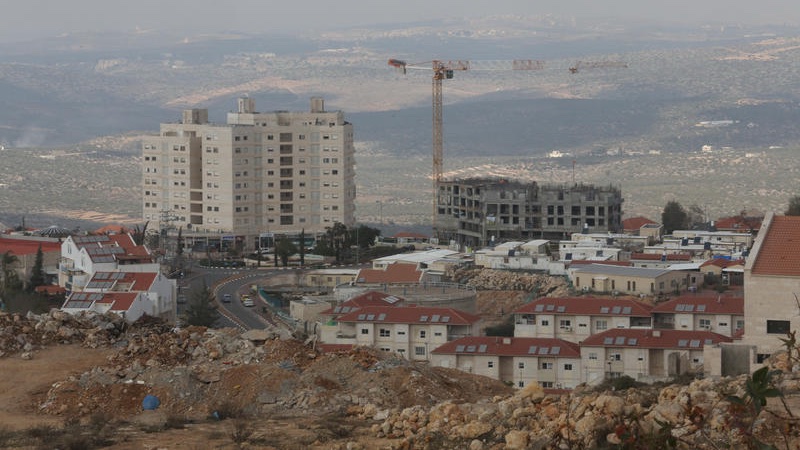
The initiative aims to connect investors with businesses and projects that can “scale from local operations into nationally competitive businesses.”
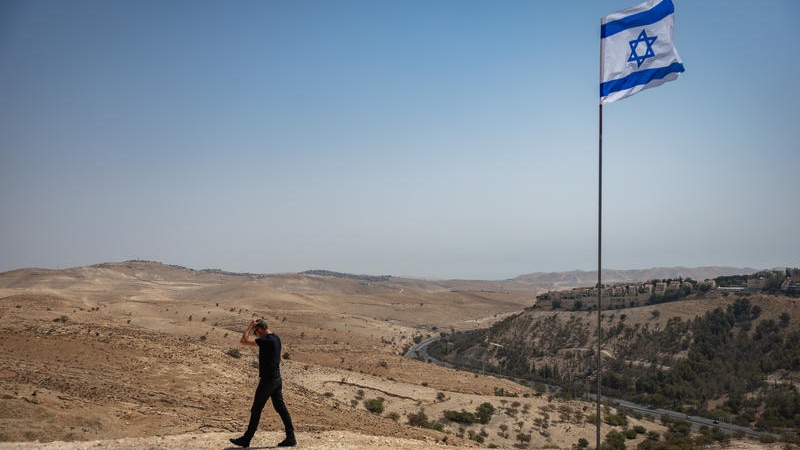
“Efforts to redefine and rename Judea and Samaria as the ‘West Bank’ are intended to disconnect the region from Israel itself,” said the founder and president of the National Association of Christian Lawmakers.
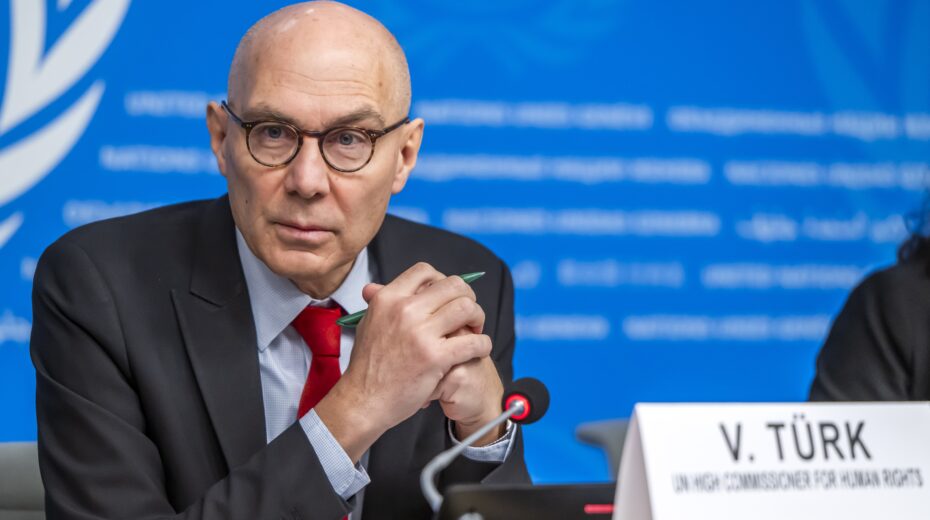
A UN report levels the apartheid accusation against Israel in Judea and Samaria – thereby further intensifying an already deeply polarized international debate.
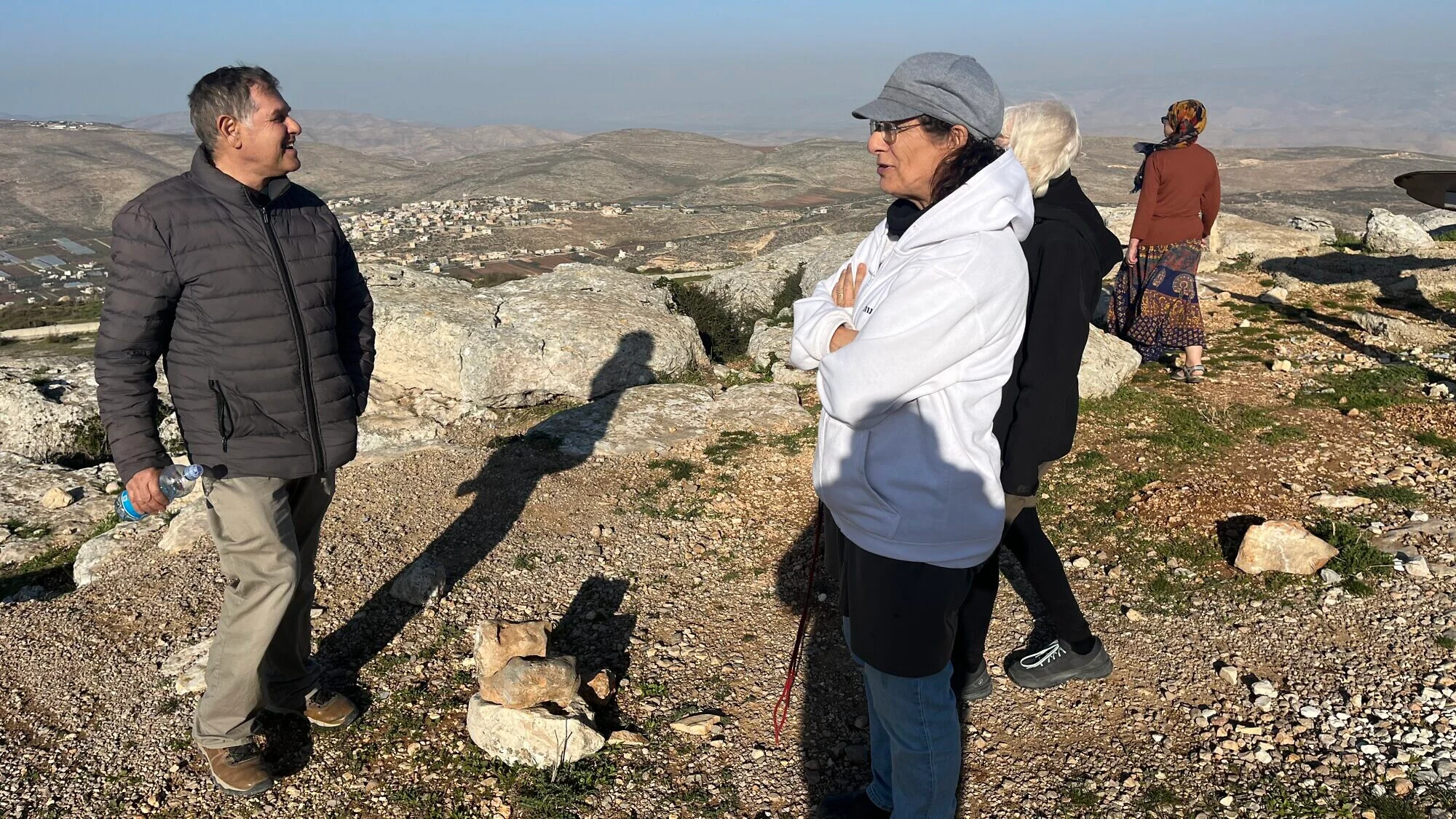
“If a left-wing government comes to power, everything you see here could be uprooted,” Sovereignty Movement co-chair Nadia Matar tells JNS.
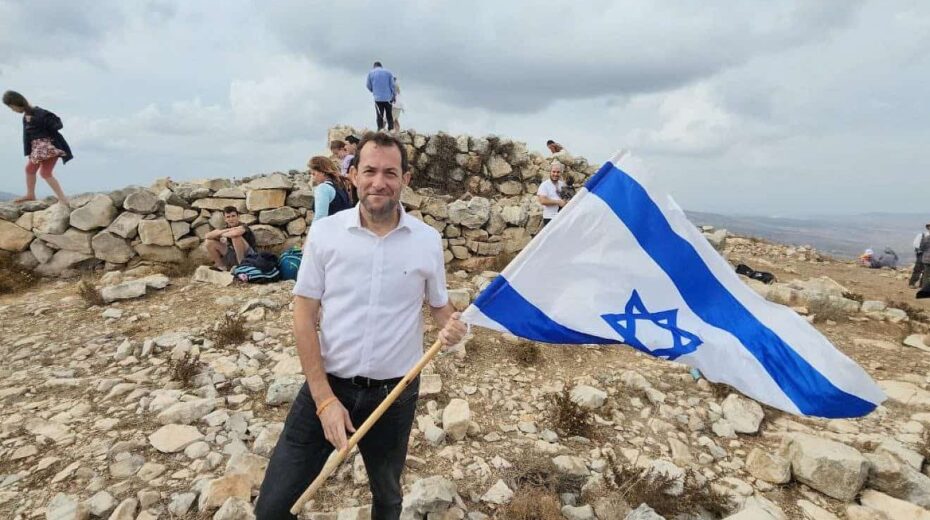
Yossi Dagan urges government to change name of COGAT to “Coordinator for Government Activities in Judea and Samaria.”
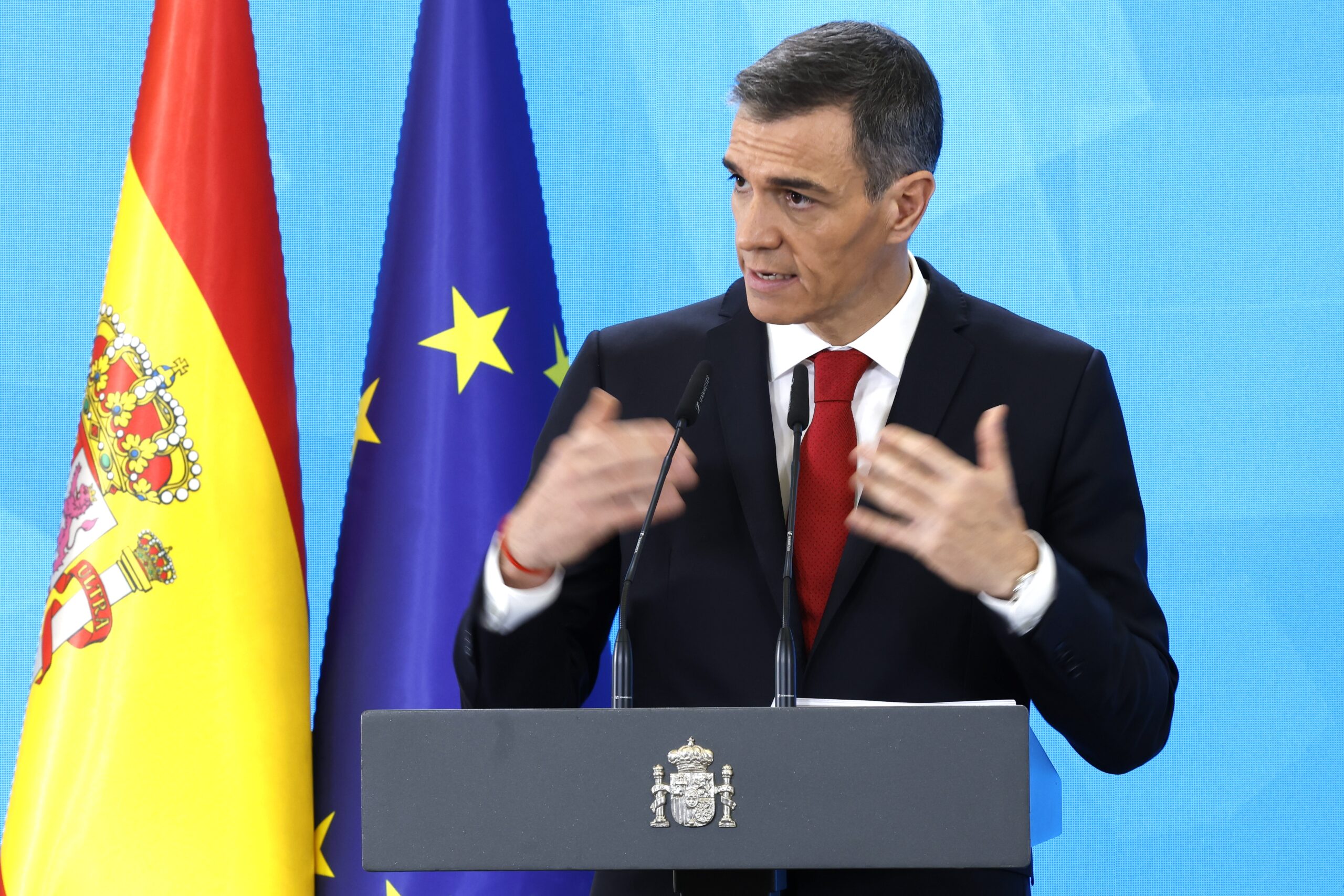
The decree, which was immediately contested in court, makes it the first major member of the European Union to adopt such a measure.

Following a deadly attack in northern Israel, Israeli forces imposed a complete siege and closure on the Palestinian city of Qabatiya in the so-called West Bank, from which the perpetrator launched the attack, Defense Minister Israel Katz announced.
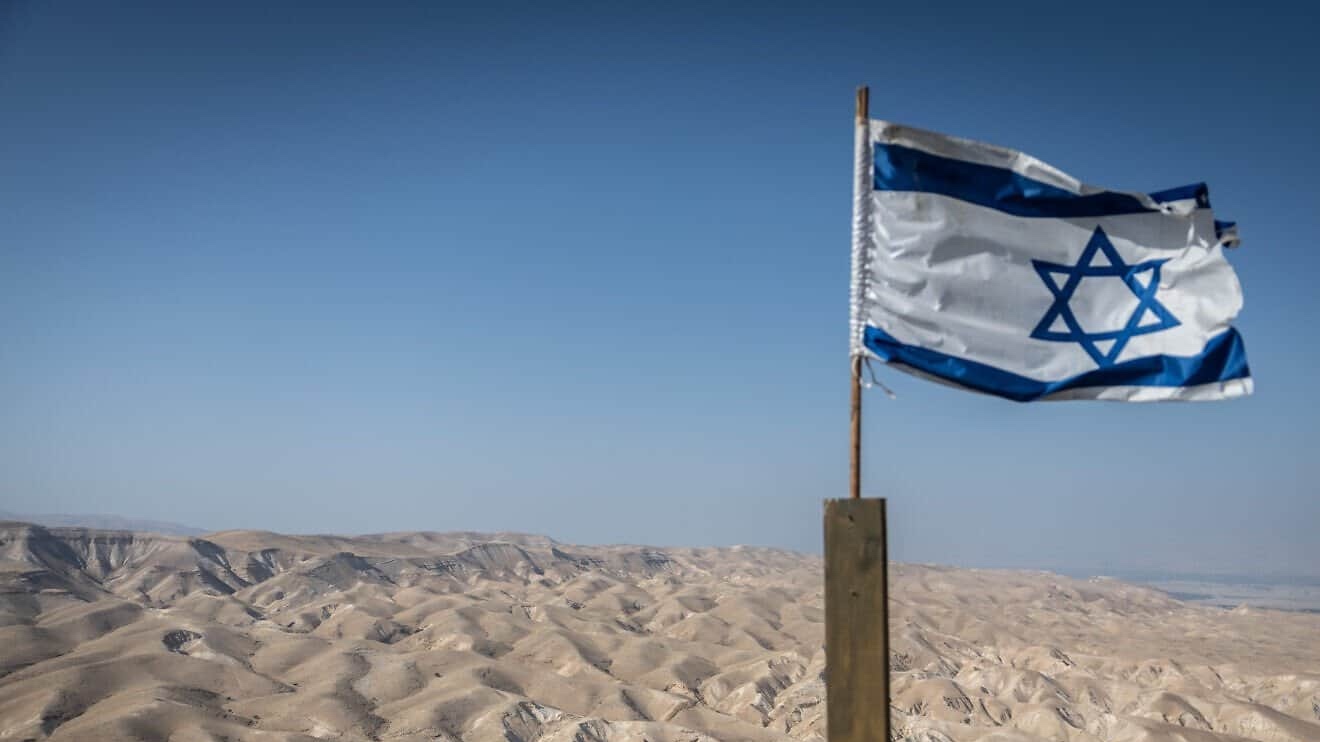
“We recall our clear opposition to any form of annexation and to the expansion of settlement policies,” said 14 mainly European countries, led by France.

Words have power. But how much power does a single word actually hold?
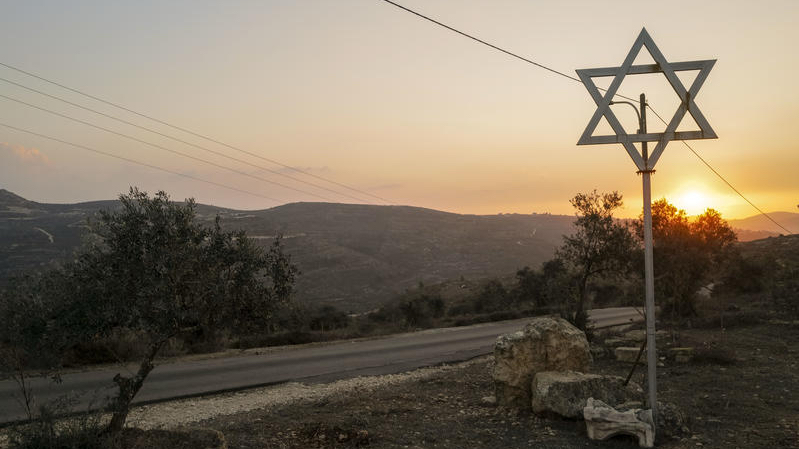
Washington slams UN fixation on Resolution 2334, backs Trump plan as path to security; Israel warns such performances encourage Jew-hatred.