Maximum pressure, postponed force, and the question of whether Trump will finish what Iran’s own people have begun.
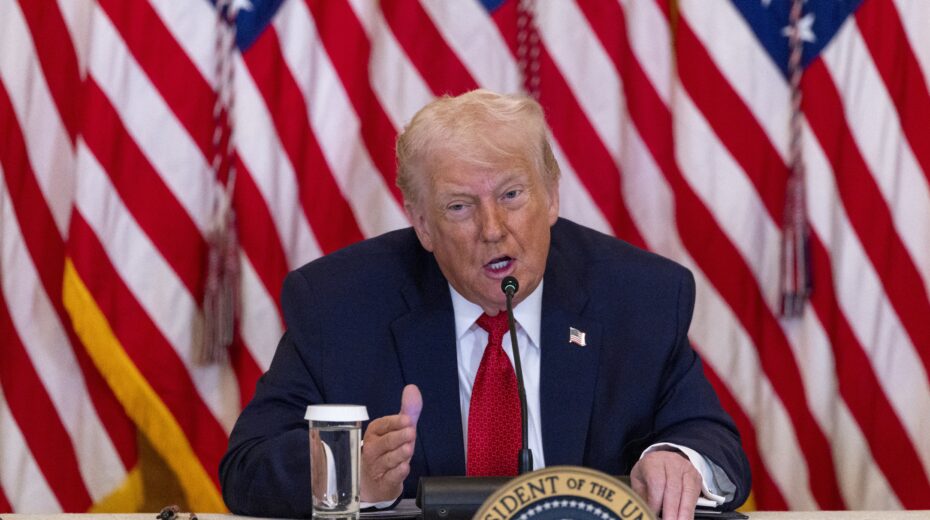
Maximum pressure, postponed force, and the question of whether Trump will finish what Iran’s own people have begun.
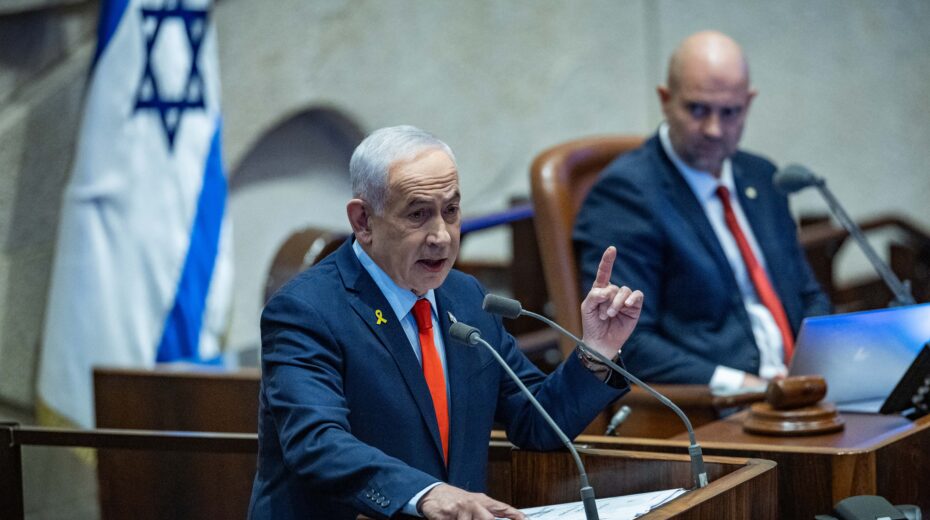
While the United States is establishing its “Board of Peace” to rebuilt the Gaza Strip, Netanyahu has openly distanced himself from parts of the plan—due to significant security concerns regarding the involvement of hostile regional actors.
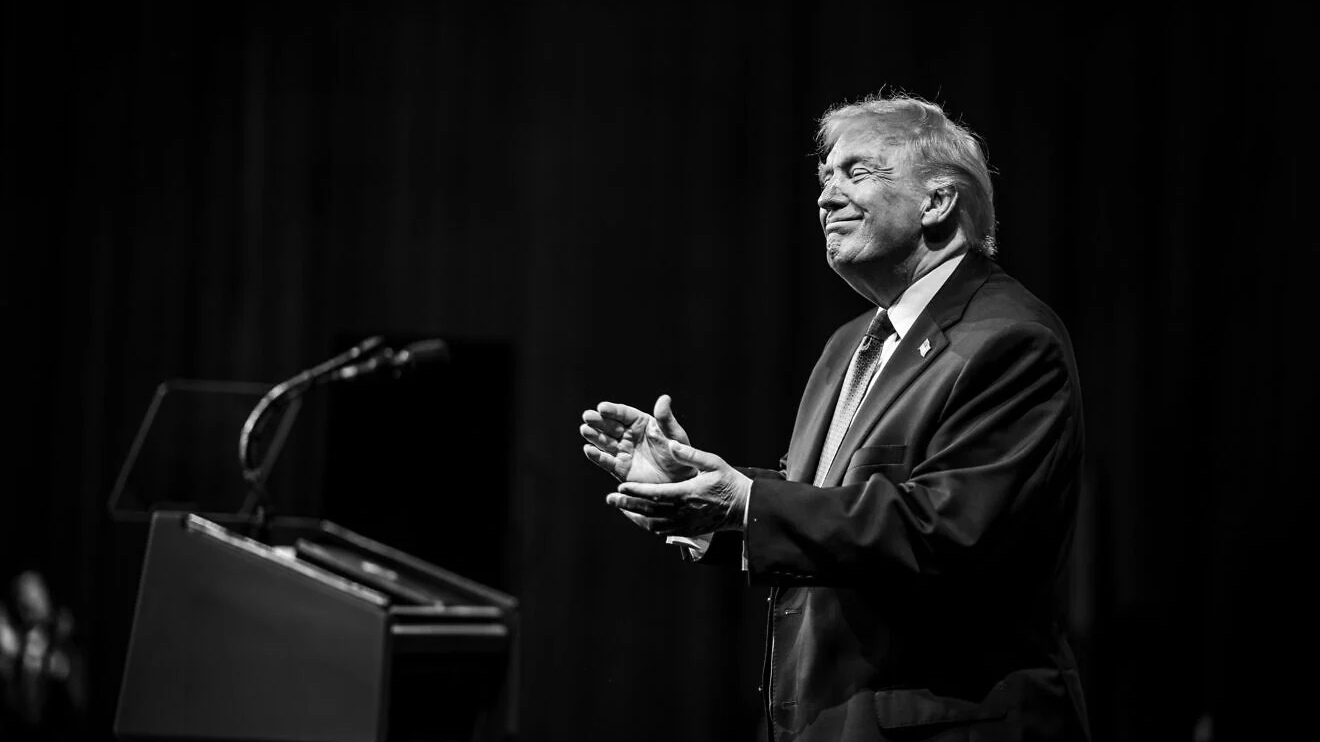
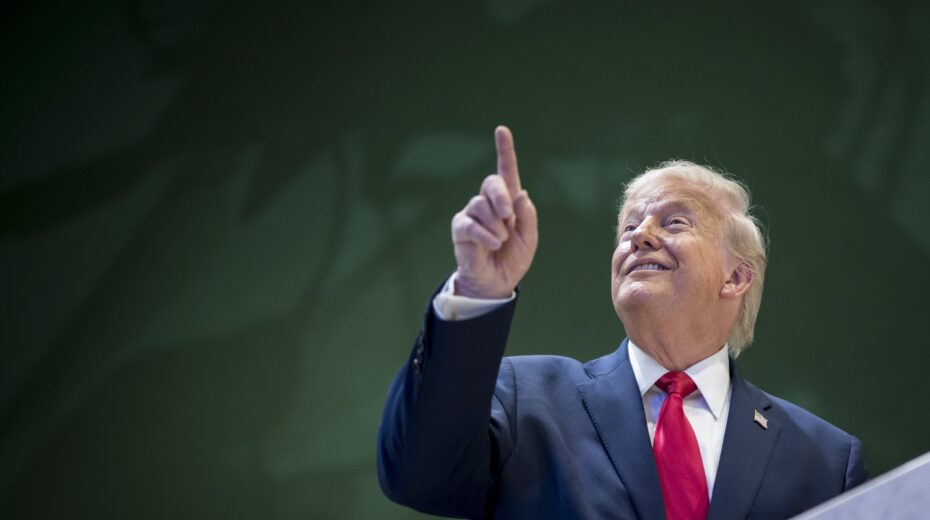
The president’s tough talk won’t suffice if the administration passes on an opportunity to topple the mullahs and chooses to let Hamas survive.
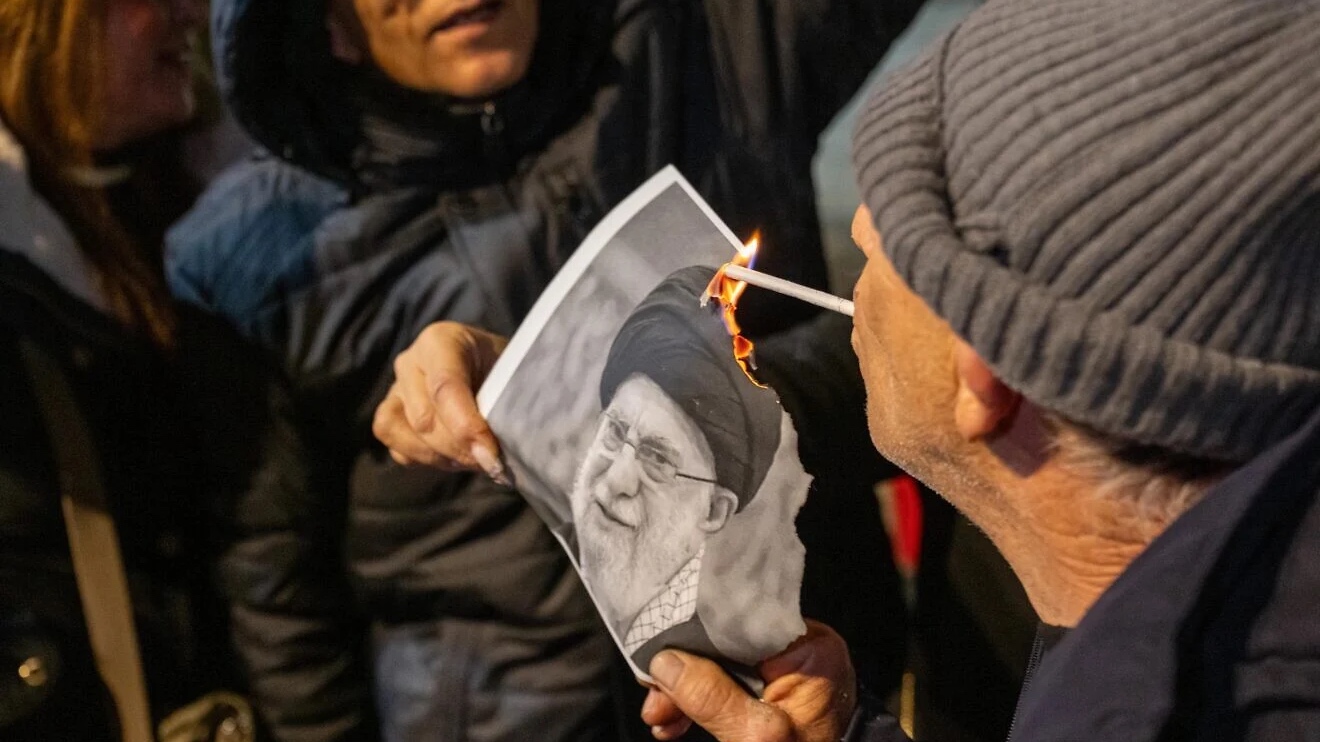
“The regime perceives these protests as an existential threat, and it’s willing to use any tools it has at its disposal to get rid of this threat to its survival,” Annika Ganzeveld, of AEI’s Critical Threats Project, told JNS.
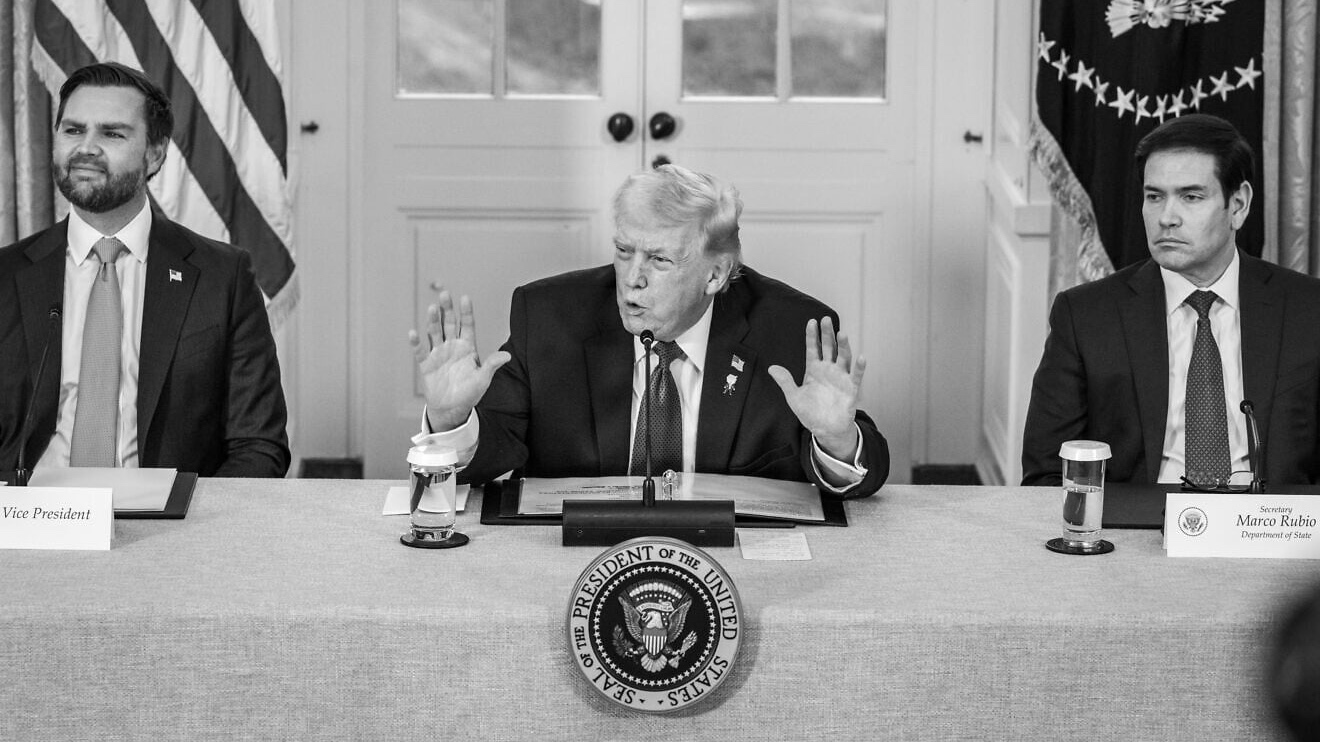
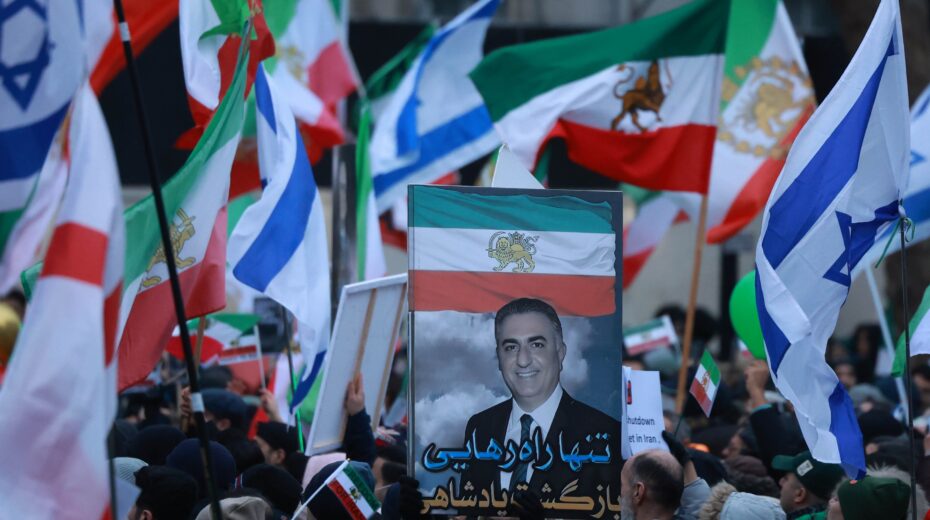
As Iran’s repressive regime weakens and its people bleed in the streets, the United States signals that this time, indifference is not an option.

Everyone is discussing Donald Trump and his move against Venezuela. In truth, it is not about drugs, not about terror, and not about oil—at least not in the way most people think. The core of the matter is being missed.
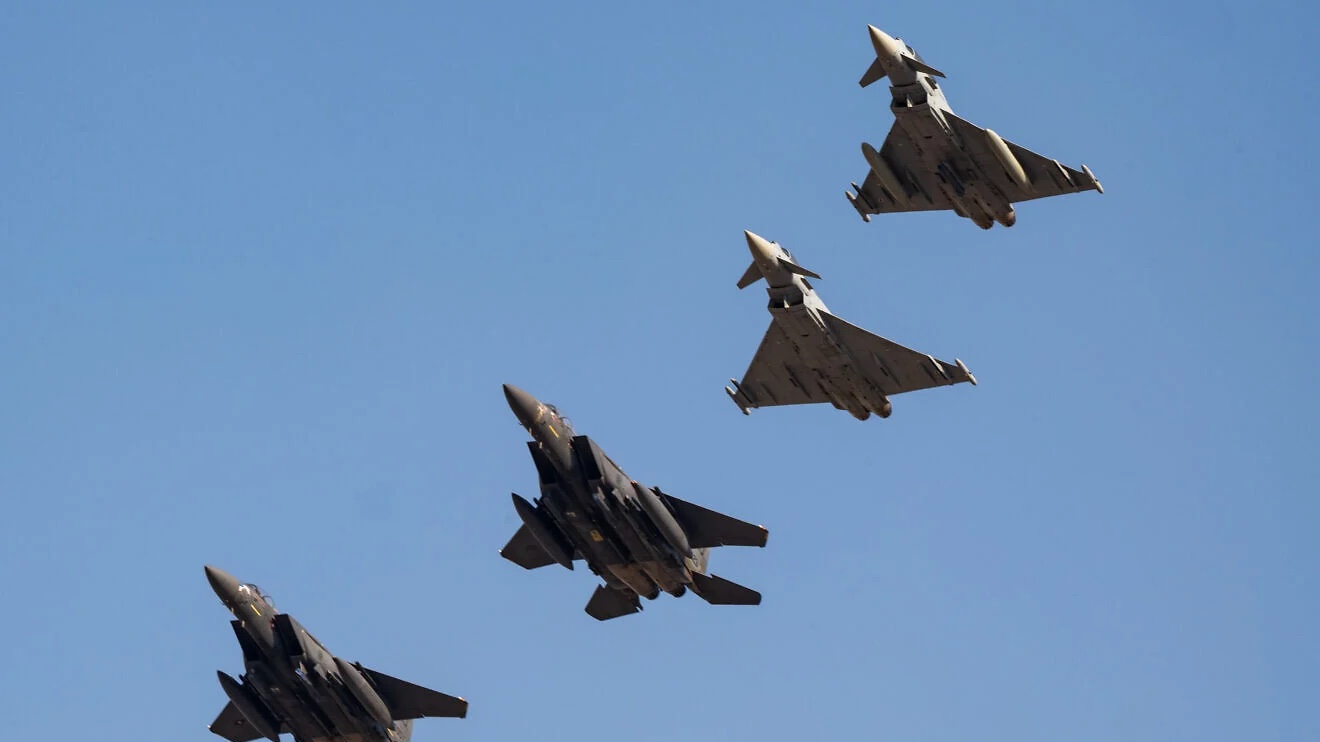
Critics of the Venezuela operation are regurgitating platitudes about “escalation” and the fragility of international order.
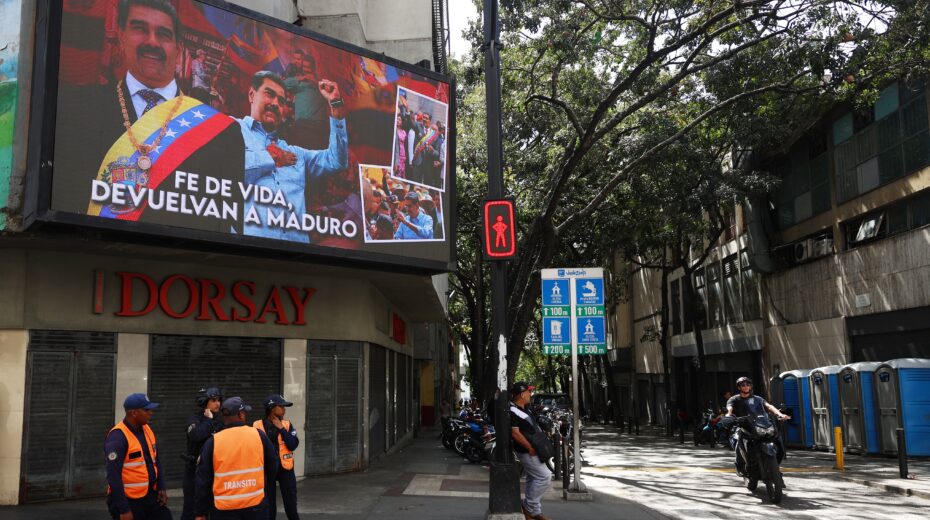
The tearing down of Maduro posters in the streets of Caracas is far more than a local symbol of change; it is the highly visible sign of the end of an era.
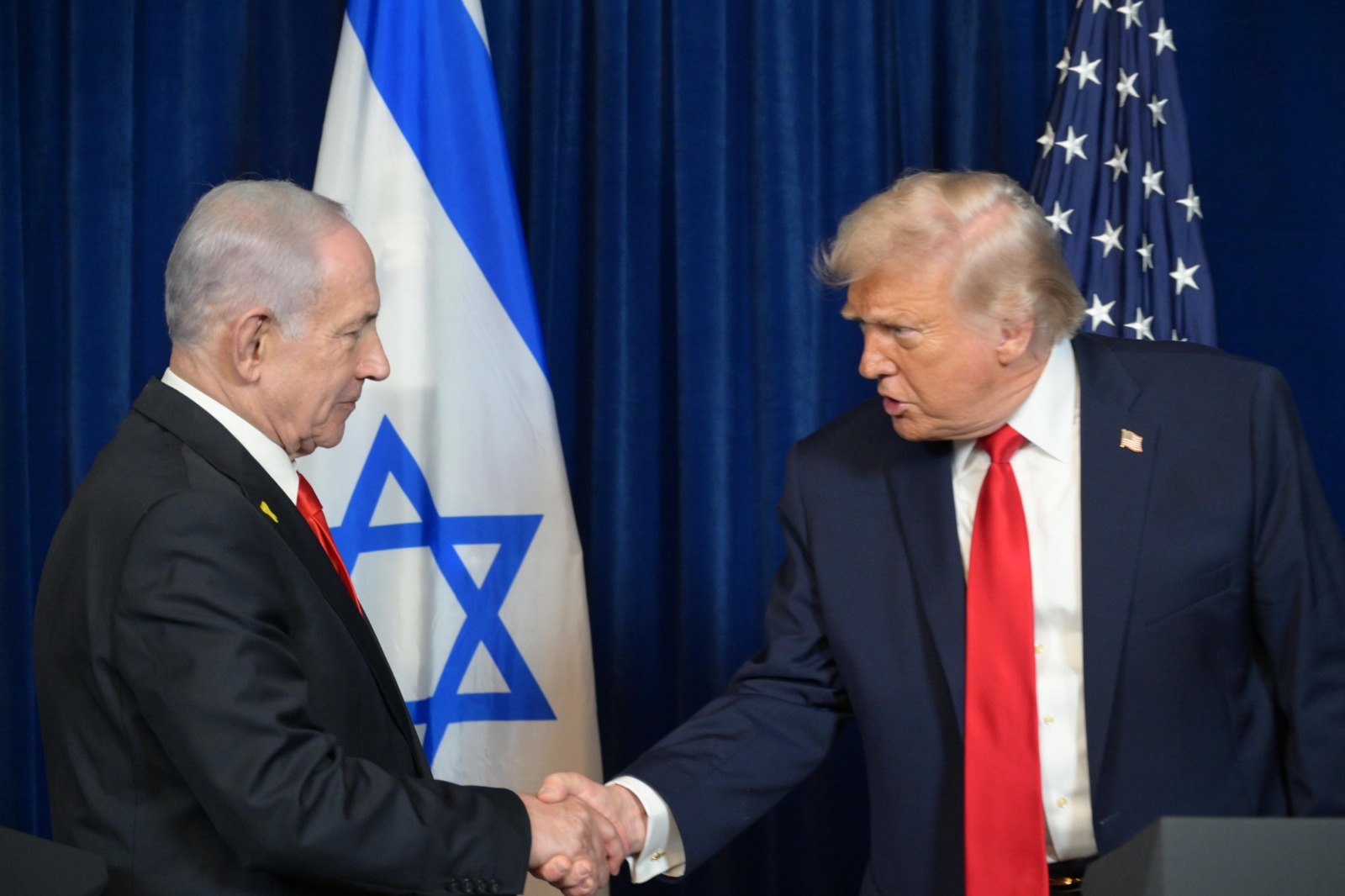
An analysis of the meeting between U.S. President Donald Trump and Israeli Prime Minister Benjamin Netanyahu — heavy on symbolism, light on decisions, with unresolved bills still to come.
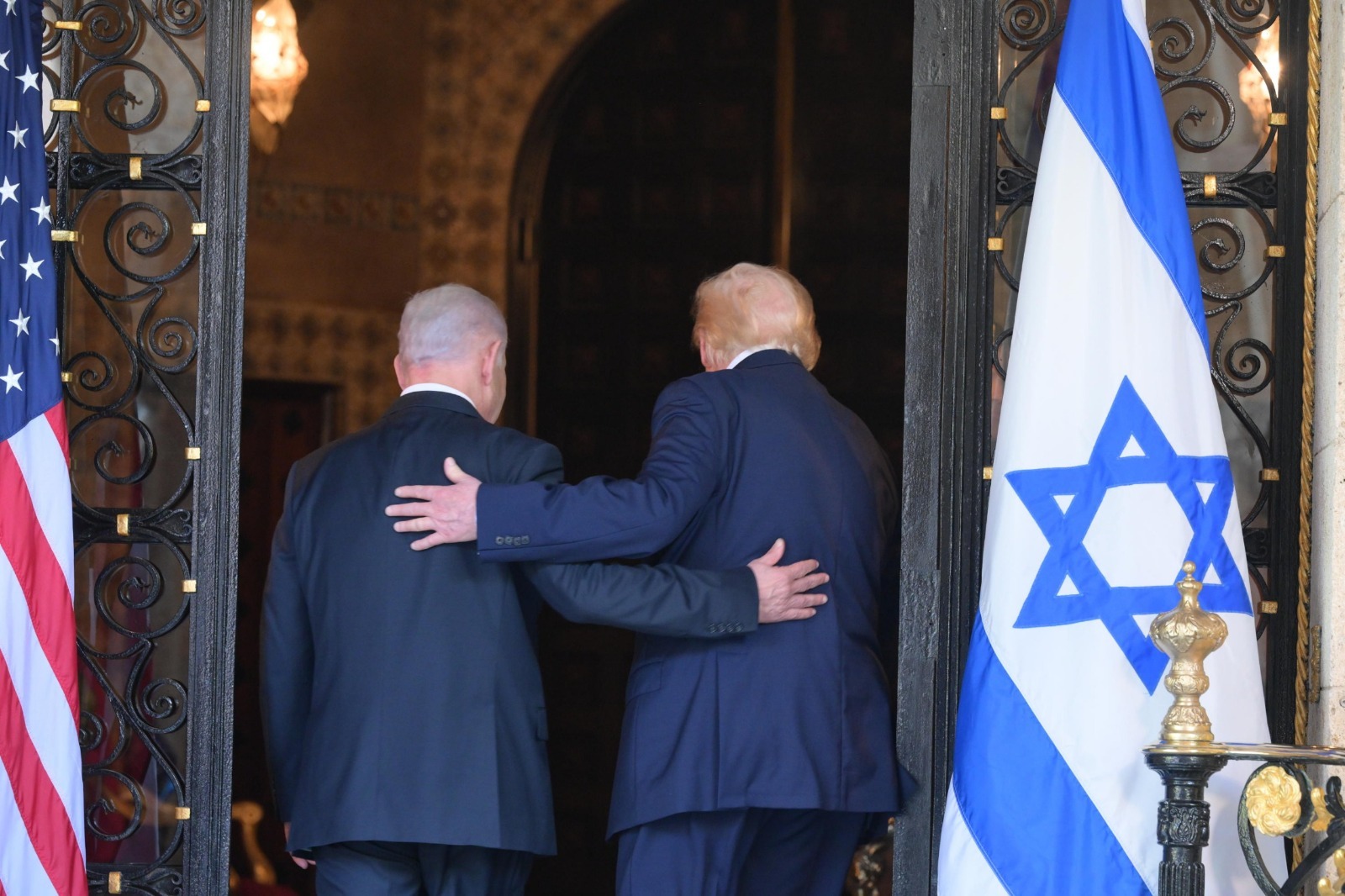
With antisemitism surging on both the left and the right, the future remains uncertain. But the Trump-Netanyahu meeting is a reminder that the Jewish state is winning—and not alone.