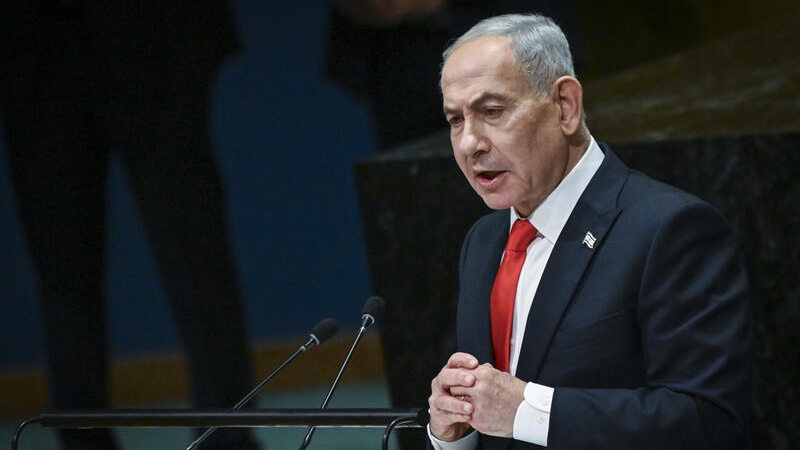
The arrest of Muein al-Arabid in the heart of Gaza City is a strategic message underscoring that Israel is not returning to full-scale war, but is also not allowing Hamas to exploit the ceasefire to rebuild its military capabilities.
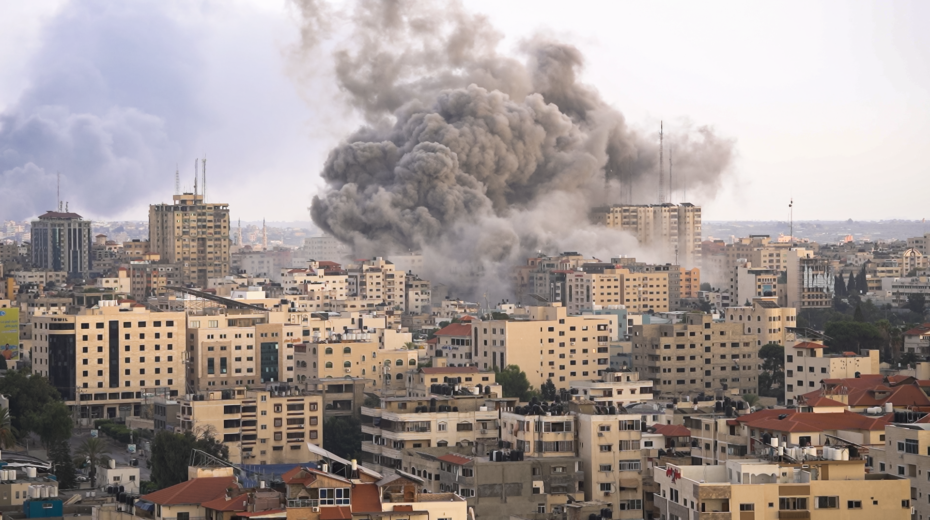

The arrest of Muein al-Arabid in the heart of Gaza City is a strategic message underscoring that Israel is not returning to full-scale war, but is also not allowing Hamas to exploit the ceasefire to rebuild its military capabilities.
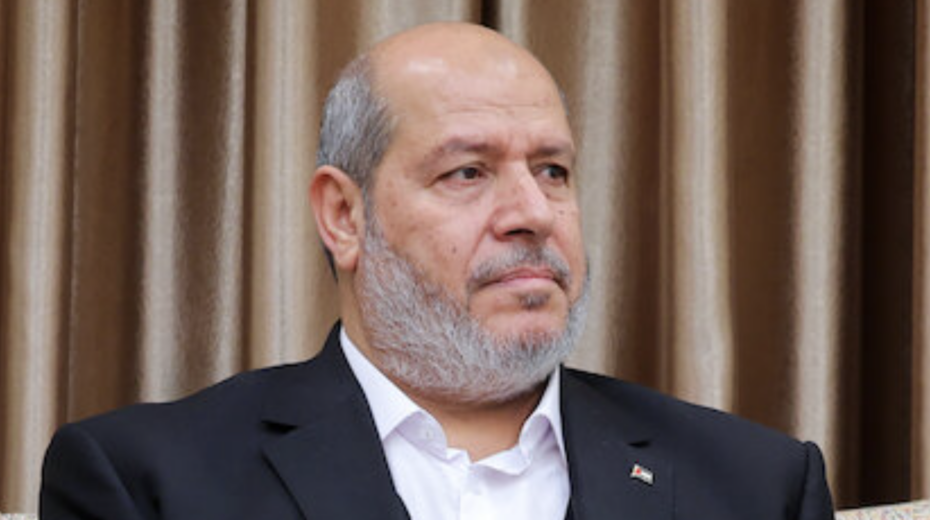
Following the degradation of the group’s military infrastructure in Gaza, its external leadership has consolidated in Istanbul, raising new questions about Turkey’s role and the West’s counter-terrorism strategy.
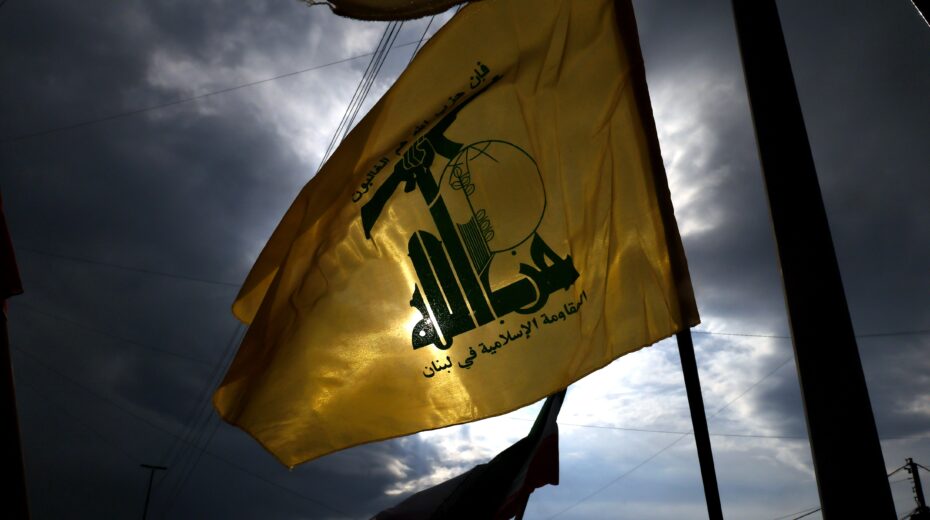
If the terrorist group’s tactics fail to force an Israeli withdrawal from the buffer zone, it may resort to suicide attacks.
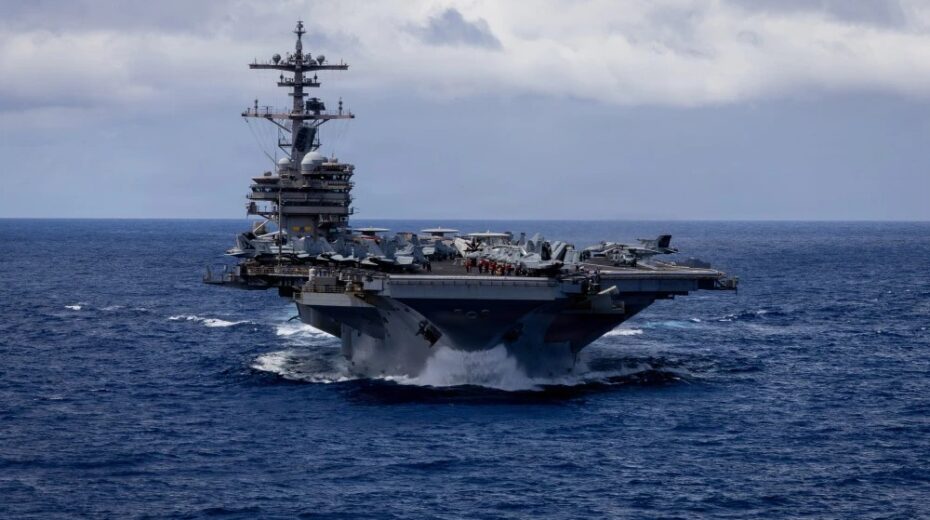
Despite the superiority of American arms, a combination of asymmetric strategy, internal cohesion and control over the Strait of Hormuz has prevented a swift defeat of the Islamic Republic.
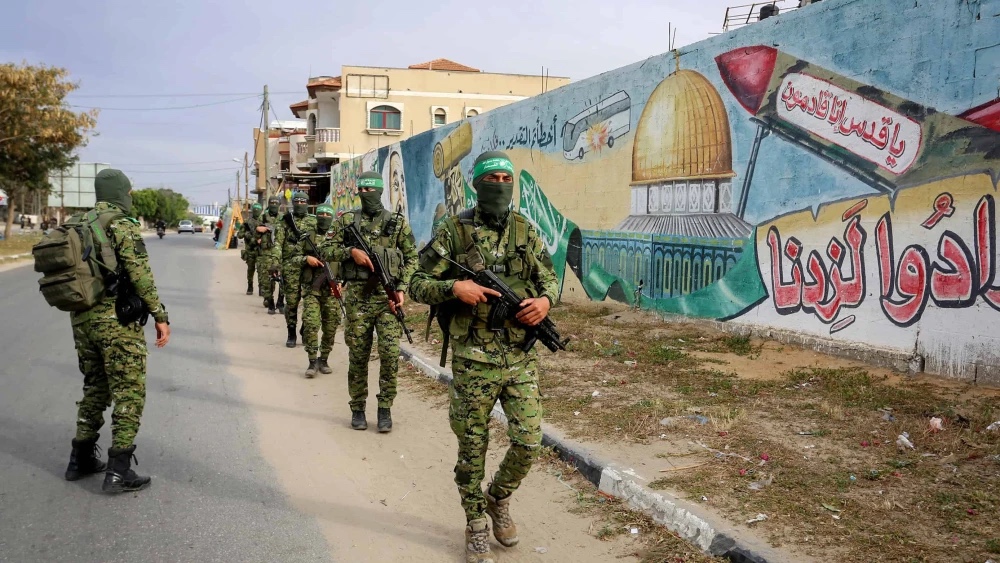
Hamas is exploiting the diplomatic stalemate to delay demands for its disarmament, while working to consolidate its governance in the Gaza Strip, rebuild its military capabilities and continue terrorist activity against IDF forces.
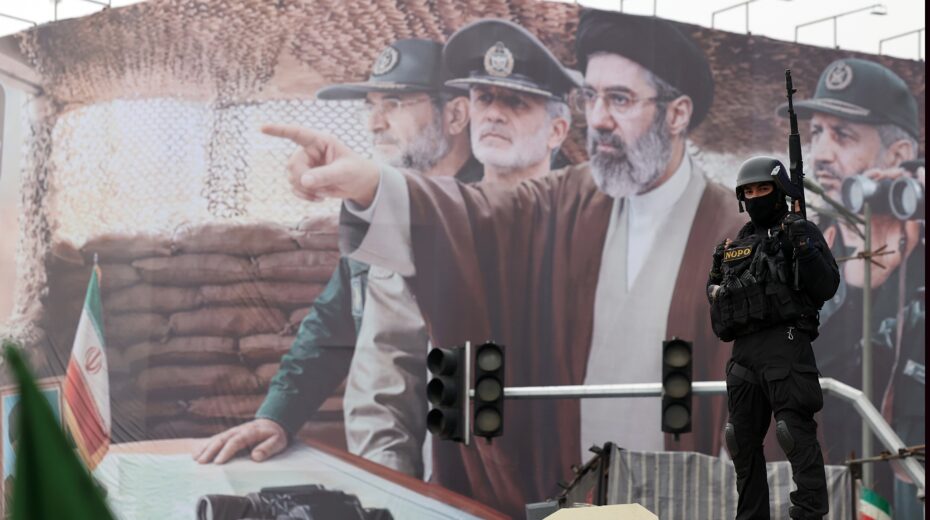
The assassination of Ali Larijani has shaken the regime’s centers of power and faced Mojtaba Khamenei with a critical test.
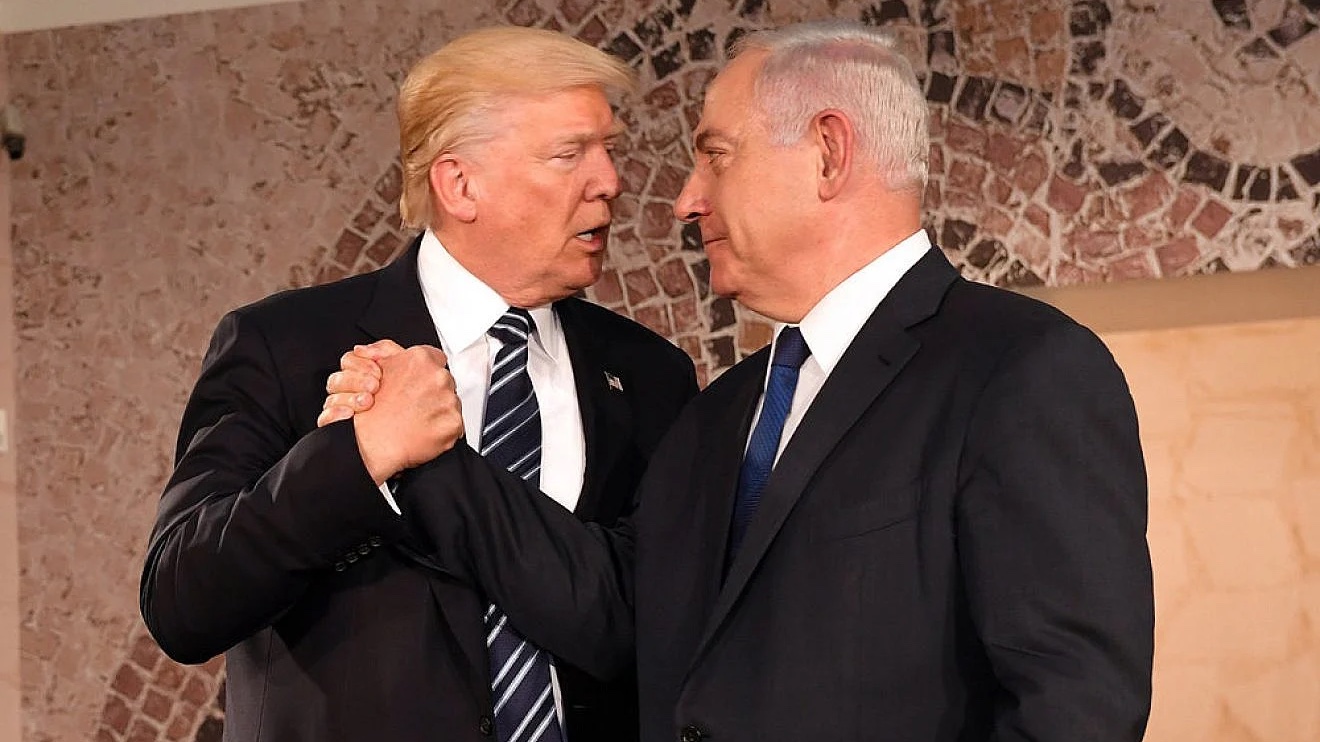
As the US weighs Reza Pahlavi as a figure for transition, Israeli officials warn missing the chance to topple the ayatollahs could force repeated conflict.
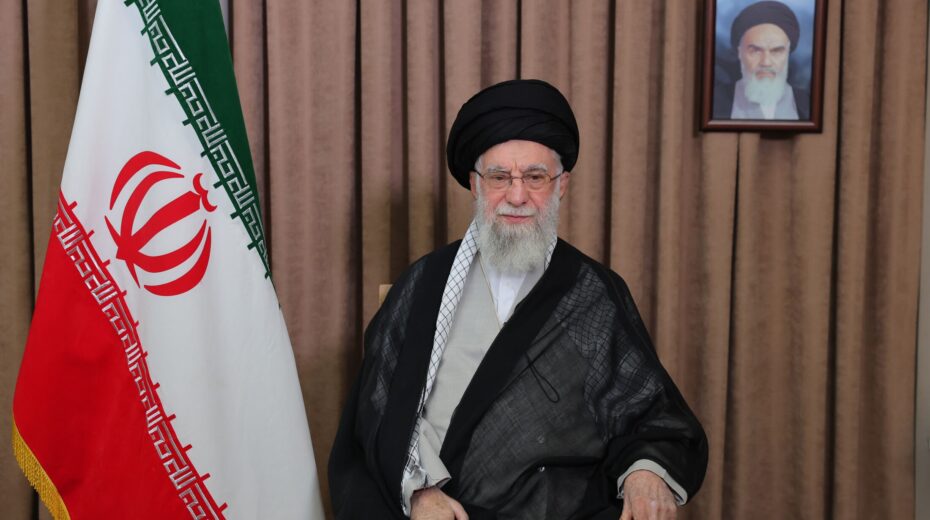
The Islamic regime is facing growing pressures that threaten its stability and raise doubts about its ability to survive the current crisis.
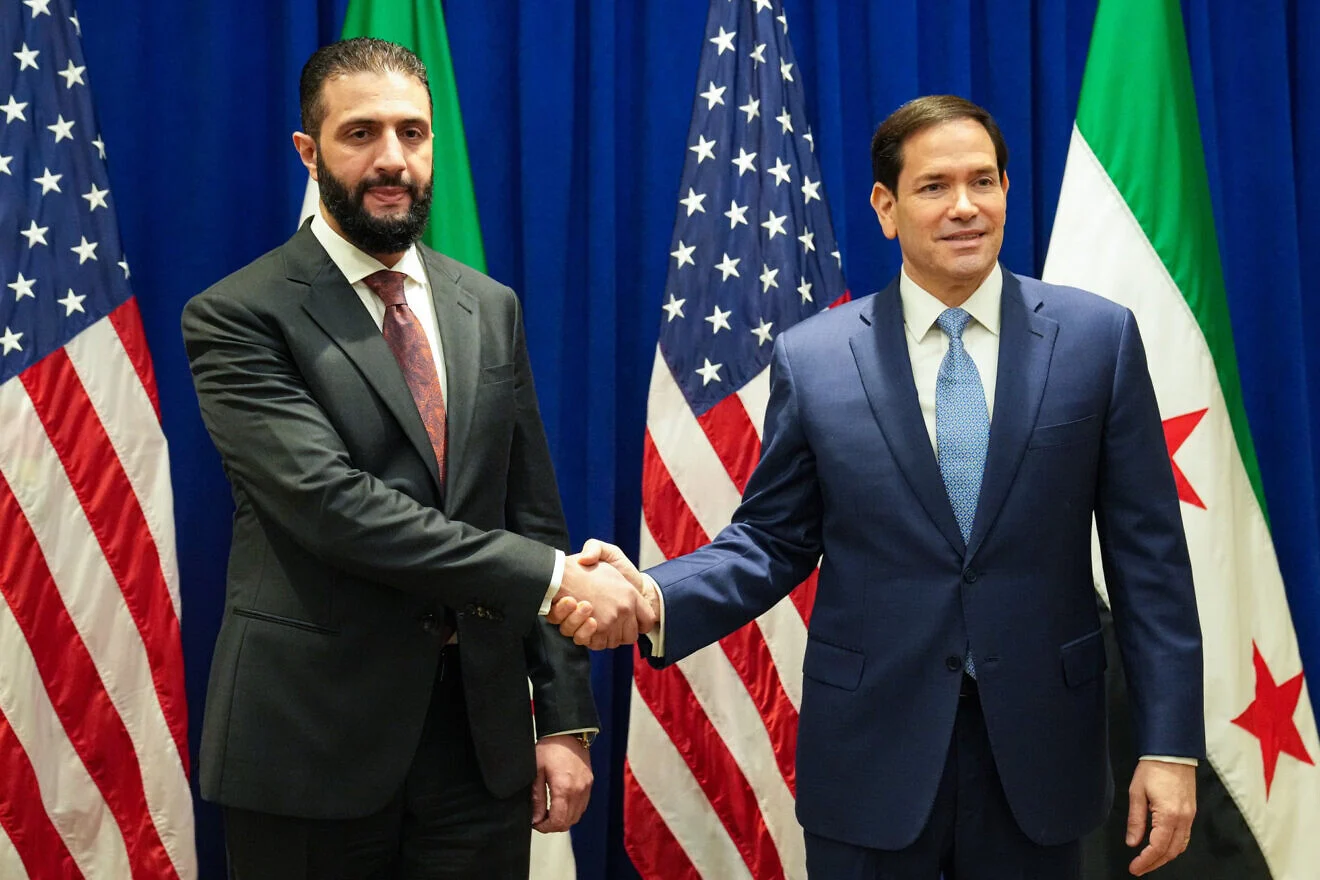
In Israel, it is believed that as long as the Syrian leader attempts to wage a dual struggle against both ISIS and external actors such as Iran, his ability to achieve a decisive victory will remain limited.
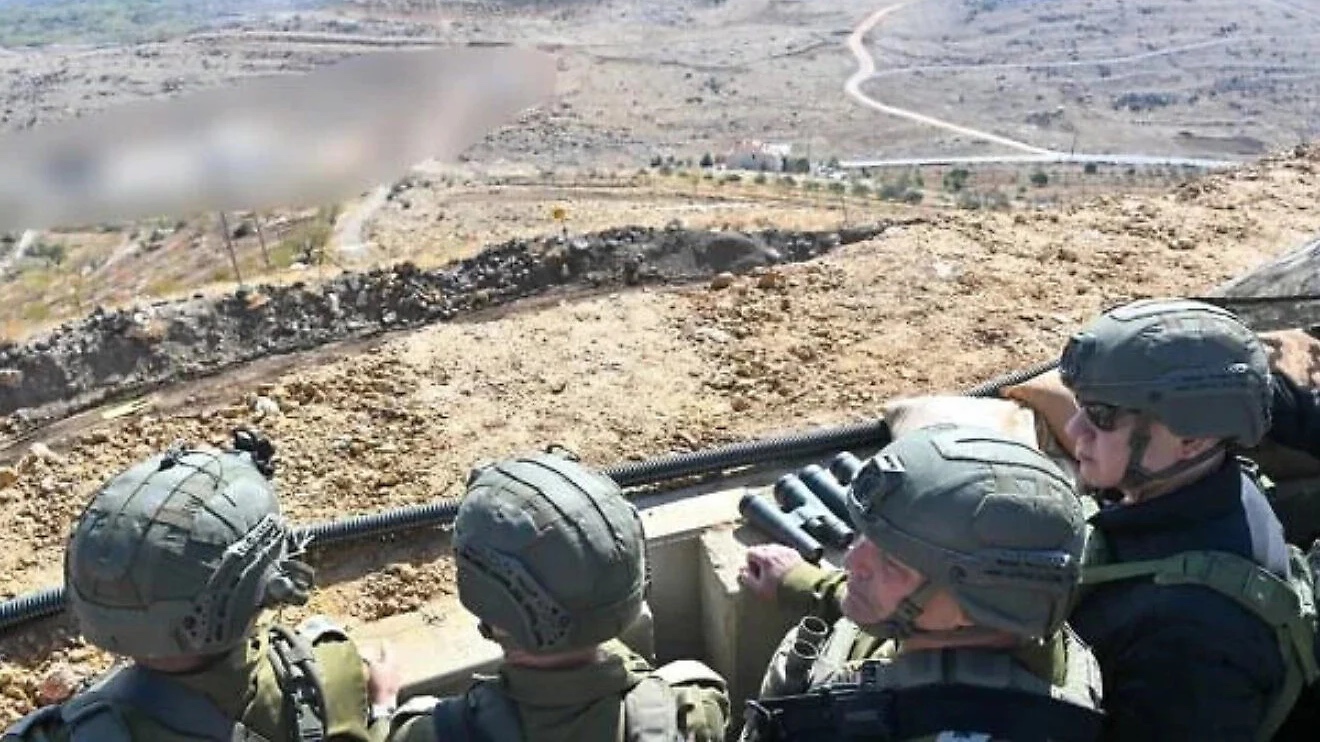
Terrorist groups are establishing themselves in the area, including Palestinian Islamic Jihad, Houthi-affiliated elements, ISIS and Al-Jamaa al-Islamiya.