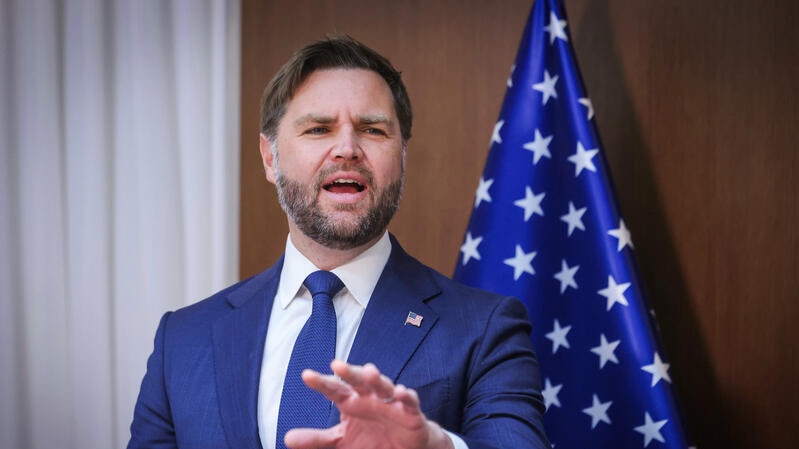
Benjamin Netanyahu, security and the battle for the nation’s right.

Benjamin Netanyahu, security and the battle for the nation’s right.
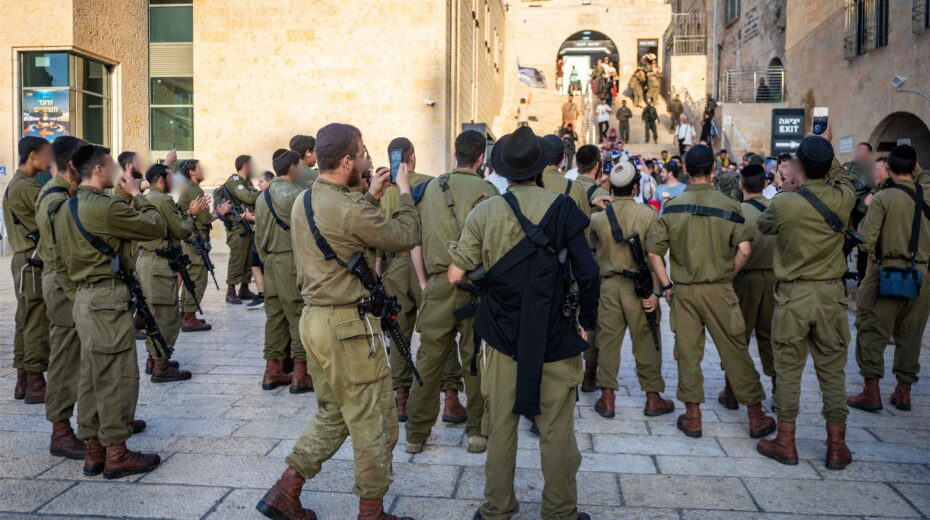
The war transformed a decades-old legal and political dispute into an urgent fight over military manpower, equality of service and the future of Haredi society.

Originally intended to accommodate a few hundred Torah scholars, the exemption of ultra-Orthodox yeshivah students from IDF service evolved into one of Israel’s most contentious public policy issues.
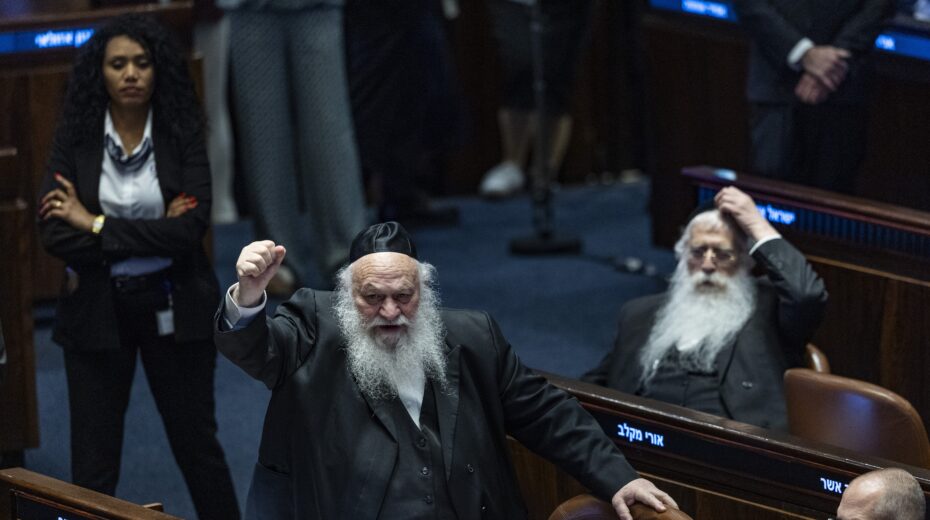
Despite holding a fraction of Knesset seats, Shas and United Torah Judaism have become indispensable coalition partners, reshaping Israeli politics.
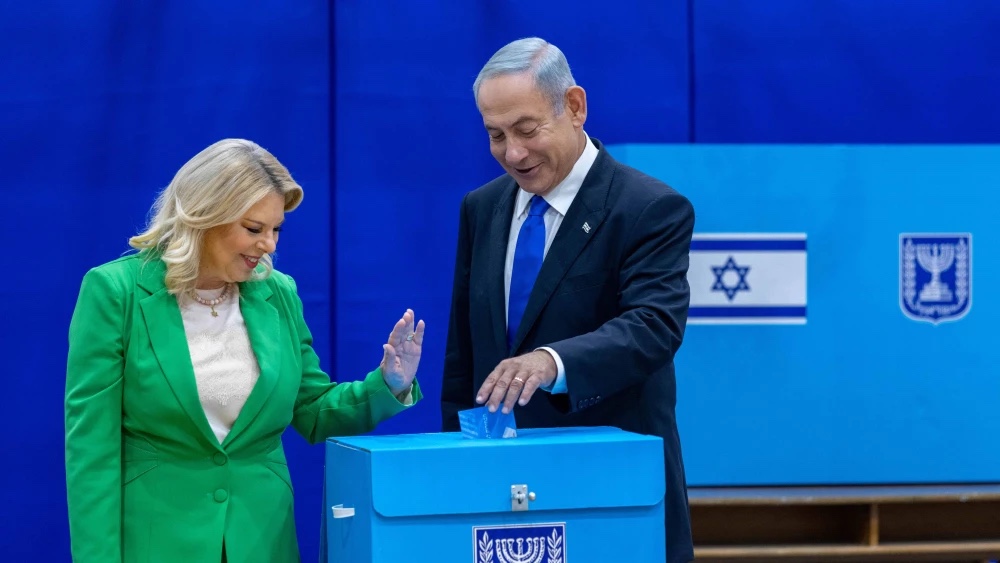
With the principal blocs separated by a handful of seats in most polls, the campaign could be decided less by movement between Netanyahu’s Likud and Eisenkot’s Yashar than by which smaller parties survive the 3.25% electoral threshold.
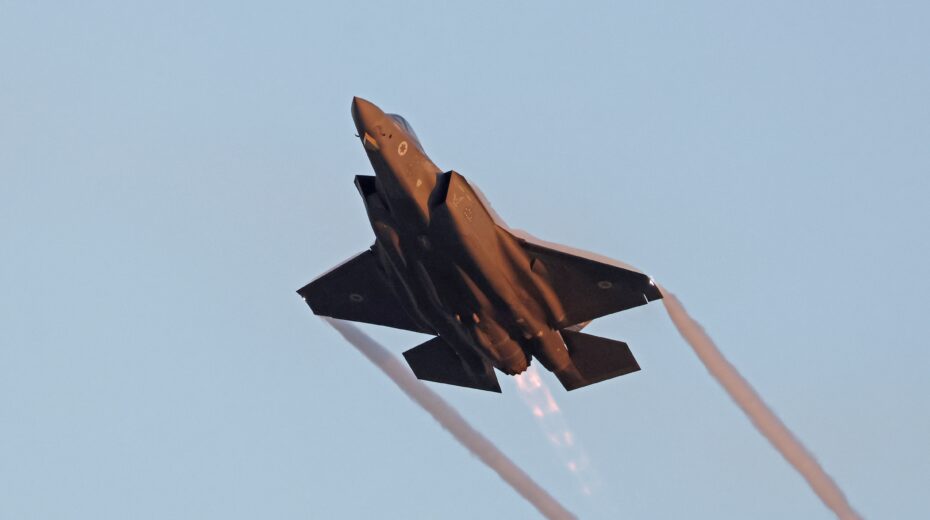
The debate concerns the possible strengthening of a major regional military whose government supports Hamas, competes with Jerusalem in Syria, and has repeatedly portrayed Israel as a direct threat to Turkey.

“Project Spire” aims to create a highly secure campus in southern Israel, according to a Hudson Institute report.
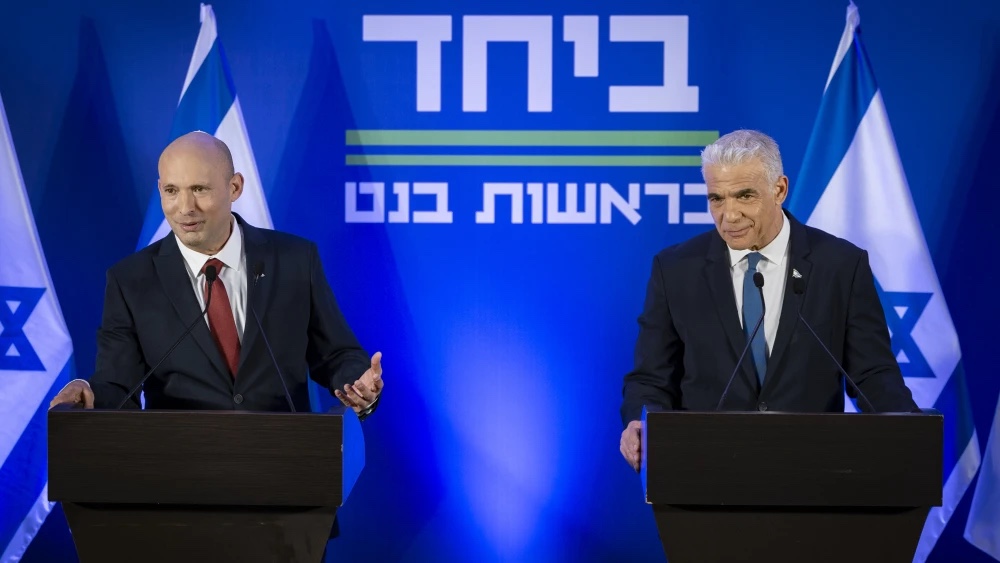
The Bennett-Lapid alliance is likely merely the first in a long series of political shifts and realignments that will become increasingly common as the elections approach.

The economics of the 2026 Strait of Hormuz crisis explained.
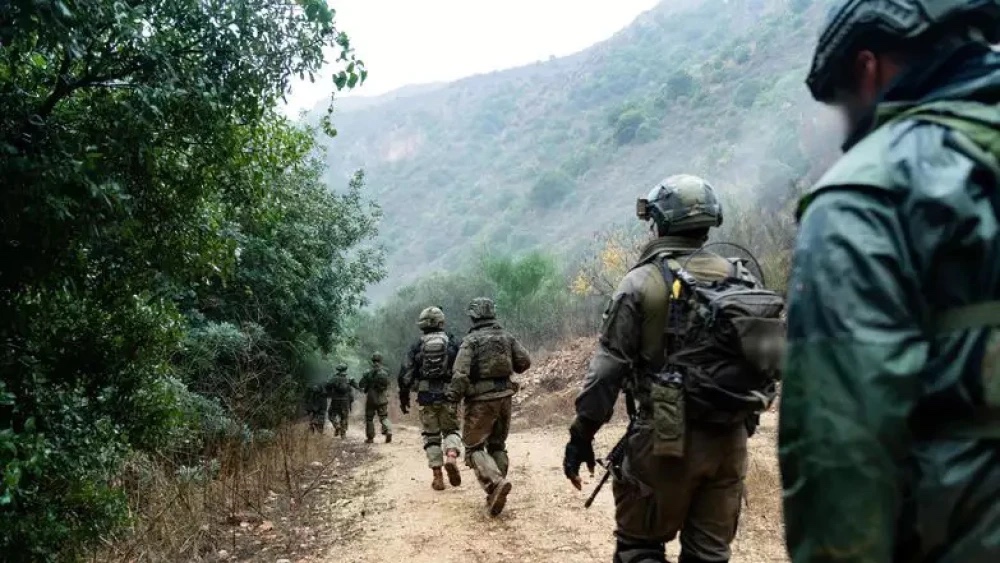
The 10-day diplomatic pause squanders the operational momentum achieved over 46 days of intense combat.