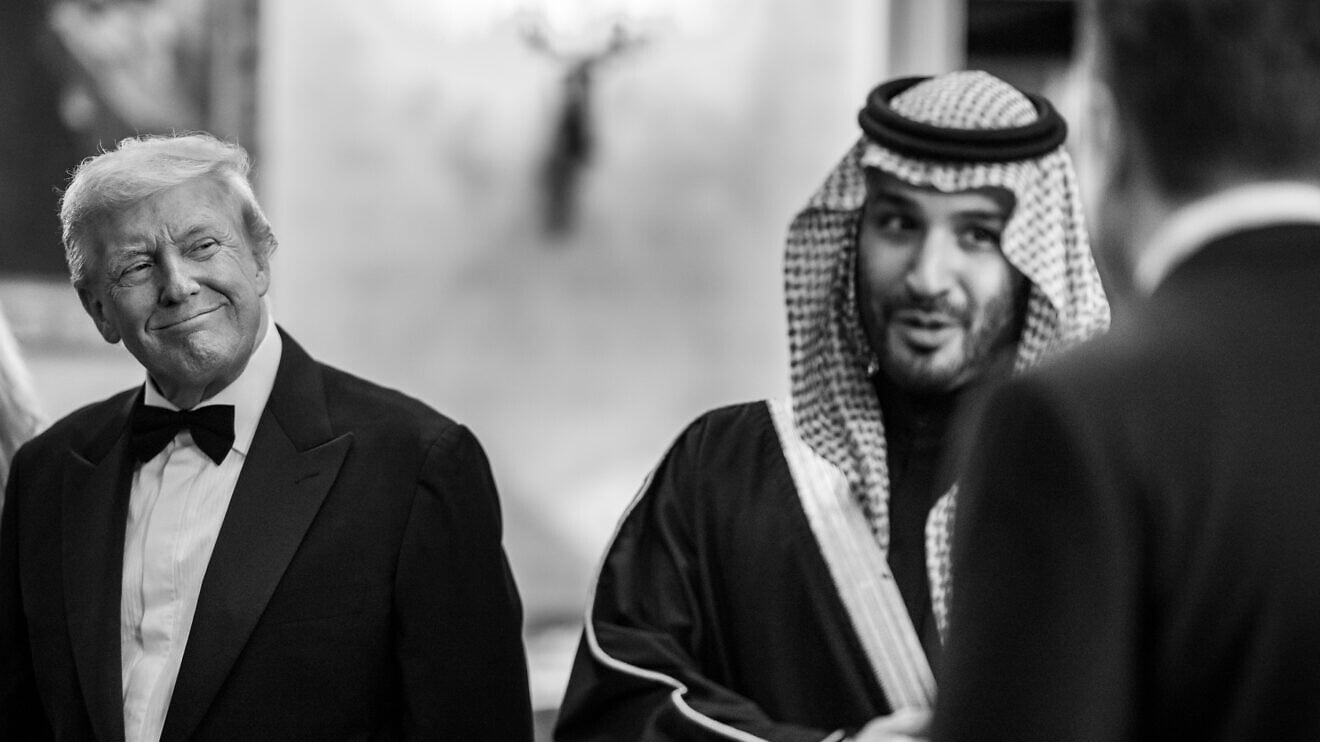

(JNS) The most important thing to know about Saudi Arabia is that its leaders’ principal motivation is self-preservation—to ensure their royal heads stay connected to their royal shoulders. This context is essential for understanding the discussion of normalization with Israel. While Riyadh could profit from ties with Israel—as Bahrain and the United Arab Emirates have—the Saudi flirtation with normalization was driven not by a desire for peace, but by the imperative of regime survival.
The Saudis have long feared Iran, which has shown it can threaten Saudi oil. In 2019, the Iranian-backed Houthis fired drones that struck oil facilities in eastern Saudi Arabia, causing significant damage and disrupting exports. A direct Iranian attack could be worse.
This covert relationship with Israel is transactional: The Saudis sought Israeli intelligence to counter Iran. To keep it one-sided, Riyadh only allowed overflight rights and demanded progress toward a Palestinian state, knowing Israel wouldn’t agree.
What the media rarely confronts is Saudi Arabia’s deep, persistent antisemitism, which dates back to the kingdom’s founder, Ibn Saud.
In 1937,...
Become a Member
-
Read all member content
Get exclusive in-depth reports from Israel.
-
Get exclusive in-depth reports from Israel
Connect with Israel, right from your home.
-
Lift up the voice of truth and hope
Support Jerusalem-based Zionist journalism.

Already a member? Login here.