(JNS) Southern Azerbaijan (the northwestern provinces of Iran, primarily inhabited by Azerbaijani Turks) is characterized by systemic ethnic and cultural discrimination, securitization of identity and an intensified crackdown on civil-society activists.
International monitors report that Azerbaijani Turks have continued to face disproportionate levels of arbitrary detention and severe prison sentencing, as well as the suppression of their cultural and linguistic rights.
A list of systemic discrimination and cultural rights includes:
• Linguistic Repression: While Article 15 of the Iranian constitution allows for the use of regional languages, the state continues to effectively ban or severely restrict the teaching of the Azerbaijani Turkish language in schools. Activists advocating for linguistic rights are often labeled as “separatists” or “pan-Turkists” and face national security charges.
• Socio-Economic Marginalization: Regions such as Ardabil and West Azerbaijan suffer from high poverty and unemployment rates compared to central provinces. In 2025, reports highlighted that more than 30% of the Azerbaijani population in Iran lives in poverty, contributing to sustained social exclusion.
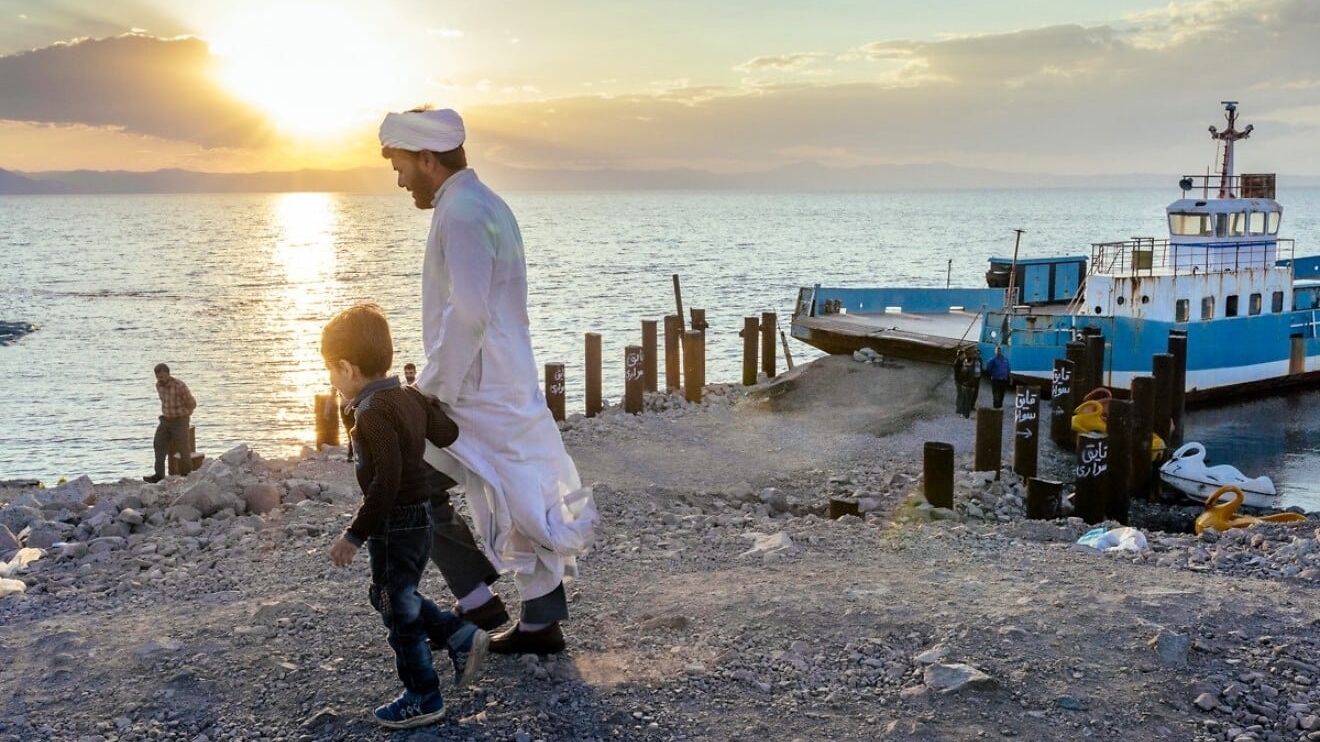
• Environmental Degradation:The drying of Lake Urmia has become a central human-rights and environmental issue. Activists argue that government mismanagement of the lake’s water resources constitutes a violation of the right to a healthy environment and has displaced thousands of local residents.
• Surge in Arrests: Following the “Woman, Life, Freedom” protests and more recent regional tensions, there has been a documented surge in mass arrests targeting Azerbaijani activists. Human-rights organizations like HRW state that many are held without warrants and in undisclosed locations.
• Targeting of Human-Rights Defenders: Prominent figures, including human-rights lawyers like Seyed Mohammadreza Faqihi and Taher Naghavi, have been sentenced to long prison terms on vague charges such as “propaganda against the regime” or “conspiracy against national security” for representing protesters or advocating for ethnic rights.
• Torture and Ill Treatment: Detainees from the Azerbaijani minority regions frequently report being subjected to physical and psychological torture during interrogations to extract forced confessions. Cases of sexual violence and denial of medical care in prisons (e.g., Tabriz and Urmia Central Prisons) remain widespread.
And recent trends (2024-26) include:
• Death Penalty: 2025 saw a dramatic acceleration in executions across Iran, with at least 2,167 people executed. Ethnic minorities, including Azerbaijanis, are disproportionately affected by these sentences, which are often used as tools of state terror to quash dissent.
• Securitization of the Region: Following conflicts in the Caucasus, the Iranian regime has increased its security presence in Southern Azerbaijan, often using the pretext of “national security threats” to justify the expedited trial and execution of individuals accused of collaborating with foreign entities.
• Crackdown on Protests: During the January 2026 riots in Southern Azerbaijan, human-rights organizations documented a severe and systematic crackdown by Iranian security forces. Triggered by a record depreciation of the rial and mounting national grievances, the protests were met with unprecedented lethal force.
• Mass Unlawful Killings: Security forces, including Iran’s Islamic Revolutionary Guard Corps and the Basij, used live ammunition and metal pellets against demonstrators. In cities like Tabriz, Sahand and Mianeh, hundreds were reported killed during the peak of the violence on Jan. 8-9.
• Arbitrary Arrests and Disappearances: Nearly 50,000 people were estimated to be arrested nationwide, with significant numbers in East Azerbaijan Province. Many detainees were held in undisclosed, non-official locations, constituting enforced disappearances.
• Torture and Coerced Confessions: Detainees, including minors, were subjected to severe physical and psychological torture to extract forced confessions, which were subsequently broadcast on state media.
• Medical Repression: Security forces reportedly raided hospitals to arrest injured protesters directly from medical wards, violating the right to health.
• Information Blackouts: A nationwide internet shutdown was implemented to hide the scale of the atrocities and prevent communication with the outside world.
In summary, the human-rights landscape for the Azerbaijani Turkic minority in Iran remains dire, with a persistent pattern of state-sponsored repression aimed at neutralizing demands for ethnic equality and civil liberties.
Unfortunately, negotiations between the United States and Iran are centered on the Iranian military nuclear program, while human-rights violations are ignored. US President Donald Trump wrote to the Iranian people: “Help is on its way.”
They are still waiting, knowing that toppling the mullah regime is the only solution to all the problems caused by this corrupt and illegitimate regime. Will Trump keep his word and bring about the collapse of the regime in Tehran?
Want more news from Israel?
Click Here to sign up for our FREE daily email updates