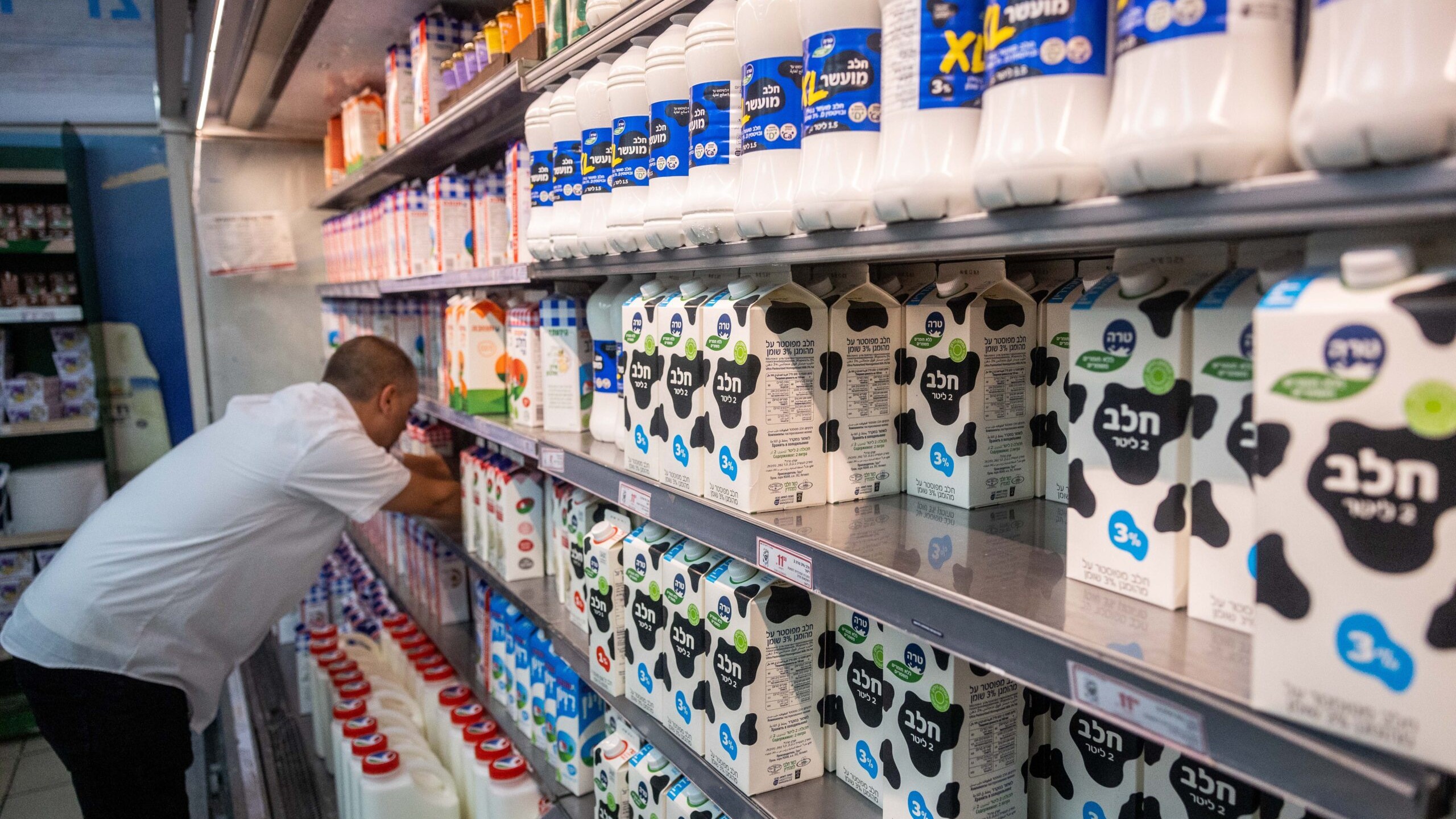

Israeli supermarket chain Victory has provided a rare glimpse into the business activity surrounding Gaza. Following a request from the Israel Securities Authority, the company disclosed that it generated NIS 99 million in sales to Gaza during the first quarter of the year. Those sales accounted for a significant portion of the company’s revenue growth.
The disclosure sheds light on a sector that largely operates behind the scenes. Neither the Israel Tax Authority nor the Customs Directorate publishes the names of participating companies, citing confidentiality obligations. Most companies involved also avoid publicly discussing their Gaza-related business activities.
One exception is agricultural exporter Mehadrin, which reported NIS 60 million in revenue from sales to Gaza in its latest financial statements. Other major retailers have reportedly obtained the necessary permits, although some deny actively selling goods into Gaza during the current conflict.
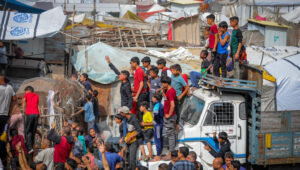
According to COGAT, between 600 and 800 trucks entered Gaza every day at the beginning of 2026, with approximately 70% carrying food supplies. Based on UN figures and market estimates, the annual value of food shipments alone is estimated at around NIS 5 billion.
In September 2025, Israel’s Customs Directorate introduced a special framework designed to involve major Israeli suppliers and retailers in the transfer of humanitarian goods while strengthening oversight. The stated goal was to prevent supplies from being diverted to terrorist organizations. Participation is limited to large companies meeting specific revenue thresholds.
Under the arrangement, approved Israeli companies sell goods directly to authorized Gaza-based traders. Sources familiar with the process say that 18 traders have been approved by both the Shin Bet and customs authorities. Much of the funding used to purchase the goods reportedly originates from humanitarian aid donations. A single truckload can be worth up to NIS 1 million.
After purchase, the goods are transported to designated border crossings, inspected by customs officials, and then distributed throughout Gaza.
Not all Israeli companies have chosen to participate. Retail chain Yochananof said it deliberately declined to apply for inclusion in the approved supplier framework because of the war and the events of October 7.