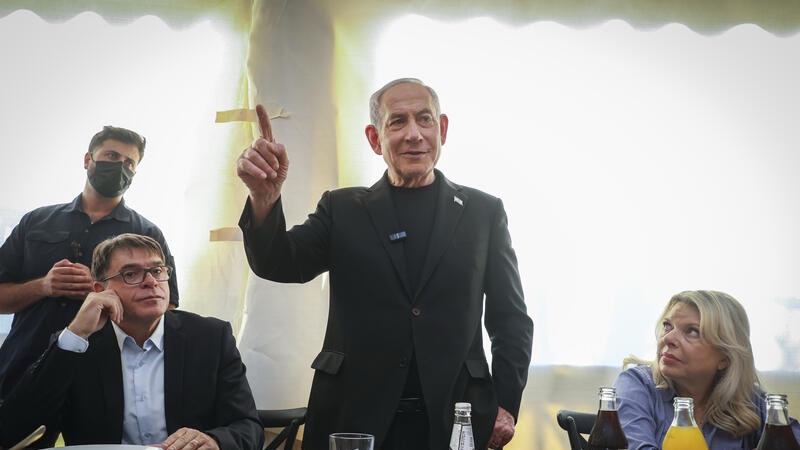

Prime Minister Benjamin Netanyahu used his Rosh Hashanah message to recall a year of national achievement, but the most important feature of his remarks was not the list itself. It was where he directed Israel’s gratitude.
Speaking ahead of the Jewish New Year, Netanyahu described the return of the hostages from Gaza, the recovery of the remains of Sgt. First Class Yehuda Yekutiel Katz more than four decades after he went missing in Lebanon, and Israel’s military successes against Iran and its terror allies.
“Dear people of Israel, it turns out that our blessings work,” he said, referring to the prayers recited at the Rosh Hashanah table and the biblical promises upon which they are based.
The words were not a claim that Israelis had been passive spectators in their own rescue. Netanyahu spoke, too, of the strength Israel displayed, its innovation and economy, and the actions taken against enemies who sought its destruction.
But he deliberately placed those accomplishments, too, within a biblical frame. The hostages’ return was linked to the prayers of the previous Rosh Hashanah. The weakening of Israel’s enemies echoed the traditional hope that those who hate the Jewish people will be uprooted.
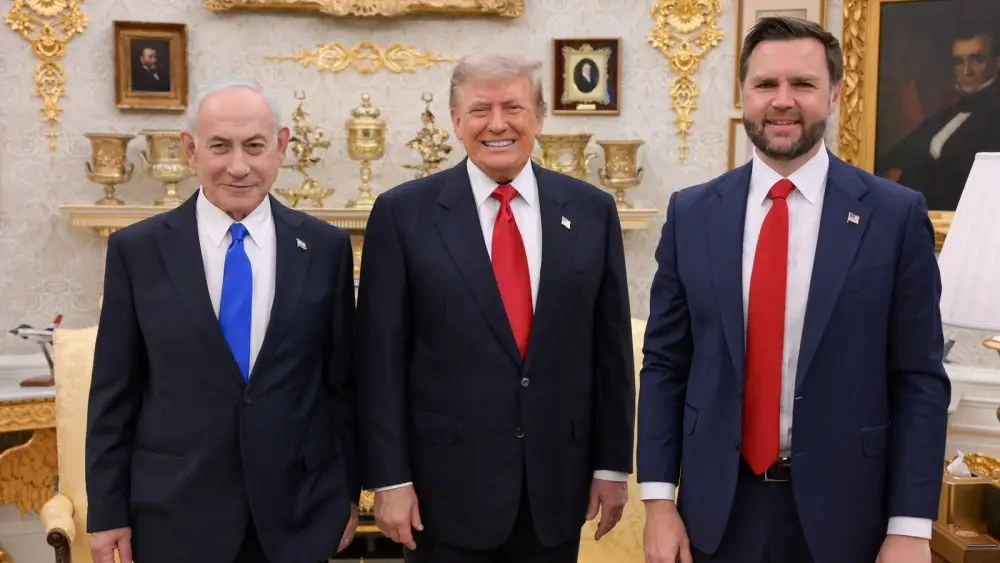
Israel has received vital support from allies, above all the United States. Yet recent comments by President Donald Trump and German Chancellor Friedrich Merz went further, suggesting Israel’s survival depended on their countries’ intervention. Netanyahu did not answer either leader. His message offered a quiet but unmistakable contrast.
The Jewish state can recognize the courage of its soldiers, the determination of its citizens and the help of friends without confusing any of them with the ultimate source of its preservation.
For a people entering the New Year after the trauma of Oct. 7 and a long war, Netanyahu’s message was clear: Israel may celebrate real achievements, but its thanksgiving belongs first to Heaven.
Want more news from Israel?
Click Here to sign up for our FREE daily email updates