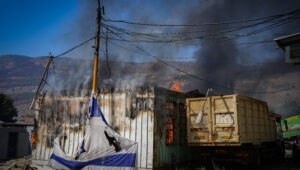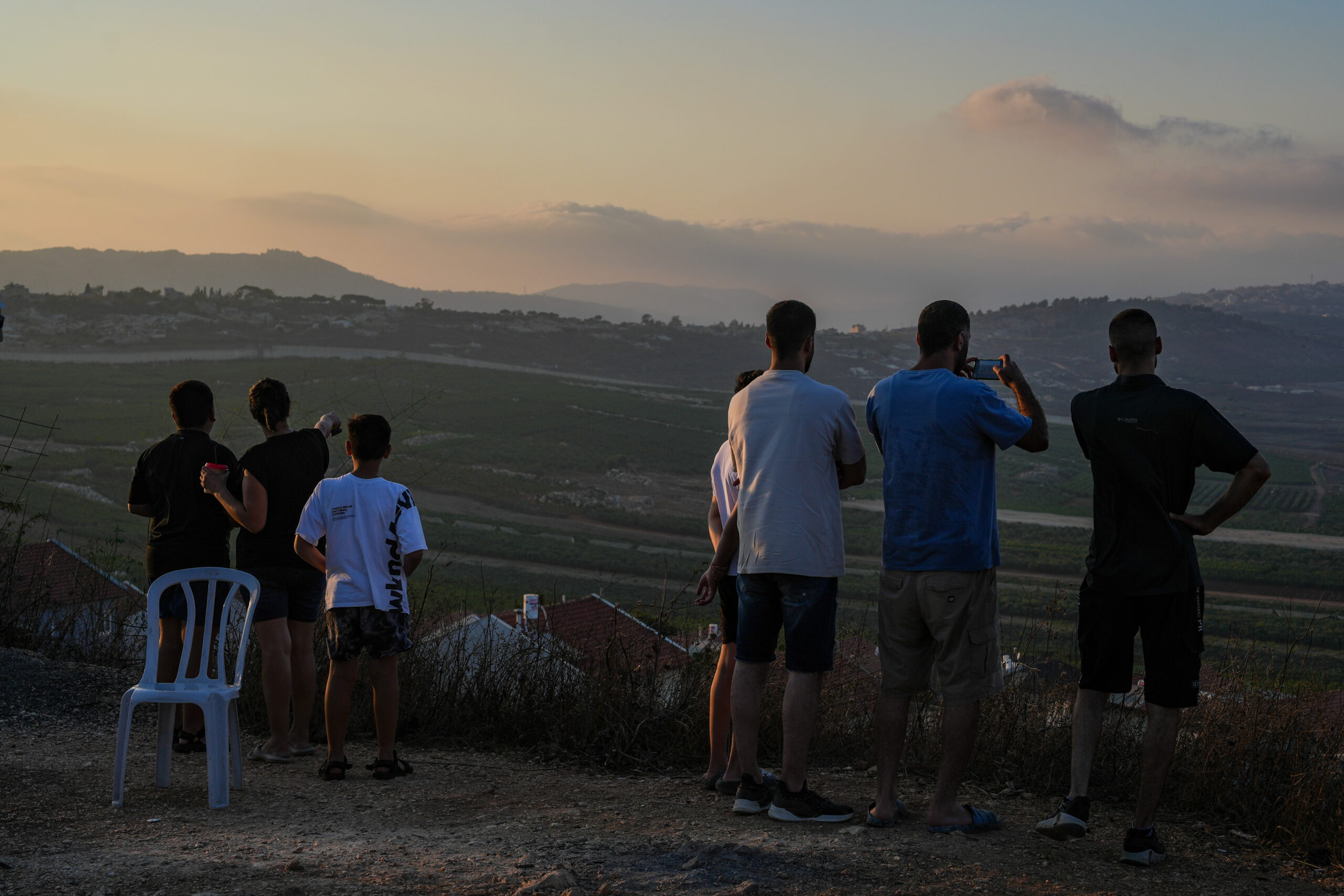

Twenty years of construction, Iranian money, underground command centers, generators, showers, and a kitchen – and on September 10, 2026, it all blew up. The capture and demolition of the Ali Taher ridge in southern Lebanon is one of Israel’s most significant military achievements in this war – and a severe blow to Iran’s “Axis of Resistance” project.
Twenty years to build – destroyed in weeks
The Ali Taher ridge is located approximately 16 kilometers north of the Israeli border in southern Lebanon and was considered the centerpiece of Hezbollah’s military infrastructure in the region. The Israeli research institute Alma described it as “an important power center that Hezbollah has been building for decades” – planned and financed by the Iranian Revolutionary Guard Corps (IRGC). Beneath the ridge extended a 5.4-kilometer underground tunnel network with command and weapons rooms, generators, living quarters, showers, and a kitchen.
Since June 2026, the IDF focused its operations on the Ali Taher ridge – after having previously captured Beaufort Castle. For weeks, the IDF’s 36th Division carried out air and artillery strikes to eliminate terrorists, maintain sieges, and cut off supplies to the fighters remaining inside the tunnel. Five Israeli soldiers were killed in combat and drone attacks, with 18 others wounded. According to an unverified report by the Israeli newspaper Maariv, 15 bodies were found inside the tunnels.
On September 3, the IDF announced that soldiers from the 36th Division had taken complete control of the ridge – both above and below ground. According to Israeli media reports, Iranian IRGC instructors who were operating alongside Hezbollah fighters inside the tunnels were also killed. Netanyahu stated on September 4: “The ridge no longer poses a threat to Israel.”
🚨 MASSIVE EXPLOSION IN SOUTHERN LEBANON: The IDF used over 1,100 tons of explosives to demolish a 5.4 km underground terror complex beneath the strategic Ali Taher ridge.
Built over two decades with Iranian funding, the network stored dozens of UAVs, rockets, anti-tank… pic.twitter.com/xhMdBlu9DA— Amit Segal (@AmitSegal) September 10, 2026
1,100 tons of explosives – and a message to Tehran
What followed was one of the most spectacular military demolition operations in the history of the Middle East: On September 10, the IDF detonated over 1,100 tons of explosives, causing the entire 5.4-kilometer tunnel system to collapse. Prime Minister Benjamin Netanyahu posted a video of the explosion on X with the words: “Tonight, we destroyed the largest Iranian outpost outside of Iran – the Ali Taher tunnels in Lebanon. Mission accomplished.”
The IDF declared the following day that what remained of the Ali Taher ridge was “nothing more than a sandbox.” Defense Minister Israel Katz emphasized that the capture of the Ali Taher ridge completed Israel’s control over its self-declared security zone in southern Lebanon. Israel would keep its troops there until Hezbollah was disarmed.
Particularly notable: Iran had explicitly warned that it would respond to the destruction of the complex with a “massive attack.” Israel was not deterred – and the demolition was simultaneously an unambiguous message to Tehran: two decades of investment in the “Axis of Resistance” can be undone in a single night.
Analysts view the destruction of the Ali Taher ridge as a strategic turning point: According to experts, the facility was one of the few remaining positions from which Hezbollah could have seriously prepared a ground invasion of Israel. Its loss weakens the organization not only militarily, but also gives Israel a “physical, not merely diplomatic” card in the ongoing negotiations with Lebanon – according to a former IDF officer speaking to JNS.