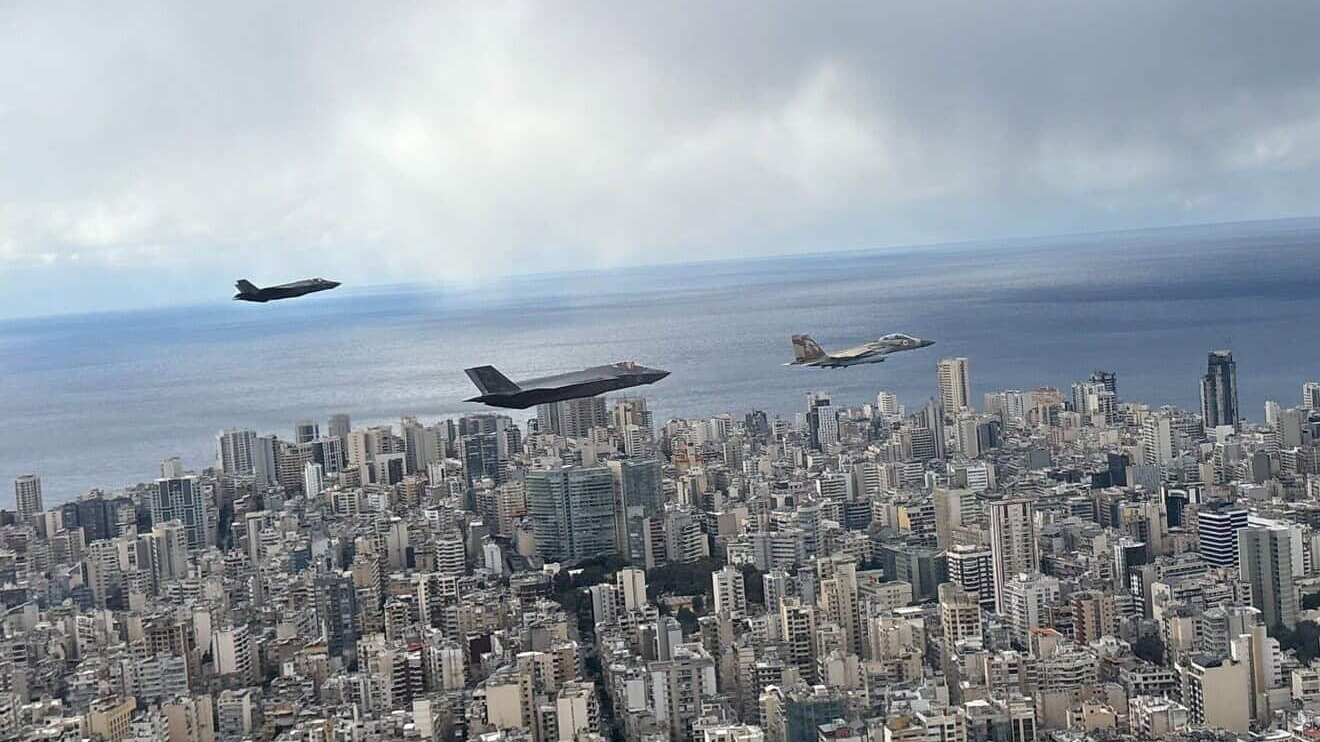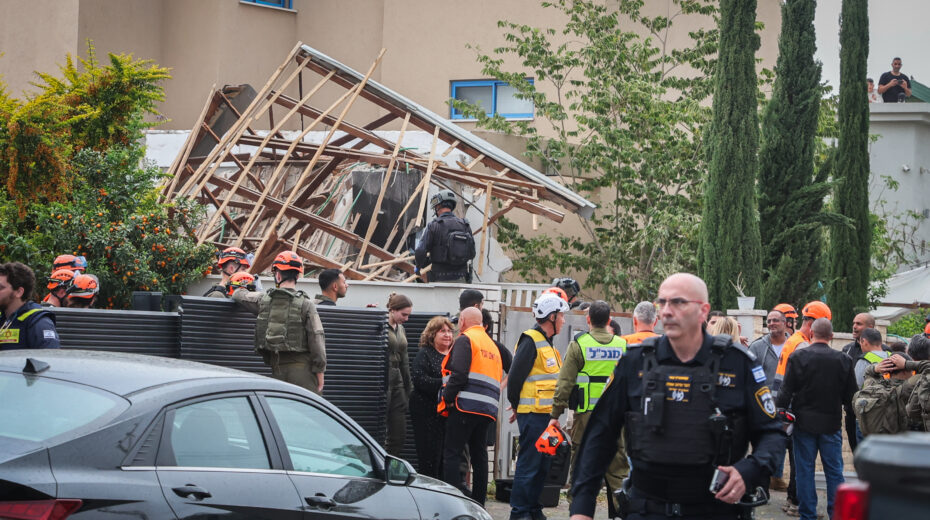

Israel experienced several missile attacks again over the weekend. Sirens wailed repeatedly in various parts of the country during the night after Iran fired multiple salvos of ballistic missiles at Israel. Israeli air defenses intercepted a large portion of the projectiles, yet debris and submunitions fell in several locations.
Damage also occurred in the center of the country. Rescue services reported multiple impact sites after fragments of intercepted rockets or submunitions fell on buildings and roads.
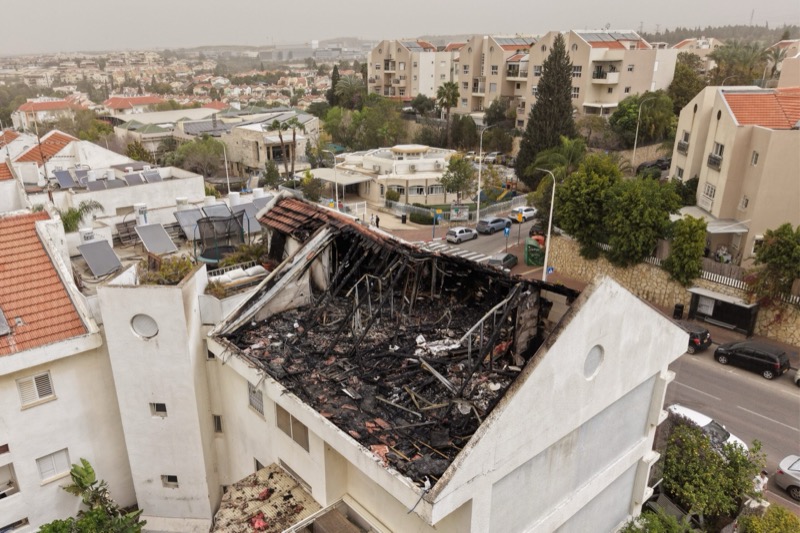
In Shoham, parts of such submunition caused a fire on the roof of a residential building. Around 30 residents had to temporarily leave their apartments. In Rishon LeZion, vehicles were damaged after fragments fell on a street and parked cars.
Already on Saturday, Iranian rocket attacks had caused damage in central Israel. In Nes Ziona, buildings were damaged after parts of an intercepted rocket came down in the city.
Also on Saturday, during an Iranian rocket attack on Israel’s southernmost city, Eilat, two people were injured. A 12-year-old boy and a 39-year-old man were injured by shrapnel after parts of an intercepted rocket fell in the city. Both were taken to Yoseftal Hospital for treatment.
The man reported that he had been out with his dogs during the rocket alarm and had not made it to a shelter in time. The explosion occurred nearby as fragments of the rocket came down in the city. Emergency services reported multiple impact sites and subsequently searched the area for further rocket parts as well as possible duds.
The rocket apparently carried a warhead with cluster or fragmentation munitions. Such warheads open during descent and scatter numerous smaller explosive devices over a larger area, which can result in multiple impact sites. According to estimates from Israeli security circles, around half of the rockets fired by Iran in this war have already been equipped with such warheads.
On Sunday morning, there was again rocket alarm in southern Israel. According to Israeli media reports, an Iranian attack targeted the Dimona region, where Israel’s nuclear research center is located. According to the military, the rockets were intercepted or struck uninhabited areas.
Missiles also from Lebanon
At the same time, rocket fire from Lebanon occurred in the morning. The Iran-backed terrorist organization Hezbollah fired rockets at Israeli territory, triggering alarms in several locations near the northern border.
Rockets from Lebanon pose a particular danger to the population. While ballistic missiles from Iran can be detected early due to the great distance and often allow several minutes of warning time, the much shorter-flying projectiles from Lebanon reach their target significantly faster. Depending on the distance, residents in the north often have only a few seconds, and in the center of the country usually around one minute, to reach shelters.
Want more news from Israel?
Click Here to sign up for our FREE daily email updates