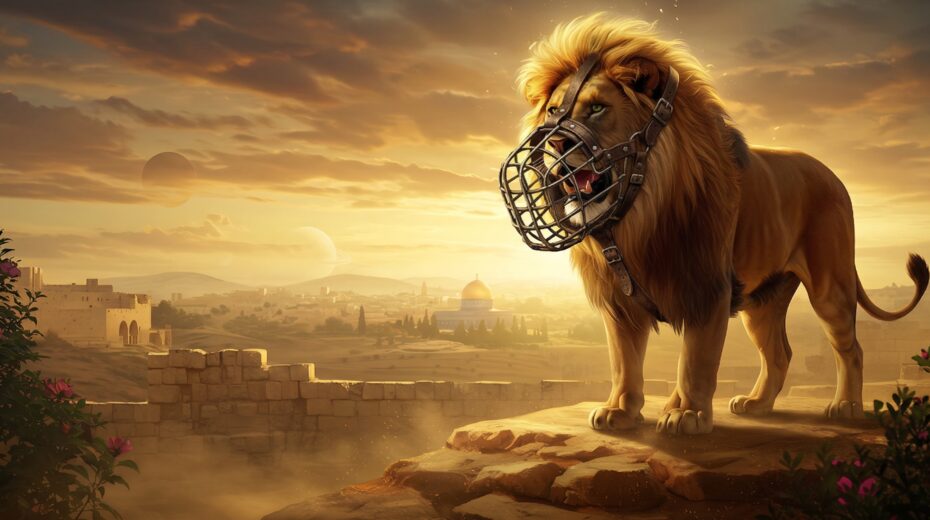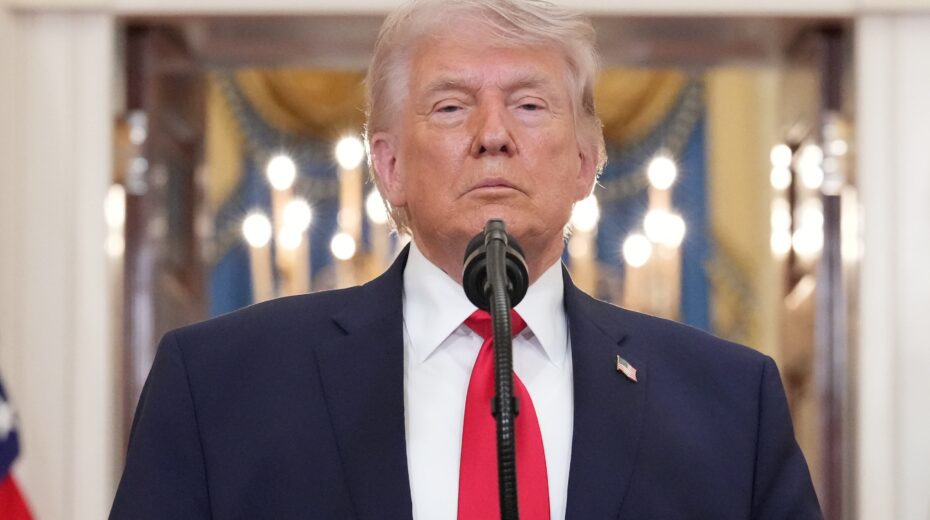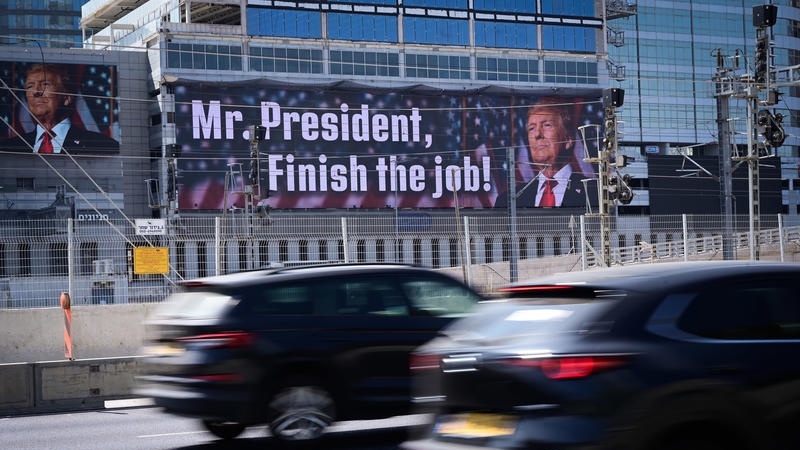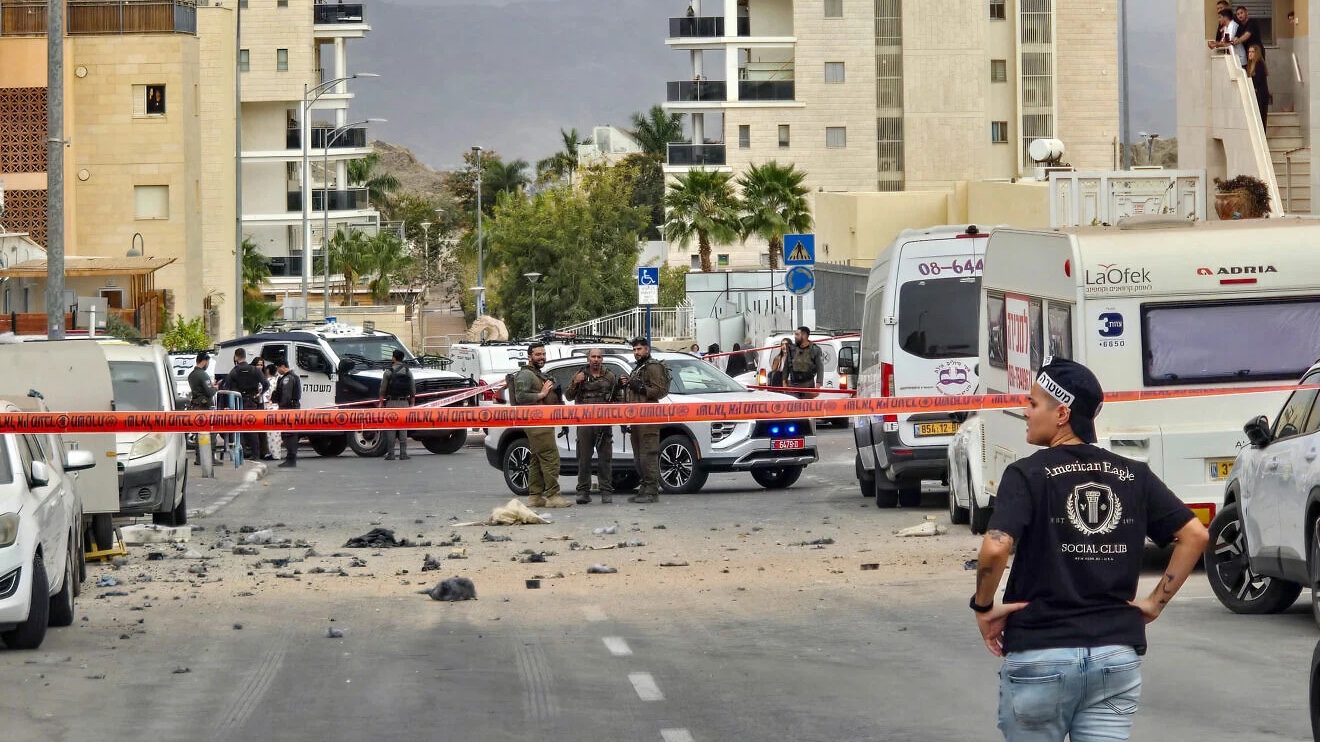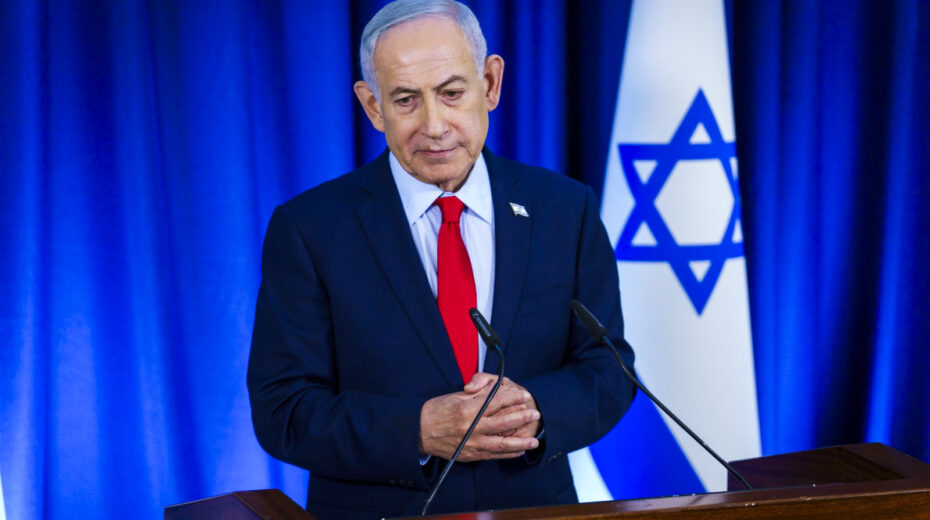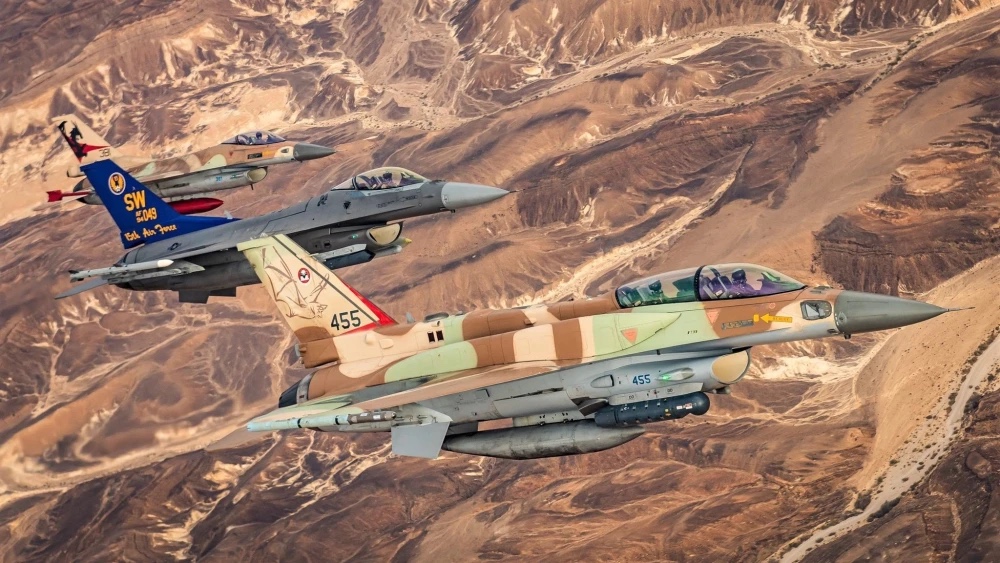

(JNS) Despite pummeling Iran, the leaders of the world’s two strongest air forces are fending off criticism from political opponents amid a two-week ceasefire. Results on the battlefield appear to be taking a backseat to political machinations.
The analysis of wars is changing in the 24-hour media and social-media cycle. Tweets and press briefings can be more powerful weapons than missiles. How a particular post lands and reverberates can have just as powerful an influence on a war’s outcome.
Not so long ago, world leaders were not bombing via social media. This is particularly true of terror sponsors and their proxies. Public statements affect military posture. Wars—and, more importantly, the perception of wars—are judged mercilessly, minute-to-minute, by commentators without military experience and with limited understanding of how diplomacy actually works.
Pundits can claim that Iran and its terror proxies have won a war, and millions around the world can buy into a warped narrative, even when not grounded in reality.
Immense war gains
Even if the military operation ends with the current...
Become a Member
-
Read all member content
Get exclusive in-depth reports from Israel.
-
Get exclusive in-depth reports from Israel
Connect with Israel, right from your home.
-
Lift up the voice of truth and hope
Support Jerusalem-based Zionist journalism.

Already a member? Login here.