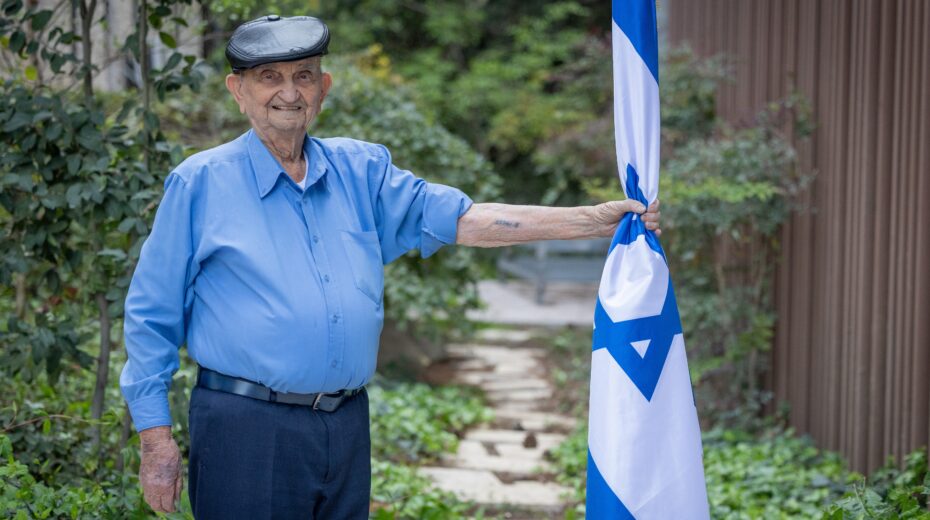

According to Israeli authorities, around 111,000 survivors currently live in the country. In the past year alone, roughly 12,000 of them have died. Worldwide, only about 196,000 Holocaust survivors remain, spread across more than 90 countries. About half of them live in Israel.
The numbers
Israel’s Central Bureau of Statistics reported that the global Jewish population stood at around 15.8 million at the beginning of 2025. Of that number, about 7.2 million lived in Israel—roughly 45 percent of the total—and about 6.3 million in the United States.
In Israel, around 60.5 percent of Holocaust survivors originally came from Europe. Particularly large numbers came from the former Soviet Union, Romania, and Poland. At the same time, there are also sizeable groups of survivors from countries such as Morocco, Iraq, Tunisia, Libya, and Algeria.
In terms of immigration, about six percent of survivors arrived in the country before the establishment of the state in 1948. Around 30 percent immigrated in the years immediately following independence, and a similar share arrived between 1952 and 1989. About one-third of the survivors living in Israel today came only from the 1990s onward, mainly from the former Soviet Union.
The overwhelming majority of survivors now live in cities: about 95 percent reside in urban areas. Around 42 percent are concentrated in larger cities such as Jerusalem, Tel Aviv–Jaffa, Haifa, Ashdod, Netanya, Petah Tikva, Beersheva, and Rishon LeZion.
A very old and vulnerable generation
The remaining survivors are now of very advanced age. The average age is around 87 to 88, many are over 90, and some are even over 100 years old.
A large portion of them were still children during the Holocaust. Around 96 percent belong to the so-called “child survivors,” meaning they experienced persecution as minors.
The social situation for many survivors is also difficult. Estimates suggest that about one-third live in poverty, and around 20 percent struggle to pay for basic needs such as food or medical care.
In addition, many live alone and depend on assistance. Government programs and aid organizations are trying to ensure that care is provided—but the challenges grow as this population ages.
The hardship among Holocaust survivors
Data released Monday morning by the emotional support organization ERAN and the Foundation for the Welfare of Holocaust Victims point to a sharp rise in psychological distress among Holocaust survivors living in Israel since the start of the “Iron Swords” war in October 2023.
According to the data, ERAN received more than 11,600 calls, about one-third of them during Operation “Rising Lion.”
In addition, around 50 Holocaust survivors were injured in their homes during the campaign against Iran, while many others continue to struggle with constant fear during siren alerts due to the lack of adequate protected spaces.
At the same time, 36 percent of survivors need assistance purchasing basic food items, and 27 percent have had to forgo meals because of financial hardship or limited mobility.
The data further show that more than 70,000 survivors (65 percent) live alone, and most of them (75 percent) are classified as in need of care, with reports of severe loneliness and helplessness in emergency situations.
Want more news from Israel?
Click Here to sign up for our FREE daily email updates