
The United Arab Emirates appeared to bear the brunt of Iranian attacks during the recent war, being targeted even more times than Israel by the Islamic Revolutionary Guard Corps. But Israel, along with American forces, was there to help defend its new Arab ally.
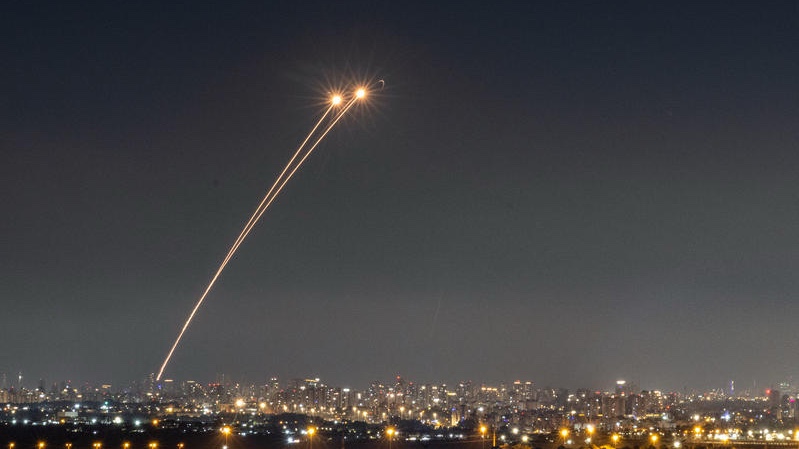
Israel deployed an Iron Dome air-defense battery to the UAE during Operation Roaring Lion, marking a significant new phase in the security relationship between Jerusalem and Abu Dhabi.
According to a senior Israeli official cited by Axios, it was the first time Israel had sent an Iron Dome system to another country. The deployment reportedly included Israeli personnel accompanying the battery.
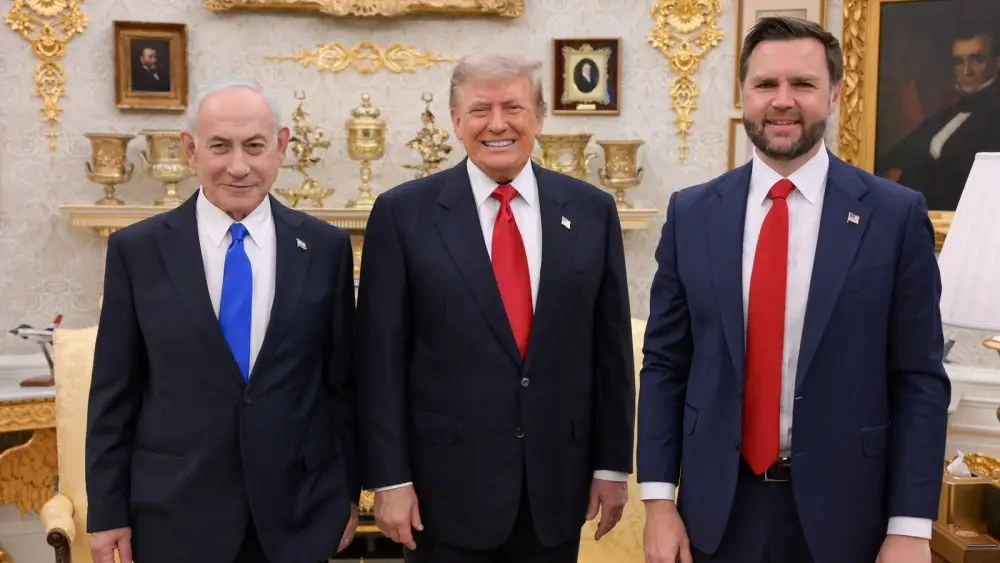
The decision was made by Prime Minister Benjamin Netanyahu following a phone conversation with UAE President Sheikh Mohammed bin Zayed Al Nahyan, Israeli officials said.
The move reflects a reality that has been developing quietly since the Abraham Accords: Israel and several moderate Arab states are no longer merely diplomatic partners. They are increasingly aligned by a shared strategic concern — the Iranian regime and its regional ambitions.
During the conflict, Iran fired more than 550 ballistic and cruise missiles and over 2,200 drones at the UAE, according to the Emirati Ministry of Defense. That volume reportedly exceeded the number of Iranian projectiles launched at any other Gulf state.
The International Institute for Strategic Studies said the UAE absorbed more Iranian fire than all other Gulf Cooperation Council states combined, sustaining the most extensive and varied damage in the group.
The targeting was not accidental. The UAE is a major financial, energy and shipping hub. By striking Emirati infrastructure, Iran sought to pressure the United States and its allies through disruption of global commerce, energy flows and regional stability.
Most of the incoming threats were intercepted, but several projectiles penetrated air defenses. Reported targets included Dubai International Airport, the International Financial Center, an oil hub, an aluminum facility, commercial buildings and the Burj Al Arab luxury hotel.
For the UAE, the Iranian bombardment appears to have clarified the nature of its alliances.
Tareq al-Otaiba, a former official at the UAE National Security Council, wrote that the United States and Israel had proved to be true allies through military assistance, intelligence sharing and diplomatic support.
Another Emirati official described the episode as “a real eye-opening moment,” adding: “To see who our real friends are.”
That sentence may prove to be the strategic headline.
For years, critics dismissed Arab-Israeli normalization as shallow, transactional or merely ceremonial. But missile fire has a way of clarifying diplomacy. Under Iranian attack, the UAE did not turn to slogans. It turned to Israel.
And Israel responded.
The deployment of Iron Dome to Emirati territory signals that the emerging regional order is no longer theoretical. It is being built in real time, under pressure, and against a common adversary.
The old Middle East was organized around hostility to Israel.
The new one is increasingly organized around the recognition that Israel is not the problem. Iran is.
Want more news from Israel?
Click Here to sign up for our FREE daily email updates